Sydney Travel Tips
Discover Sydney: Your Ultimate Destination Guide

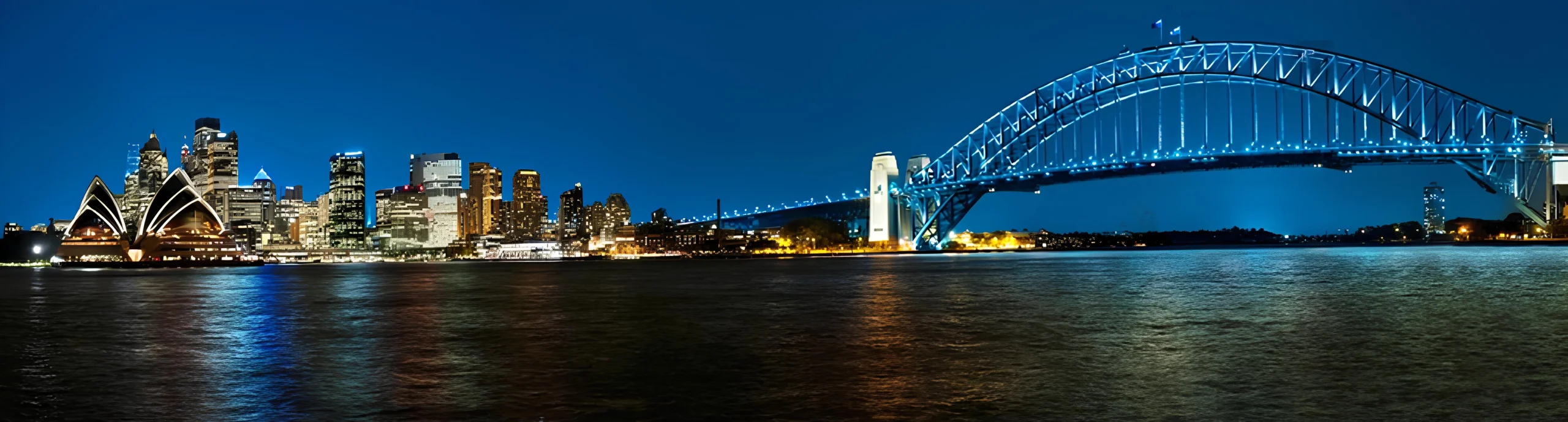
Sydney, Australia’s vibrant and iconic metropolis, stands out as a premier travel destination that seamlessly blends natural beauty with urban sophistication. Known worldwide for its stunning harbor, striking architecture, and lively cultural scene, Sydney offers visitors a unique blend of experiences that cater to all interests. Whether you’re drawn to its world-renowned landmarks, pristine beaches, or diverse culinary delights, this city promises unforgettable adventures at every turn.
What makes Sydney truly special is its ability to balance outdoor exploration with cosmopolitan living. From relaxing on sun-kissed beaches to discovering hidden laneways filled with art and history, travelers are encouraged to immerse themselves fully in its dynamic environment. This guide aims to provide practical insights, ensuring your visit is smooth and memorable. Expect detailed tips on transportation, best times to visit, local customs, and insider advice that will help you navigate Sydney with confidence and ease. Prepare to explore a city that invites curiosity and promises endless discovery.
Best Time to Visit Sydney: Practical Insights for Travelers
Understanding Sydney’s Climate and Seasons
Sydney experiences a temperate climate, with warm summers and mild winters. The summer months, from December to February, are characterized by temperatures ranging from 18°C to 26°C (64°F to 79°F), making it ideal for outdoor activities and beach visits. Conversely, winter, from June to August, sees temperatures between 8°C and 17°C (46°F to 63°F), which can be quite pleasant for sightseeing without the crowds.
Peak Tourist Seasons and Their Advantages
The most popular time to visit Sydney is during the summer months and the Australian school holidays, especially around Christmas and New Year. During this period, the city buzzes with events, festivals, and vibrant nightlife. Visitors can enjoy iconic attractions like Bondi Beach, the Sydney Harbour Bridge, and the Opera House at their liveliest. However, this also means higher prices and larger crowds, so planning and booking accommodations well in advance is advisable.
Off-Peak Travel: Benefits and Considerations
Traveling during the shoulder seasons—spring (September to November) and autumn (March to May)—offers a different experience. These months generally feature milder weather, fewer tourists, and lower prices. You can explore attractions comfortably, enjoy outdoor festivals, and have a more relaxed experience. Additionally, the city’s parks and gardens burst into color during spring, providing excellent opportunities for photography and leisure.
Summary of Pros and Cons
| Time Period | Pros | Cons |
|---|---|---|
| Summer (Dec-Feb) |
|
|
| Spring (Sep-Nov) & Autumn (Mar-May) |
|
|
| Winter (Jun-Aug) |
|
|
Ultimately, the best time to visit Sydney depends on your preferences. If you seek lively events and beach days, summer is ideal. For a quieter, more affordable experience with pleasant weather, consider spring or autumn. Planning ahead and understanding these factors will help you align your trip with your interests and budget, making your Sydney visit more enjoyable.
Getting to Sydney: Practical Travel Information
Arriving in Sydney is straightforward thanks to its well-developed transportation network. Whether you’re flying in from abroad or traveling domestically, understanding your options will help streamline your journey and ensure a smooth start to your adventure. Sydney’s strategic location and infrastructure make it accessible for all travelers, from solo explorers to families.
Flights to Sydney
The most common way to reach Sydney from international destinations is by air. Sydney Airport (Kingsford Smith Airport) is Australia’s busiest airport, located approximately 8 kilometers from the city center. Major airlines operate direct flights from hubs such as Los Angeles, London, Dubai, and various Asia-Pacific cities. When booking, consider arriving early, especially during peak seasons, to avoid last-minute stress. Additionally, checking for airlines offering flexible tickets or travel insurance can be beneficial given the unpredictable nature of international travel.
Train and Bus Options
For travelers within Australia or nearby regions, trains and buses provide economical and convenient options. The Sydney Trains network connects the airport with the city center and suburbs efficiently. Buses serve various routes, especially for destinations not covered by train lines. If arriving from regional areas, coach services like Greyhound or Firefly operate regular routes into Sydney, often offering scenic views along the way.
Car Rentals and Driving Tips
Driving offers flexibility for exploring surrounding regions or if you prefer a private vehicle. Major car rental companies are available at the airport and throughout the city. Remember that driving is on the left side, and parking can be limited and costly in central areas. Be aware of local traffic regulations and plan your routes ahead to avoid congestion during peak hours.
Travel Tips and Important Information
- Always carry your identification and travel documents, especially for international flights.
- Check visa requirements before traveling to Australia; most visitors need an Electronic Travel Authority (ETA).
- Public transportation is reliable and cost-effective, so consider purchasing an Opal card for seamless travel across buses, trains, and ferries.
- Plan your arrival considering Sydney’s busy peak hours, typically 7-9 am and 4-6 pm.
- Weather can vary; pack accordingly, especially if traveling during summer or winter months.
Understanding these practical transportation options and tips can help make your journey to Sydney efficient and stress-free, allowing you to enjoy this vibrant city from the moment you arrive.
Practical Information for Travel to Bali: Your Ultimate Guide
Traveling to Bali offers an unforgettable experience filled with vibrant culture, stunning landscapes, and warm hospitality. To ensure your journey is smooth and enjoyable, it’s essential to prepare with practical information tailored for travelers seeking a seamless visit. This guide provides detailed insights into transportation, accommodation, local customs, safety tips, and more—focusing on practical aspects that enhance your travel experience.
Getting to Bali: Transportation Options and Tips
International Arrival: Navigating Ngurah Rai International Airport
Most travelers arrive at Ngurah Rai International Airport, located near Denpasar. Upon arrival, you can choose from several transportation options:
- Taxis: Official airport taxis are reliable and operate on a fixed fare system. Always confirm the fare before starting your journey.
- Ride-Sharing Services: Apps like Grab are widely available and often more affordable than traditional taxis.
- Private Transfers: Pre-booked private cars provide convenience, especially if arriving late or with heavy luggage.
To avoid confusion, always use authorized transportation providers and keep your belongings secure during transit.
Getting Around Bali: Local Transport Tips
Bali’s diverse terrain requires flexible transportation options:
- Renting a Scooter: An economical choice for short distances, but requires caution and a valid license.
- Car Rentals: Ideal for exploring remote areas. Consider hiring a driver for a stress-free experience.
- Public Buses: Limited but inexpensive; best suited for budget travelers comfortable with local transit.
Planning your routes in advance makes traveling between destinations easier. Always prioritize safety, especially when riding scooters or driving.
Accommodation: Finding Practical and Comfortable Lodging
Choosing the Right Stay for Your Needs
From luxury resorts to budget hostels, Bali offers a wide range of accommodations. Consider these factors:
- Location: Decide whether you want to stay near beaches, cultural sites, or bustling towns.
- Facilities: Look for amenities such as free Wi-Fi, breakfast options, and swimming pools.
- Price Range: Set a budget and compare options accordingly. Booking in advance often secures better rates.
For practical purposes, choosing accommodations with easy access to transportation hubs can save time and money during your trip.
Practical Tips for Booking Accommodation
- Use reputable booking platforms with verified reviews.
- Check cancellation policies in case your plans change.
- Communicate special requests beforehand, such as airport transfers or dietary needs.
Understanding Local Customs and Practical Etiquette
Respecting Cultural Norms
Balinese culture is deeply rooted in tradition. Practical tips include:
- Dress modestly: Cover shoulders and knees when visiting temples or religious sites.
- Remove shoes: Always take off footwear before entering homes and temples.
- Use polite gestures: A gentle bow or hands together in greeting shows respect.
Being mindful of these customs not only enriches your experience but also fosters positive interactions with locals.
Language and Communication
While English is commonly spoken in tourist areas, learning a few basic phrases in Balinese or Indonesian can be practical and appreciated:
- Greetings: “Selamat pagi” (Good morning)
- Thank you: “Terima kasih”
- Excuse me: “Permisi”
Having a translation app or phrasebook can help navigate local conversations smoothly.
Safety and Health: Practical Precautions for Travelers
Health Tips and Medical Facilities
Stay healthy during your trip by following these practical guidelines:
- Drink bottled or filtered water to avoid stomach issues.
- Carry a basic first aid kit for minor injuries or ailments.
- Ensure your vaccinations are up to date before traveling.
In case of medical emergencies, there are reputable clinics and hospitals in major tourist areas. Always keep emergency contact numbers handy.
Safety Tips for a Smooth Trip
- Keep valuables secure and avoid flashing expensive items.
- Be cautious when riding scooters—wear helmets and follow traffic rules.
- Stay aware of your surroundings, especially at night or in unfamiliar areas.
Practicing common sense and staying vigilant will help you enjoy Bali safely and comfortably.
Practical Money Management
Currency and Payment Methods
The local currency is the Indonesian Rupiah (IDR). Practical tips include:
- Carry some cash for small purchases and tips.
- ATMs are widely available in tourist areas.
- Credit cards are accepted in many hotels, restaurants, and shops.
To avoid unnecessary fees, inform your bank of your travel plans and use ATMs in secure locations.
Budgeting Tips for Travelers
- Plan your daily expenses to avoid overspending.
- Opt for local eateries for authentic and affordable meals.
- Use public transportation or rent a scooter for economical travel.
Practical Infographic: Bali Travel Essentials

Conclusion: Making Your Bali Trip Practical and Memorable
Focusing on these practical aspects can enhance your Bali experience by making it more enjoyable and stress-free. Planning transportation, accommodation, and understanding local customs in advance allows you to maximize your time and avoid unnecessary hassles. Being well-prepared ensures that your trip is smooth and memorable, letting you fully embrace Bali’s vibrant culture and natural beauty. A thoughtful approach to logistics and local etiquette can turn a good trip into a truly exceptional one, leaving you with unforgettable memories of your time on this enchanting island.