Agra Heritage Tourism Guide
Discover the Timeless Charm of Agra: A Gateway to India’s Rich Heritage
Explore Agra: India’s City of Wonders and Heritage
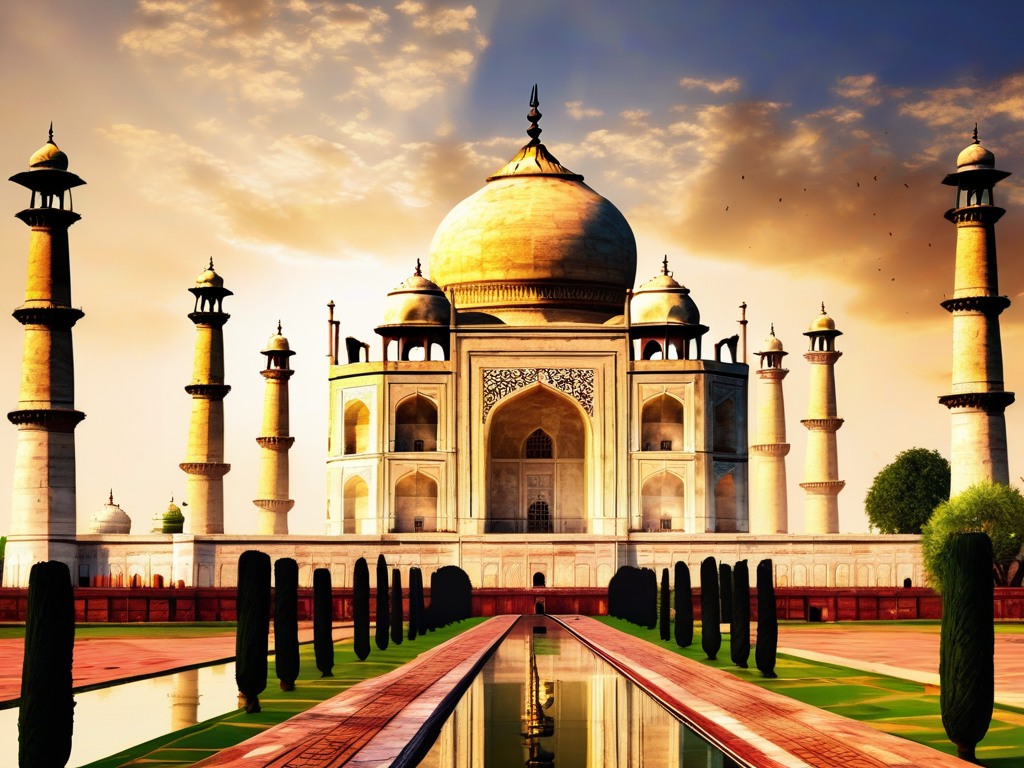
Nestled along the banks of the Yamuna River, Agra stands as a testament to India’s glorious past and vibrant culture. Renowned worldwide for its iconic monuments and historical significance, this city offers travelers a unique blend of architectural marvels, bustling markets, and warm hospitality. Agra’s allure extends beyond its famous Taj Mahal; it embodies centuries of Mughal grandeur, intricate craftsmanship, and spiritual richness. Whether you are a history enthusiast, an architecture lover, or a curious traveler seeking authentic experiences, Agra promises an unforgettable journey. Its strategic location makes it an accessible destination for those exploring North India, offering a perfect mix of cultural depth and practical travel insights.
In this article, you can expect a comprehensive guide to navigating Agra’s must-visit sites, practical tips for travel planning, and insights into local cuisine and accommodations. Prepare to uncover lesser-known gems, learn about the city’s vibrant traditions, and discover how to make the most of your visit to this enchanting destination.
From airport lounges to hotel rooms, Prime Video keeps you entertained – try free now!
Best Time to Visit Agra
Understanding the Climate and Weather
Agra experiences a semi-arid climate, characterized by hot summers, mild winters, and a monsoon season. The most comfortable months are from October to March, when temperatures range between 8°C to 25°C. During this period, visitors can explore the city comfortably without the intense heat or heavy rainfall. Conversely, summers from April to June can be extremely hot, with temperatures soaring above 40°C, making daytime sightseeing challenging. The monsoon season, from July to September, brings moderate to heavy rainfall, which can disrupt travel plans but also offers a lush, green backdrop for the city’s historic sites.
Peak Tourist Seasons
The best time to visit Agra is during the winter months, especially from November to February. This period coincides with the holiday season, festivals, and favorable weather, which attracts the highest number of tourists. Visiting during these months allows you to experience the Taj Mahal and other attractions in pleasant weather, but it also means higher prices and crowded sites. To avoid the crowds, consider visiting early in the morning or late in the afternoon.
Benefits of Visiting During the Off-Peak
Traveling during the shoulder months of October and March can be advantageous. During these months, the weather remains quite comfortable, but the tourist crowds are significantly fewer. This allows for a more relaxed experience, better opportunities for photography, and easier access to popular sites. Additionally, off-peak travel often results in lower accommodation prices and better deals on guided tours.
Practical Tips for Choosing the Right Time
- Plan for winter (October to March) for optimal weather and sightseeing comfort.
- Avoid peak summer months if you are sensitive to heat or prefer a more relaxed experience.
- Consider off-peak months for budget-friendly travel and fewer crowds.
- Check local festival calendars, such as Diwali and Holi, which can enhance your cultural experience but may also lead to crowded conditions.
Summary of Pros and Cons
| Time Period | Pros | Cons |
|---|---|---|
| October to March |
|
|
| April to June |
|
|
| July to September |
|
|
Ultimately, the best time to visit Agra depends on your weather preferences, budget, and comfort with crowds. Planning ahead and considering these factors can help ensure a memorable and comfortable trip to this historic city.
Getting to Agra: Practical Travel Information
Agra, home to the iconic Taj Mahal, is a must-visit destination for travelers exploring India. Reaching Agra is straightforward, thanks to its well-connected transportation network. Whether you prefer flying, train travel, or road trips, understanding your options will facilitate a smooth journey. Below, we explore the most practical ways to reach this historic city, along with essential tips to enhance your travel experience.
Flying to Agra
The fastest way to reach Agra from international destinations is by air. The city is served by Agra Airport (Kheria Airport), located approximately 13 kilometers from the city center. However, international flights are limited, and most travelers arriving from abroad prefer to fly into major hubs like Delhi or Jaipur and then transfer to Agra. From Delhi, you can take a domestic flight directly to Agra, which takes about 1 hour.
Train Travel to Agra
One of the most popular and efficient ways to reach Agra is via train. The city’s railway station, Agra Cantt, is well-connected to major Indian cities. Trains from Delhi, Jaipur, and Mathura run frequently, offering convenient schedules and comfortable options. Booking tickets in advance is recommended, especially during peak tourist seasons. The train journey from Delhi takes approximately 2-3 hours, making it an accessible and scenic option for travelers.
Bus Services to Agra
For budget-conscious travelers, buses provide an affordable alternative. State-run and private bus operators connect Agra with Delhi, Jaipur, and other nearby cities. Buses run regularly from major bus terminals and offer both luxury and standard options. The journey from Delhi by bus typically lasts around 4-5 hours, depending on traffic and the route taken. Buses are a practical choice for short-notice trips or for travelers already exploring nearby regions.
Travel by Car
Driving to Agra offers flexibility and convenience, especially if you plan to explore the surrounding areas. Major highways, such as the Yamuna Expressway, connect Delhi directly to Agra, reducing travel time to approximately 3 hours. Renting a car allows for a comfortable, private journey, and you can stop at attractions along the way. Keep in mind that driving in India requires familiarity with local traffic rules and conditions.
Useful Travel Tips and Important Information
- Always check train and flight schedules in advance, especially during peak tourist seasons or festivals.
- Book your tickets early to secure the best prices and availability.
- If traveling from Delhi, consider taking the high-speed Yamuna Expressway for a quicker drive.
- Be mindful of local traffic conditions and plan your journey accordingly to avoid delays.
- Carry valid identification and travel documents, especially when booking tickets or passing through security checks.
Overall, choosing the right transportation method depends on your budget, schedule, and travel preferences. With these options and tips, reaching Agra will be a seamless part of your Indian adventure.
Practical Information for Travel to the Destination
Getting There: Transportation Options and Tips
When planning your trip, understanding the various transportation options is essential for a smooth journey. Depending on your starting point, you can choose among flights, trains, buses, or even driving. Major airports serve the destination, often offering direct flights from international hubs. For those already within the country, train services provide a comfortable and scenic alternative, especially during peak seasons. Buses are typically economical and reach most areas, including remote towns. If you prefer flexibility, renting a car is highly recommended, giving you the freedom to explore at your own pace.
Tip: Always check transportation schedules in advance, especially during holidays or peak travel periods. Booking tickets early can also save you money and guarantee availability.
Accommodation: Finding the Perfect Stay
The destination offers a diverse range of accommodations to suit all budgets and preferences. From luxury hotels with top-tier amenities to cozy guesthouses and hostels, options abound. For a more authentic experience, consider staying in locally-run inns or boutique hotels, which often provide personalized service and insider tips.
When selecting your stay, consider proximity to main attractions, public transportation, and dining options. Reading recent reviews can help ensure quality and safety. Additionally, booking well in advance during busy seasons guarantees better rates and availability.
Local Currency and Payment Methods
Understanding the local currency is crucial for seamless transactions. While credit and debit cards are widely accepted in urban areas, some remote locations might rely more on cash. It’s advisable to carry a small amount of local currency for small purchases, tips, or places that do not accept cards.
Tip: Use ATMs located in secure, well-lit areas to withdraw cash. Notify your bank before traveling to prevent card blocks due to foreign transactions.
Language and Communication
While the official language is commonly spoken in tourist areas, learning a few basic phrases can greatly enhance your experience. Simple greetings, thank you, and asking for directions often go a long way in establishing rapport with locals. Additionally, carrying a translation app or phrasebook can be beneficial, especially in rural or less-touristed regions.
Pro tip: Many establishments now accept mobile payments, and some locals may speak basic English, which makes communication easier.
Health and Safety Precautions
Prior to travel, ensure your vaccinations are up to date, and carry any necessary medications. It’s also wise to check if your destination requires health insurance coverage or specific travel insurance policies. Drinking bottled water and eating at reputable establishments reduce the risk of illness.
Safety-wise, stay vigilant in crowded areas to prevent pickpocketing. Familiarize yourself with local emergency numbers and the location of nearby medical facilities. Carry a copy of your passport and important documents, stored separately from originals.
Local Customs and Etiquette
Respect for local customs enhances your travel experience. Dress modestly when visiting religious sites, and always ask permission before taking photographs of people. Tipping practices vary; in some places, rounding up the bill or leaving small change is customary, while in others, tipping is not expected.
Engaging with locals politely and showing genuine interest in their culture fosters positive interactions and enriches your trip.
Best Times to Visit and Seasonal Tips
| Season | Advantages | Considerations |
|---|---|---|
| Spring | Beautiful blooms, mild weather, fewer crowds | Variable weather, pack layers |
| Summer | Ideal for outdoor activities, festivals | Peak tourist season, higher prices |
| Autumn | Colorful landscapes, pleasant temperatures | Shorter days, some attractions may close early |
| Winter | Fewer tourists, unique seasonal events | Colder weather, possible travel disruptions |
Planning your visit during the shoulder seasons often provides a good balance of weather and manageable crowds. Always check local event calendars for festivals or special occasions that might impact your stay.
Additional Practical Tips for a Smooth Trip
- Carry multiple forms of payment to avoid inconveniences.
- Download offline maps and translation apps for areas with limited internet access.
- Stay connected with local emergency services and embassy contact information.
- Respect environmental guidelines, such as waste disposal and conservation efforts.
- Prepare a packing list tailored to the climate and planned activities.
With thoughtful preparation and awareness of these practical tips, your trip to Agra can be enjoyable, hassle-free, and truly memorable. Being well-informed helps you make the most of your visit to this remarkable city and its rich cultural heritage.