Rome Travel Guide: Tips for Visiting the Eternal City
Discover the Eternal City: Your Ultimate Guide to Rome
Explore Rome: A Timeless Destination Full of Wonders

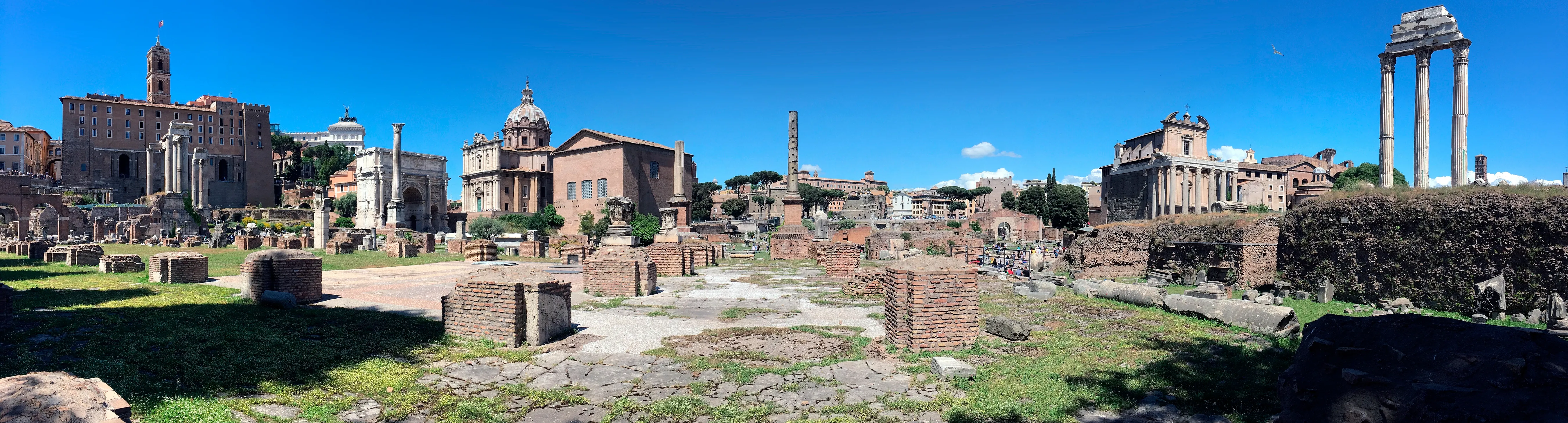
Rome stands as a captivating blend of history, culture, and modern vibrancy. Known worldwide as the birthplace of Western civilization, this iconic city offers an unparalleled journey through time. From awe-inspiring ancient ruins to lively piazzas, Rome’s streets echo stories of emperors, artists, and philosophers. Its unique charm lies in the seamless coexistence of antiquity and contemporary life, creating an atmosphere that’s both nostalgic and invigorating.
For travelers, Rome provides a wealth of practical insights—whether navigating its bustling transportation systems, discovering authentic local cuisine, or exploring hidden gems beyond the usual tourist spots. This guide aims to equip you with essential information to make your visit smooth and memorable. Expect detailed tips on planning your itinerary, understanding cultural nuances, and experiencing the city like a true Roman. Embark on this journey to uncover the magic of Rome, where every corner promises a new story waiting to be explored.
Best Time to Visit Rome
Understanding the Climate and Seasons
Rome experiences a Mediterranean climate, characterized by hot, dry summers and mild, wet winters. The most pleasant weather typically occurs from April to June and September to October. During these months, temperatures range between 15°C to 25°C (59°F to 77°F), making outdoor exploration comfortable. Conversely, July and August see peak summer heat, with temperatures often exceeding 30°C (86°F), which can be quite intense for sightseeing. Winters, especially from December to February, tend to be cooler, averaging around 5°C to 12°C (41°F to 54°F), with occasional rain and rare snowfall.
Peak Tourist Seasons
The busiest times in Rome are during June to August and the Christmas holiday period. These months draw large crowds, especially at iconic sites like the Colosseum and Vatican Museums. While the lively atmosphere can be exciting, expect longer lines, higher prices for accommodations, and crowded attractions. If you prefer a more relaxed experience, consider visiting during the shoulder seasons.
Benefits of Visiting During Off-Peak Times
- Lower prices on hotels and flights
- Fewer crowds at major attractions
- More personalized service from local guides and restaurants
- Better weather in spring and early fall for outdoor activities
However, some attractions may have reduced hours or be closed during the off-peak winter months. Always check ahead before planning your visit.
Summary of Pros and Cons
| Timing | Pros | Cons |
|---|---|---|
| Spring (April – June) |
|
Some popular dates may still be busy, especially around Easter |
| Early Fall (September – October) |
|
Hotel prices may rise slightly post-summer |
| Summer (July – August) |
|
High temperatures and crowds |
| Winter (December – February) |
|
Cool weather and shorter days |
In summary, the best time to visit Rome depends on your preferences. For comfortable weather and manageable crowds, aim for spring or early fall. If budget considerations are important, winter offers great deals, though with cooler weather. Planning around these factors can help tailor your trip to your travel style and ensure a more enjoyable experience.
Getting to Rome: Practical Travel Information
Rome, the eternal city, is a major hub for travelers worldwide. Whether arriving from within Italy or from abroad, understanding your transportation options is essential for a smooth journey. From international flights to local transit, knowing the best ways to reach Rome can save you time, money, and stress. This guide provides practical insights into how to get to Rome, highlighting various transportation methods and useful travel tips to enhance your experience.
Flights to Rome
The most convenient way for international travelers to reach Rome is by air. Rome is served by two major airports:
- Leonardo da Vinci International Airport (Fiumicino): The largest and busiest airport, located about 32 kilometers from the city center. It handles numerous international flights daily, offering direct connections to major cities worldwide.
- Ciampino Airport: Primarily used by low-cost carriers, situated approximately 15 kilometers from central Rome. It is ideal for budget travelers and short-haul flights.
When booking your flight, consider arriving early, especially during peak seasons. Many airlines offer direct flights, which significantly reduce travel time. Once you land, various transportation options, including trains, buses, and taxis, are readily available to take you into the city.
Trains and Buses
For travelers already within Italy or nearby countries, trains are a comfortable and efficient option. Rome’s main train station, Termini Station, connects to major Italian cities like Florence, Venice, and Milan, as well as international destinations. High-speed trains such as Frecciarossa and Italo offer quick, reliable service with frequent departures.
Buses also serve as an affordable alternative, especially for regional travel. Several companies operate routes into Rome from surrounding areas and neighboring countries, providing flexible schedules and budget-friendly fares.
Car Rentals and Practical Tips
If you prefer flexibility, renting a car is a good option, especially for exploring beyond the city. Rome has numerous car rental agencies located at airports and city centers. Keep in mind that driving in Rome can be challenging due to narrow streets, limited parking, and ZTL zones (restricted traffic areas). Always verify parking options beforehand and plan your routes carefully.
Travel Tips for Getting to Rome:
- Book flights early during peak seasons to secure the best prices.
- Consider train travel if you are already in Italy or nearby countries for a scenic and efficient journey.
- When using public transport, always validate your tickets to avoid fines.
- Use official taxi services or ride-sharing apps for safe and reliable transfers from airports.
Overall, choosing the right transportation method depends on your starting point, budget, and travel preferences. Planning ahead ensures your journey to Rome is smooth and enjoyable, setting a positive tone for your stay in the city.
Practical Information for Travel to Kyoto: Your Comprehensive Guide
Planning a trip to Kyoto can be an exciting experience, but it requires careful preparation to ensure smooth travel. This guide offers practical insights to help you navigate Kyoto efficiently, making your journey enjoyable and stress-free. From transportation tips to local customs, we cover everything you need to know for a seamless visit.
Getting to Kyoto: Transportation Options
By Air
Kyoto does not have its own airport. The nearest major airport is Kansai International Airport (KIX), located approximately 75 minutes away by train. Osaka’s Itami Airport (ITM) also services domestic flights and is about an hour from Kyoto via train. Once you arrive at either airport, various transportation options are available to reach Kyoto city center.
By Train
The Shinkansen, or bullet train, is the most efficient way to reach Kyoto from major cities like Tokyo, Osaka, and Nagoya. The Tokaido Shinkansen line connects Tokyo to Kyoto in roughly 2 hours and 30 minutes. For travelers coming from Osaka, a 15-minute ride on the JR Special Rapid Service is sufficient. Consider purchasing a Japan Rail Pass if you plan multiple train journeys, as it offers significant savings and flexibility.
By Bus and Car
- Long-distance buses connect Kyoto with neighboring cities and airports, often at a lower cost than trains.
- Driving is possible but not recommended within the city due to limited parking and traffic congestion. If you choose to rent a car, be aware that Japan drives on the left side, and parking fees can be high.
Local Transportation in Kyoto
Public Transit Options
Kyoto’s public transportation system is well-developed, making it easy to explore the city. The key options include:
- Bus network: Extensive routes cover most tourist sites, with a convenient one-day pass available.
- Subway lines: Serving central districts, the subway is fast and reliable for quick trips.
- Bike rentals: Many visitors opt for bicycles to enjoy a more intimate experience of the city’s neighborhoods.
Transportation Tips
To maximize your time, consider purchasing the Kyoto City Bus & Subway One-day Pass. It offers unlimited rides, saving both money and time. Also, familiarize yourself with the bus and subway maps, which are available in multiple languages at stations and online.
Accommodation Tips and Neighborhoods
Where to Stay
Kyoto offers diverse accommodation options, from traditional ryokans to modern hotels. When choosing your lodging, consider proximity to major transportation hubs and attractions. Popular neighborhoods include:
- Gion: Famous for its historic teahouses and geisha culture.
- Downtown Kyoto: Offers vibrant shopping, dining, and nightlife options.
- Arashiyama: Ideal for a tranquil retreat near natural sights.
Booking Tips
Reserve accommodations well in advance, especially during peak seasons like cherry blossom or autumn foliage periods. Look for options with easy access to public transportation to streamline your daily excursions.
Understanding Local Customs and Practical Tips
Respectful Travel Etiquette
Japanese culture emphasizes politeness and respect. When visiting temples and shrines, follow posted guidelines, such as cleansing hands at purification fountains and bowing respectfully. Remember to remove your shoes when entering traditional establishments or homes.
Language Tips
While many signs are bilingual, learning a few basic Japanese phrases can enhance your experience. Carry a translation app or phrasebook for assistance in ordering food, asking directions, or greeting locals.
Money Matters
Cash is still widely used in Kyoto, especially at small shops and temples. ATMs accepting international cards are available at post offices, convenience stores, and banks. It’s wise to carry some cash, particularly for purchases at local markets or rural areas.
Seasonal Considerations and Practical Advice
Best Times to Visit
| Season | Highlights | Practical Tips |
|---|---|---|
| Spring (March to May) | Cherry blossoms and mild weather | Book accommodations early; visit popular spots early in the morning |
| Autumn (October to November) | Autumn foliage and clear skies | Wear layers; carry water and comfortable shoes for walking |
| Winter (December to February) | Fewer crowds, occasional snow | Dress warmly; enjoy seasonal hot springs and hearty cuisine |
| Summer (June to August) | Hot and humid, festivals | Stay hydrated; plan indoor activities during peak heat hours |
Weather and Packing Suggestions
Check the forecast before packing. Lightweight clothing is suitable for summer, while layers and waterproof gear are necessary in winter and rainy seasons. Comfortable walking shoes are essential for exploring temples and markets.
Additional Practical Tips for a Successful Trip
- Download offline maps and translation apps to navigate easily.
- Plan your day around opening hours of temples and markets.
- Respect local customs, especially at religious sites.
- Stay connected with portable Wi-Fi devices or SIM cards.
- Carry a small backpack for daily essentials and souvenirs.
Understanding these practical aspects of travel to Kyoto can help you enjoy a smooth, enriching experience. Preparation, awareness, and respect for local customs will allow you to fully immerse yourself in the timeless beauty of this historic city.