Osaka Travel Guide: Culture, Attractions, Transportation Tips
Osaka Unveiled: A Vibrant Fusion of Tradition and Modernity
Discover the Dynamic Charm of Osaka: Japan’s Culinary and Cultural Hub

Nestled at the heart of Japan’s Kansai region, Osaka stands out as a city that seamlessly blends rich history with cutting-edge innovation. Known affectionately as Japan’s culinary capital, it boasts a vibrant food scene that promises unforgettable flavors and unique dining experiences. Beyond its gastronomic reputation, Osaka is celebrated for its welcoming atmosphere, lively neighborhoods, and impressive skyline. Whether you’re exploring traditional temples, bustling markets, or futuristic entertainment districts, the city offers a diverse tapestry of sights and sounds that captivate every traveler.
This article provides practical insights crucial for planning your visit, from navigating transport options to discovering local customs. Expect detailed tips on the best times to go, how to get around efficiently, and where to find authentic experiences. Whether you’re a first-time visitor or returning for a deeper dive, uncovering Osaka’s hidden gems and understanding its cultural nuances will enrich your journey. Prepare to explore a destination that invites curiosity and promises unforgettable adventures.
From blockbuster hits to indie gems, Prime Video has it all – try free for 30 days!
Best Time to Visit Osaka
Understanding the Climate and Weather Patterns
Osaka experiences a humid subtropical climate, characterized by hot summers and mild winters. The most comfortable weather for sightseeing generally occurs from spring to early summer and autumn. During these periods, temperatures range between 15°C and 25°C, making outdoor activities enjoyable. Summers, from June to August, can be hot and humid, with temperatures often exceeding 30°C, accompanied by a rainy season in June and July. Winters, between December and February, are relatively mild but can be chilly, especially in the evenings.
Peak Tourist Seasons
The city sees a surge in visitors during three main periods:
- Cherry Blossom Season (March to early April): The city’s parks burst into color, attracting many travelers eager to experience hanami (flower viewing).
- Golden Week (late April to early May): Japan’s busiest holiday period, when many locals travel, leading to crowded attractions and higher prices.
- Autumn Foliage (November): Vibrant fall colors draw tourists, especially to parks and gardens.
During these times, accommodations and transportation tend to be more expensive and crowded, but the lively and festive atmosphere enhances the experience.
Benefits of Visiting During Off-Peak Seasons
Visiting outside peak seasons offers several advantages:
- Lower Prices: Hotels and flights are more affordable, providing better value for travelers.
- Less Crowding: Popular attractions are less congested, allowing for a more relaxed experience.
- Unique Experiences: Visiting during quieter periods lets you enjoy local life without the tourist crowds.
However, keep in mind that some outdoor attractions may be less appealing during rainy or cold weather. Planning accordingly ensures a fulfilling trip regardless of the season.
Summary of Pros and Cons
| Season | Pros | Cons |
|---|---|---|
| Spring (March-April) | Beautiful cherry blossoms, pleasant weather, lively festivals | Crowds and higher prices during peak blossom season |
| Summer (June-August) | Long daylight hours, vibrant festivals like Tenjin Matsuri | Hot, humid, and rainy; higher accommodation costs |
| Autumn (November) | Stunning fall foliage, mild weather, fewer tourists | Shorter daylight hours, occasional rain |
| Winter (December-February) | Fewer tourists, clear skies, festive events | Chilly temperatures, some outdoor attractions less appealing |
In summary, the optimal time to visit Osaka depends on your preferences. Spring and autumn offer ideal weather and scenic beauty, but be prepared for crowds. Traveling during off-peak seasons provides a more relaxed experience and better deals, making it suitable for those seeking tranquility and value.
Getting to Osaka: Practical Travel Information
Osaka, Japan’s vibrant city known for its dynamic culture, delicious cuisine, and historical landmarks, is easily accessible from various parts of the world. Whether arriving internationally or traveling domestically within Japan, understanding your transportation options will ensure a smooth journey. Below, you’ll find detailed guidance on how to reach Osaka using different modes of transportation, along with practical travel tips to enhance your experience.
Flights to Osaka
The most common way for international travelers to reach Osaka is by air. Kansai International Airport (KIX) is the primary gateway, located approximately 40 kilometers southwest of the city center. It handles numerous international flights from Asia, North America, and Europe, making it a convenient entry point. Osaka’s secondary airport, Osaka Itami (ITM), mainly services domestic flights, including routes from Tokyo, Fukuoka, and Sapporo.
When booking flights, consider connecting through major hubs like Tokyo Narita or Haneda airports, which offer frequent flights to Osaka. Early booking often results in better fares, especially during peak travel seasons such as cherry blossom season or New Year holidays.
Trains and Rail Travel
Japan’s efficient rail network provides an excellent alternative for travelers within the country. The Shinkansen (bullet train) is a fast and comfortable option, connecting Osaka to Tokyo, Kyoto, Hiroshima, and other major cities. The Tokaido Shinkansen line links Tokyo and Osaka in approximately 2.5 to 3 hours, with frequent departures.
If you’re traveling from nearby regions, local trains and JR lines offer economical options. The Japan Rail Pass is highly recommended for international visitors planning multiple train journeys, providing unlimited travel on JR lines for a set period.
Bus and Long-Distance Coach Services
Long-distance buses are a budget-friendly alternative, especially for those coming from nearby cities or regions. Several companies operate overnight and daytime routes, with bus terminals conveniently located in major cities and near train stations. While slower than trains or flights, buses can be a cost-effective choice for flexible travel schedules.
Driving and Car Rentals
If you prefer the flexibility of driving, renting a car is a practical option, especially if you plan to explore areas outside Osaka, such as the Kansai region or rural towns. Major rental agencies operate at Kansai International Airport and within the city. However, be aware that Japan drives on the left, and parking in Osaka can be challenging and expensive.
When driving, ensure you have an International Driving Permit (IDP) and familiarize yourself with local traffic rules. Parking facilities are available but often limited in the city center, so plan your routes accordingly.
Travel Tips and Important Information
- Check visa requirements before traveling to Japan. Many nationalities can enter visa-free for short stays.
- Consider purchasing an IC card, such as Suica or Icoca, for seamless access to trains, buses, and subways in Osaka.
- Travel during off-peak hours to avoid crowds, especially on public transport and at airports.
- Keep a copy of your travel documents and flight itineraries handy for smooth check-ins and security checks.
Overall, Osaka is well-connected, and choosing the right transportation mode depends on your budget, schedule, and travel preferences. With these practical insights, your journey to Osaka will be as enjoyable and hassle-free as possible.
Essential Travel Products for Visiting Osaka
1. Suica or Icoca Travel Card
For seamless transportation across Osaka and neighboring cities, a rechargeable Suica or Icoca travel card is indispensable. These contactless cards allow visitors to easily access trains, subways, and buses without the hassle of purchasing individual tickets for each journey. The cards are compatible with various transit systems in the Kansai region, including JR lines, private railways, and buses, making travel highly convenient.
The Suica card, issued by JR East, is widely accepted in Osaka and offers the added benefit of being usable in other major cities like Tokyo and Sendai. The Icoca card, issued by Kansai Airport Transit, is specifically tailored for the Kansai area, which includes Osaka, Kyoto, and Kobe. Both cards can be topped up at stations, convenience stores, and ticket vending machines, providing flexibility for travelers on the go.
Additionally, these cards often come with small discounts on fare prices compared to single tickets, and they can be used for small purchases at participating stores, cafes, and vending machines. This multifunctionality makes them a practical investment for visitors seeking effortless navigation and minor shopping convenience throughout their stay.
Buy these cards at major train stations, airports, or online through official websites before your trip to ensure smooth entry into Osaka’s transit network.
2. Compact Power Bank
Traveling in Osaka involves a lot of exploring, often on foot or via public transportation, which can drain your smartphone’s battery quickly. A high-capacity, compact power bank becomes an essential companion, ensuring you stay connected for navigation, translation apps, or capturing memories without worry.
Look for a power bank with at least 10,000mAh capacity, which can comfortably charge your smartphone multiple times. Features like fast charging, multiple USB ports, and lightweight design enhance usability. For travelers, a power bank with a sleek, portable form factor fits easily into pockets or small bags, making it ideal for day trips around the city.
Brands like Anker and RAVPower are popular choices, known for reliability and durability. Consider models with LED indicators so you can monitor remaining charge easily. Many electronics stores and online platforms such as Amazon or local electronics retailers stock a wide selection of travel-friendly power banks.
Having a dependable power source ensures you won’t miss out on capturing Osaka’s vibrant sights, sharing your experiences on social media, or navigating with digital maps. It’s a small investment that significantly enhances your travel experience by keeping your devices powered throughout your adventure.
Find these must-have travel items on Amazon
Recommended Travel Guidebooks for Osaka
1. “Osaka Travel Guide” by Lonely Planet (Kindle Unlimited and Audible)
This comprehensive guide offers an in-depth look at Osaka’s top attractions, hidden gems, and local experiences. It features practical tips on navigating the city’s extensive transit system, recommended itineraries for different durations, and insights into local cuisine and culture. The book’s detailed maps and curated suggestions make it an ideal companion for first-time visitors seeking an authentic experience.
Available on Kindle Unlimited and Audible, this guide allows travelers to access information on the go. The narration on Audible provides a lively, engaging way to absorb tips while walking through bustling neighborhoods or planning your day. The book’s practical approach helps travelers maximize their time and discover Osaka’s unique personality beyond the typical tourist spots.
2. “The Ultimate Osaka Travel Guide” by Japan Travel Guides (Kindle Unlimited)
This guide emphasizes practical travel strategies, including how to avoid crowds, find the best local eateries, and navigate transportation efficiently. It features detailed sections on Osaka’s culinary scene, shopping districts, and cultural landmarks, making it perfect for travelers who want to immerse themselves fully in the city’s vibrant atmosphere.
Its clear, easy-to-understand layout helps visitors plan their trip with confidence. The Kindle Unlimited availability ensures that travelers can access the guide without additional costs, while the detailed descriptions aid in making informed decisions about what to see and do.
3. “Osaka: A Traveler’s Companion” by Japan Travel Publishing (Audible)
This audiobook offers a narrative-driven exploration of Osaka’s history, culture, and modern attractions. It’s particularly useful for travelers who enjoy learning about their destination through storytelling. The guide covers essential tips for navigating the city, etiquette, and local customs, helping visitors to travel respectfully and confidently.
The engaging narration makes it easy to listen while commuting or relaxing after a day of sightseeing. Its practical insights ensure travelers are well-prepared to experience Osaka’s unique blend of tradition and innovation, making it an enriching addition to any travel plan.
By combining these practical travel products and insightful guidebooks, visitors to Osaka can enjoy a smoother, more enriching journey. Whether navigating transit with a smart card, keeping devices charged with a power bank, or immersing themselves in the city’s story through expert guides, these tools empower travelers to explore Osaka confidently and comfortably.
Going abroad? Learn key phrases, find hidden spots, and read travel guides for free with Kindle Unlimited. Start your free trial today and explore with confidence!
Frequently Asked Questions About Osaka: Your Practical Travel Guide
What is the best time of year to visit Osaka?
Osaka experiences four distinct seasons, making it a versatile destination year-round. The most popular time to visit is during spring (March to May), when cherry blossoms bloom, creating picturesque scenery. Autumn (October to November) offers vibrant fall foliage, perfect for sightseeing and outdoor activities. Summer (June to August) is hot and humid but ideal for festivals and nightlife, while winter (December to February) is cooler but less crowded, with opportunities for hot springs and seasonal illuminations. When planning your trip, consider local festivals such as Tenjin Matsuri in July or the Osaka Castle Cherry Blossom Festival in April, which add cultural richness to your visit.
How can I get around Osaka efficiently?
Osaka boasts an extensive and user-friendly transportation network. The city’s subway system is the most practical way to navigate, connecting major districts like Namba, Umeda, and Tennoji. Purchase an ICOCA card, a rechargeable smart card that simplifies travel on trains, buses, and even some shops. Buses are available but less convenient for tourists unfamiliar with routes. Taxis are available but more expensive, so they are best for late-night travel or when carrying heavy luggage. For day trips outside Osaka, consider using the JR West train lines, including the Kansai Airport Express, which links the city to popular nearby destinations like Kyoto and Nara.
What are must-visit attractions in Osaka?
Osaka offers a diverse range of attractions suited for all interests. Top sights include:
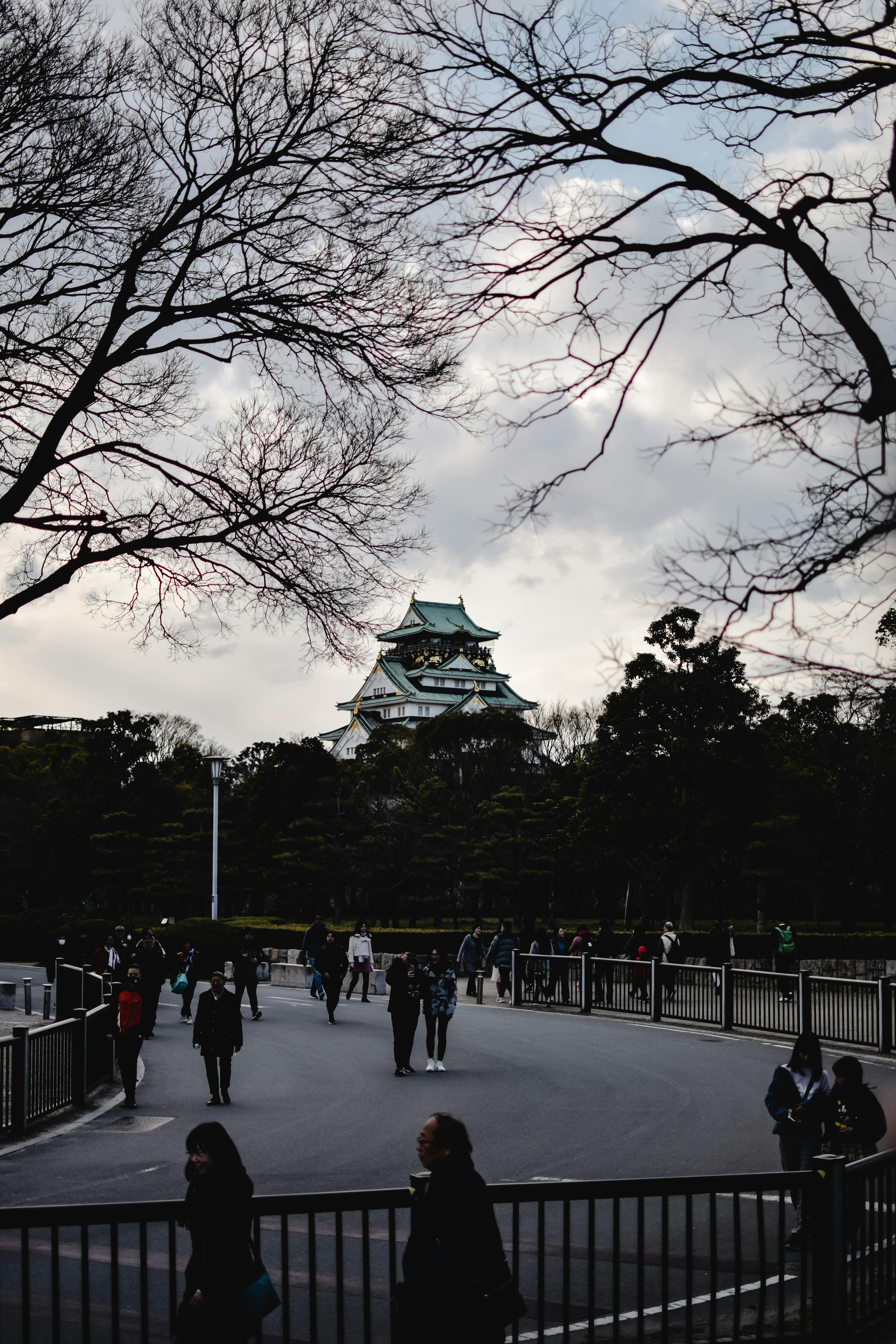
- Osaka Castle: A historic symbol with panoramic city views from its observation deck.
- Dotonbori: Famous for vibrant neon signs, street food, and entertainment.
- Universal Studios Japan: A world-class theme park perfect for families and thrill-seekers.
- Shitennoji Temple: One of Japan’s oldest temples, offering insight into traditional architecture and Buddhist culture.
- Sumiyoshi Taisha Shrine: An ancient shrine renowned for its distinctive style and tranquil grounds.
Exploring these sites provides a well-rounded experience of Osaka’s history, culture, and modern entertainment.
Are there any local customs or etiquette travelers should be aware of?
Yes, understanding local customs enhances your experience and shows respect to residents. Some key etiquette tips include:
- Quietness and politeness: Maintain a respectful tone in public spaces and on public transportation.
- Proper disposal of trash: Use designated bins, as littering is frowned upon, and recycling is common.
- Removing shoes: Take off your shoes when entering homes, traditional restaurants, and certain temples.
- Handling money: When paying, place cash in the tray rather than handing it directly to staff.
Practicing these customs will help you blend seamlessly into local life and foster positive interactions.
What should I try in Osaka’s food scene?
Osaka is renowned as Japan’s culinary capital, especially for street food and casual dining. Must-try dishes include:
- Takoyaki: Octopus-filled batter balls, crispy on the outside, tender inside, often topped with sauce and bonito flakes.
- Okonomiyaki: Savory pancake with various fillings like seafood, pork, and vegetables, cooked on a hot griddle.
- Kushikatsu: Deep-fried skewers of meat, vegetables, and seafood, served with a tangy dipping sauce.
- Yakiniku: Japanese-style barbecue, perfect for grilling your own meat at specialized restaurants.
For an authentic experience, visit local markets like Kuromon Ichiba Market, where you can sample fresh seafood and regional specialties. Pair your meals with local sake or craft beers for a complete culinary adventure.
What practical tips can help me make the most of my trip?
To ensure a smooth visit, consider these practical tips:
- Language: While English signage is common at major attractions, learning basic Japanese phrases or using translation apps can be very helpful.
- Cash vs. Card: Many small shops and restaurants prefer cash, so carry sufficient yen. Credit cards are widely accepted in hotels and larger establishments.
- Connectivity: Rent a portable Wi-Fi device or get a SIM card to stay connected and navigate easily.
- Accommodation: Book centrally located hotels or guesthouses in neighborhoods like Namba or Umeda for convenience.
- Respect local time zones and customs: Be punctual and courteous, especially when visiting religious sites or participating in local events.
Planning ahead and respecting local customs will help ensure your trip to Osaka is enjoyable, seamless, and memorable.
Explore Osaka with Confidence
Whether you’re visiting for its vibrant culture, historic sites, or culinary delights, Osaka welcomes travelers with open arms. With practical information in hand, you’ll navigate the city confidently and make the most of your journey. Enjoy your adventure in this dynamic metropolis!
Practical Information for Travel to the Destination
Getting There: Transportation Options and Tips
When planning your journey to this vibrant destination, understanding your transportation options is essential. Depending on your starting point, you can choose from various modes of travel that suit your schedule and budget. Major airports serve international travelers, with direct flights arriving from numerous countries. Once on the ground, options include taxis, ride-sharing services, rental cars, and public transportation.
For convenience, pre-booking a rental vehicle can save time and provide flexibility to explore remote areas. Alternatively, using local buses and trains offers an affordable way to navigate the city and nearby attractions. Keep in mind that peak hours can be crowded, so planning your trips during off-peak times enhances comfort and efficiency.
Visa and Entry Requirements
Before packing your bags, verify the visa requirements for your country of residence. Some travelers may need to apply for a visa in advance, while others benefit from visa exemptions or visas on arrival. It is recommended to check the official government or embassy websites for the most current information, as policies can change frequently.
Ensure your passport is valid for at least six months beyond your planned departure date. Additionally, prepare necessary documents such as hotel reservations, return tickets, and proof of sufficient funds, which may be requested during immigration checks.
Best Time to Visit and Climate Considerations
Understanding the climate helps you choose the optimal time for your trip. The destination experiences distinct seasons, with warm summers and cooler winters. The most popular visiting months are during the shoulder seasons, when weather conditions are mild and crowds are manageable.
For outdoor activities, spring and autumn typically offer pleasant temperatures and lower humidity. Conversely, summer months may be hot but are ideal for beaches and outdoor festivals. Always check the local weather forecast before packing to ensure you’re prepared for sudden changes or extreme conditions.
Accommodation Options and Booking Strategies
The city offers a diverse range of accommodations, from luxury hotels to budget hostels and boutique guesthouses. To secure the best deals, consider booking well in advance, especially during peak seasons or major events. Use reputable platforms that offer reviews and flexible cancellation policies.
For a more authentic experience, explore homestays or vacation rentals. These options often provide local insights and a homely atmosphere, enriching your travel experience. Remember to confirm amenities such as Wi-Fi, breakfast inclusion, and proximity to key attractions to maximize convenience.
Local Currency and Payment Methods
While many establishments accept credit and debit cards, carrying some local currency is advisable for small purchases or in markets. Currency exchange services are widely available at airports, banks, and exchange offices. To avoid unfavorable rates, compare rates before exchanging large sums.
Using contactless payments and mobile wallets can streamline transactions and reduce the need for cash. However, always keep some cash on hand for emergencies or places that do not accept cards.
Safety Tips and Health Precautions
Prioritize your safety by staying aware of your surroundings and safeguarding your belongings. Avoid displaying valuables in crowded areas to prevent theft. Keep emergency contacts handy, including local authorities and your country’s embassy.
Health precautions include staying hydrated, using sunscreen, and following local food safety guidelines. If you have specific medical needs, carry sufficient medication and check whether your health insurance covers international travel. It is also wise to know the location of nearby medical facilities.
Local Etiquette and Cultural Insights
Respect for local customs enhances your travel experience. Dress modestly when visiting religious sites, and seek permission before taking photographs of people. Learning a few basic phrases in the local language can facilitate interactions and demonstrate respect.
Engaging with local traditions and participating in cultural events offers authentic insights into the destination’s heritage. Always be considerate of local norms and environmental practices to ensure a positive and responsible visit.
Essential Packing Tips
Pack thoughtfully by including versatile clothing suitable for various weather conditions. Remember essentials such as comfortable walking shoes, a universal power adapter, and personal hygiene items. A small first aid kit can be invaluable during day trips.
To stay organized, use packing cubes and keep important documents in a waterproof folder. Check baggage restrictions with your airline to avoid extra fees and delays at the airport.
Sample Travel Checklist
| Item | Details |
|---|---|
| Passport and Visa | Ensure validity and necessary visas |
| Travel Insurance | Coverage for health and trip cancellations |
| Currency | Local currency and cards |
| Clothing | Weather-appropriate, comfortable attire |
| Electronics | Chargers, adapters, power bank |
| Health Supplies | Medications, first aid kit |
Paying attention to these practical details can help ensure your trip to Osaka is smooth, safe, and enjoyable. Proper preparation and awareness contribute significantly to a memorable travel experience in this captivating city.