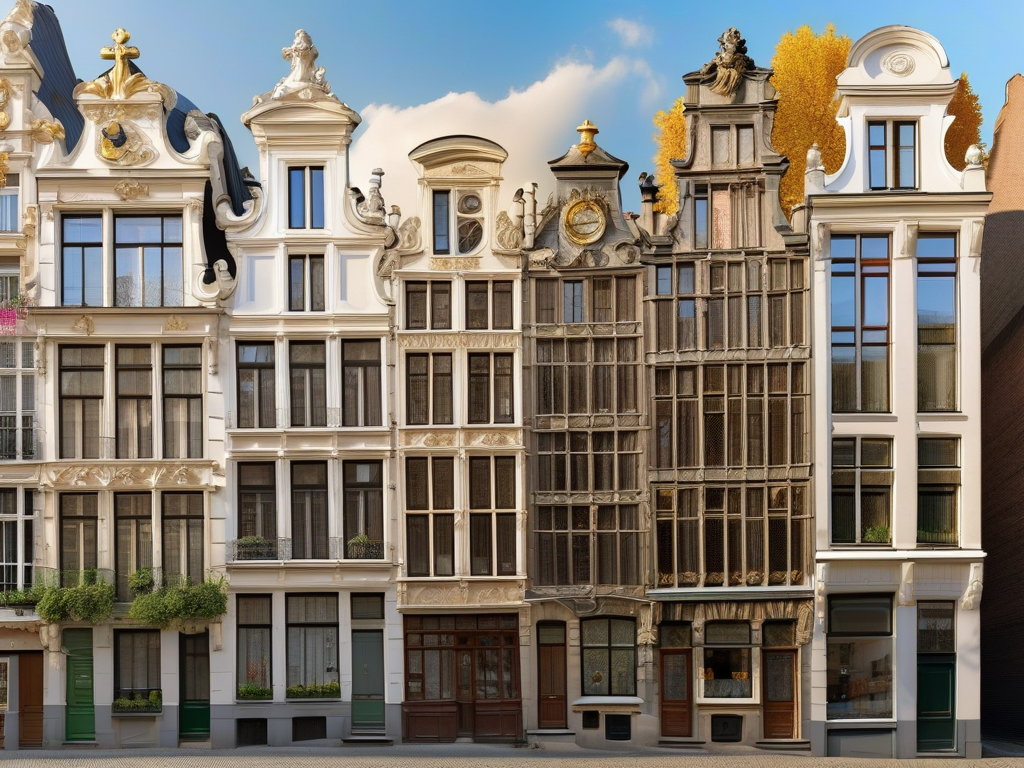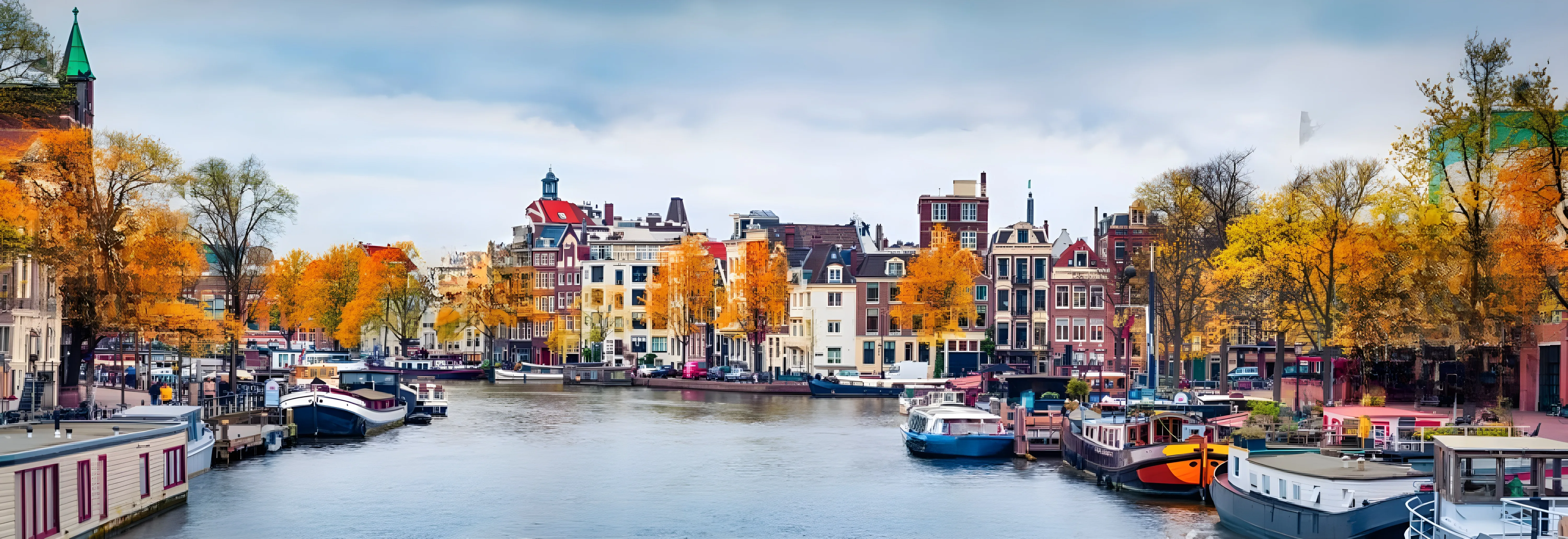
Explore the Vibrant Heart of Europe: Your Ultimate Berlin Travel…
Berlin Travel Guide: Discover Europe’s Dynamic Capital
Explore the Vibrant Heart of Europe: Your Ultimate Berlin Travel Guide
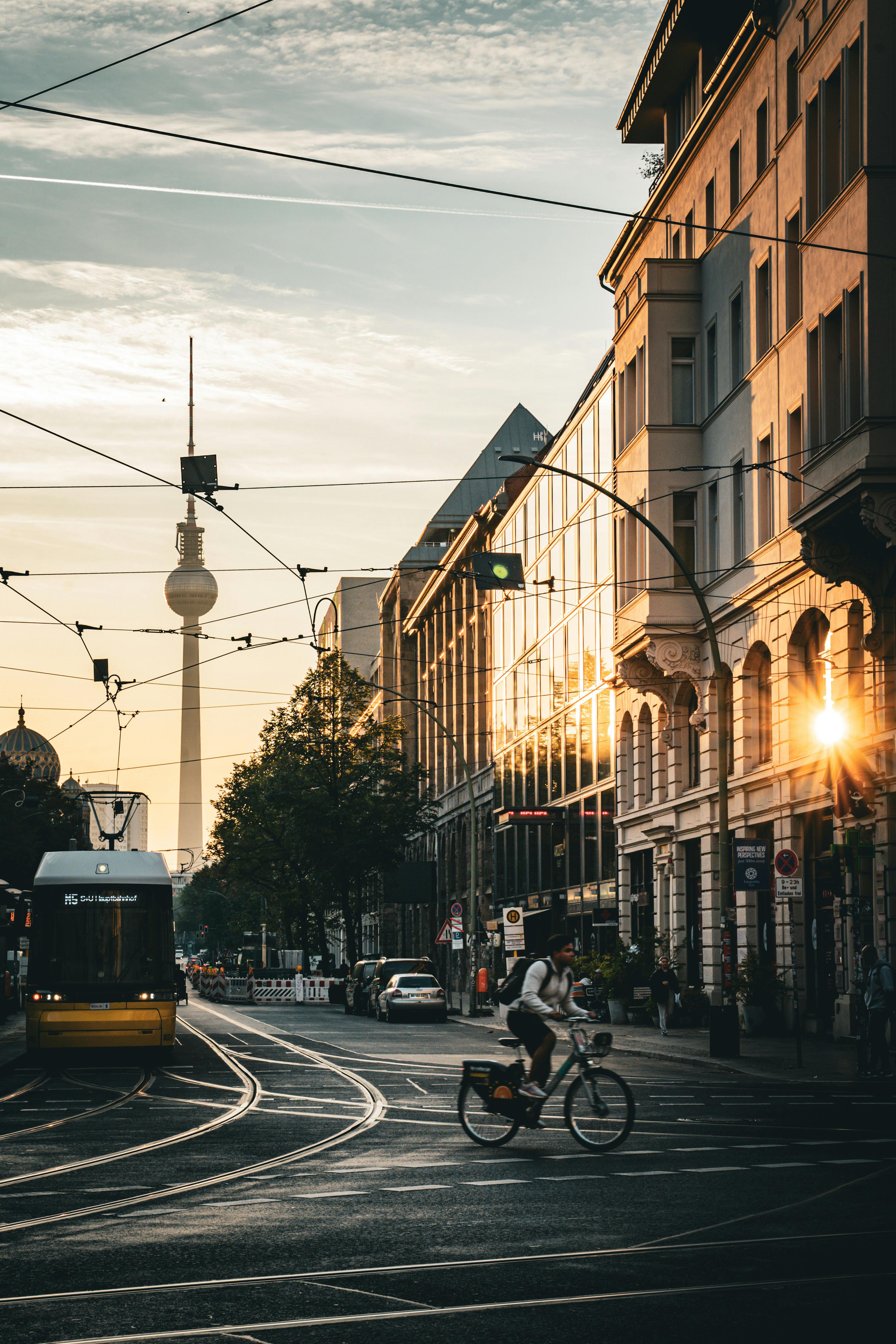
Berlin stands as a captivating testament to resilience, innovation, and cultural diversity. As the capital of Germany, it embodies a unique blend of historic grandeur and modern sophistication, making it an essential destination for travelers eager to experience Europe’s multifaceted character. This city is renowned not only for its pivotal role in world history but also for its vibrant arts scene, eclectic neighborhoods, and cutting-edge architecture. Whether you’re interested in exploring world-class museums, experiencing lively nightlife, or strolling through lush parks, Berlin offers an array of unforgettable experiences.
In this comprehensive guide, readers can expect an in-depth look at what makes Berlin a standout city in Europe. From its rich history and cultural landmarks to its thriving culinary scene and innovative neighborhoods, this article provides insights designed to inspire and inform. Prepare to uncover the city’s hidden gems and learn practical tips for navigating one of Europe’s most dynamic destinations.
Binge-worthy content for your next trip – start your free trial today!
The Brandenburg Gate: A Symbol of History and Unity
Location and Historical Significance
The Brandenburg Gate, situated at the western end of Unter den Linden boulevard in Berlin’s Mitte district, stands as one of the most iconic landmarks in the city. Constructed between 1788 and 1791, it was originally commissioned by King Frederick William II of Prussia as a symbol of peace. Over the centuries, the gate has witnessed pivotal moments in history, from Napoleon’s invasion to the Cold War division of Berlin. Today, it embodies the reunification of Germany and the resilience of its people.
Main Features and Architectural Details
The gate is an impressive neoclassical structure, measuring approximately 26 meters high, 65 meters wide, and 11 meters deep. It features twelve Doric columns, forming five passageways, with the central one historically reserved for royalty. Atop the gate stands the Quadriga, a chariot drawn by four horses driven by Victoria, the Roman goddess of victory. The statue was designed by Johann Gott Schadow and has become a symbol of triumph and peace.
Why It’s Worth Visiting
Visitors are drawn to the Brandenburg Gate not only for its architectural grandeur but also for its symbolic importance. It serves as a powerful reminder of Berlin’s turbulent past and its journey toward unity. The area around the gate is lively, especially at sunset, with street performers, cafes, and historical plaques providing context. It’s a must-see for anyone interested in European history, offering a tangible connection to the city’s resilience and hope for the future.
Practical Information
- Address: Pariser Platz, Berlin
- Best time to visit: Spring and early autumn for pleasant weather
- Accessibility: Fully accessible to visitors with mobility aids
- Nearby attractions: Reichstag Building, Memorial to the Murdered Jews of Europe
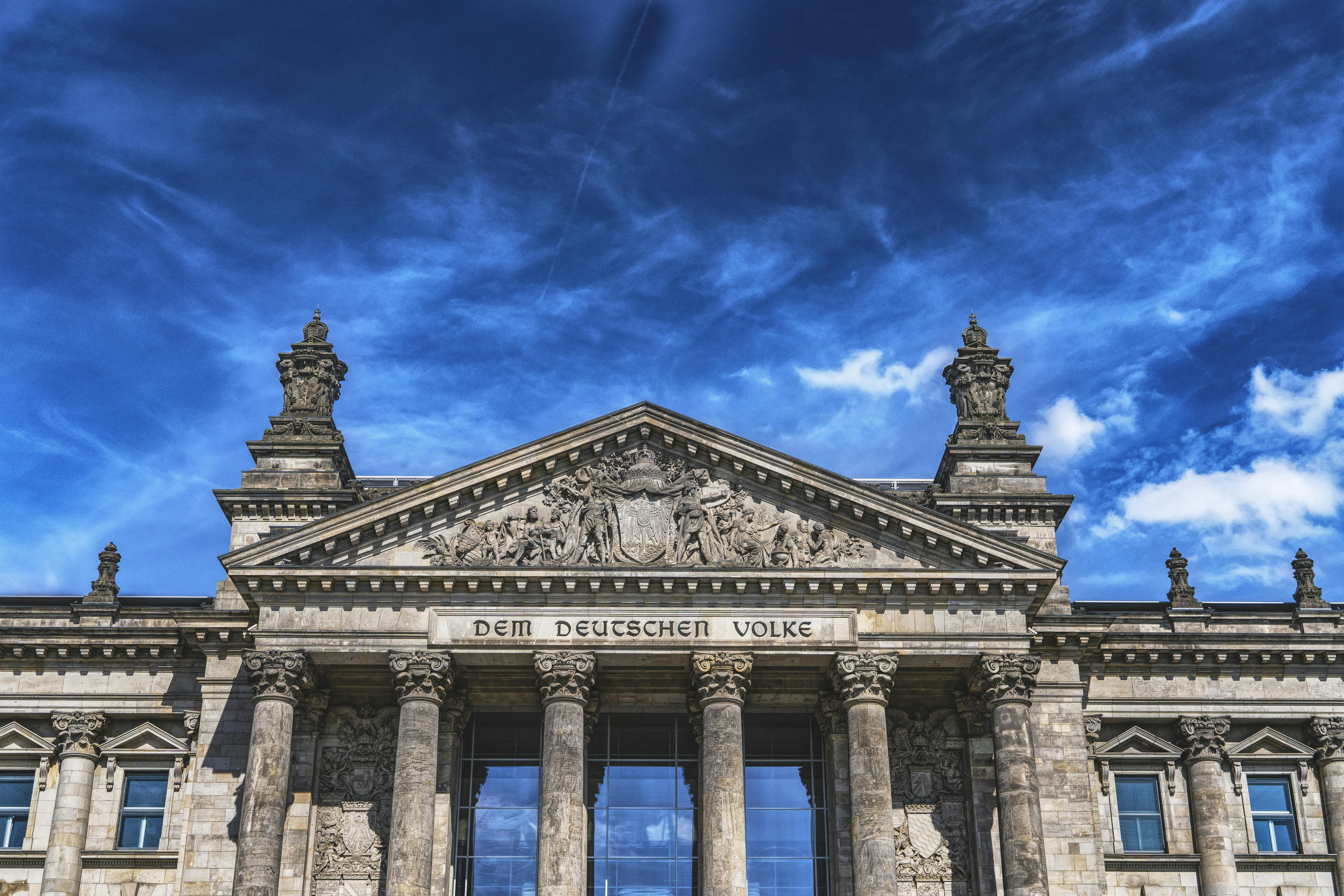
The Berlin Wall Memorial: A Reflection of Divided Berlin
Location and Significance
The Berlin Wall Memorial, located on Bernauer Straße in the Prenzlauer Berg district, offers a profound insight into the city’s divided history. Opened in 1998, it stands on a section of the original wall and serves as a poignant reminder of the Cold War era. Unlike the Berlin Wall’s remnants scattered across the city, this memorial provides an authentic, comprehensive experience of the wall’s impact on Berliners’ lives.
Main Features and Exhibits
The memorial includes a preserved section of the wall, a documentation center, and an open-air exhibition. The wall segment is approximately 80 meters long, with sections showing the original bricks and graffiti. The documentation center offers detailed exhibits, photographs, and personal stories of those affected by the division. The “Window of Remembrance” provides a contemplative space dedicated to those who lost their lives attempting to escape East Berlin.
Why It’s Worth Visiting
This site offers a visceral experience, allowing visitors to walk along the actual remnants of the wall. It fosters a deeper understanding of the division’s human toll and the resilience of those who fought for freedom. The memorial’s educational exhibits are engaging for visitors of all ages, making history tangible and personal. It’s an essential stop for travelers seeking to comprehend Berlin’s complex past and its journey toward reunification.
Practical Information
- Address: Bernauer Straße 111, Berlin
- Opening hours: Daily from 10 am to 6 pm
- Admission: Free
- Guided tours: Available in multiple languages, book in advance
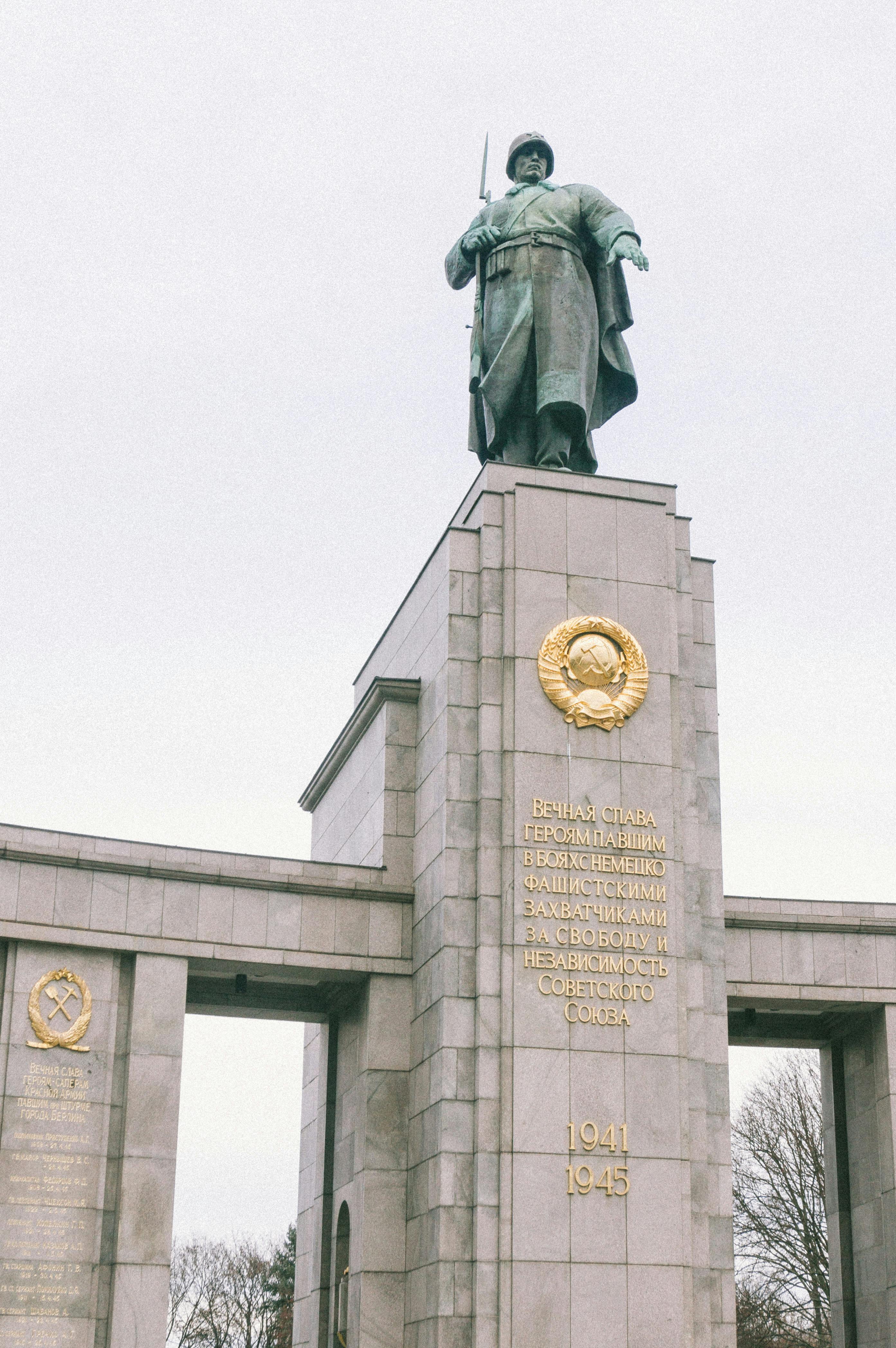
The Museum Island: A Cultural Treasure Trove
Location and Overview
Situated in the heart of Berlin along the Spree River, Museum Island is a UNESCO World Heritage site that houses five world-renowned museums. This cultural hub is a testament to Berlin’s rich artistic and historical heritage. Established in the 19th century, the island has become a focal point for art lovers, history enthusiasts, and architecture admirers alike.
Main Museums and Highlights
- Altes Museum: Features classical antiquities, including Greek and Roman sculptures.
- Neues Museum: Houses Egyptian artifacts, including the bust of Nefertiti, and prehistoric collections.
- Alte Nationalgalerie: Showcases 19th-century European paintings and sculptures.
- Pergamon Museum: Famous for its monumental reconstructions, including the Ishtar Gate of Babylon and the Market Gate of Miletus.
Why It’s Worth Visiting
Visiting Museum Island offers a comprehensive journey through human history, art, and culture. The architecture of the museums themselves is stunning, blending neoclassical and modern styles. The Pergamon Museum, in particular, is a highlight, drawing visitors from around the world to see its grand reconstructions. The island’s central location makes it accessible, and the vibrant atmosphere, with cafes and street performers, enhances the experience. It is perfect for those seeking an immersive cultural day in Berlin.
Practical Information
- Address: Bodestraße 1-3, Berlin
- Opening hours: Vary by museum; generally 10 am – 6 pm
- Tickets: Combo tickets available; discounts for students and seniors
- Accessibility: Fully accessible, with guided tours and audio guides available
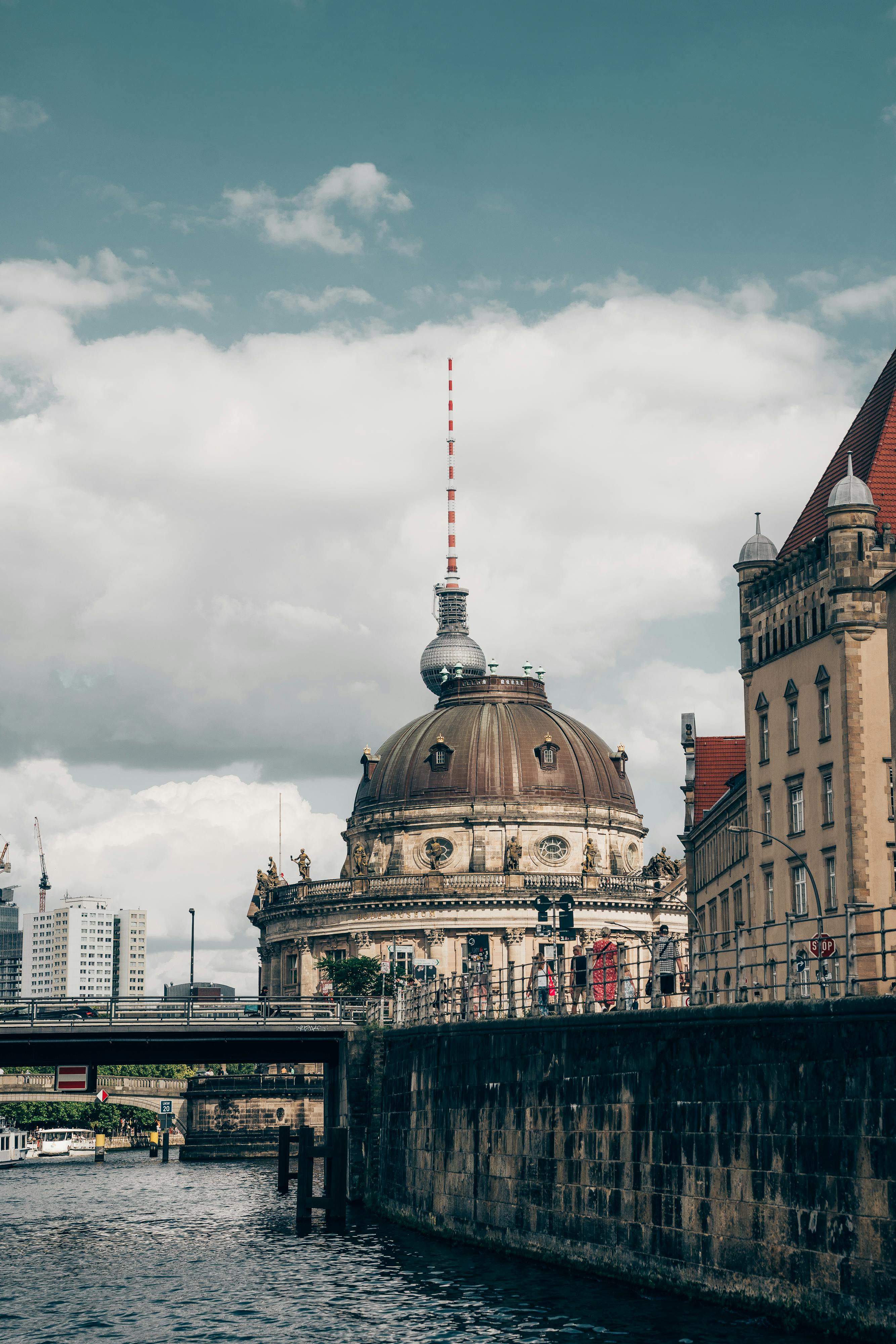
Berlin’s top attractions offer a blend of history, culture, and resilience, making the city a captivating destination for travelers interested in Europe’s vibrant cities. Each site tells a story—whether of triumph, division, or artistic achievement—highlighting Berlin’s role as a city of transformation and hope. Exploring these landmarks provides a deeper understanding of Berlin’s unique identity within the tapestry of European cities.
Best Time to Visit Berlin
Understanding the Climate and Weather
Berlin experiences a temperate seasonal climate, with distinct differences between summer and winter. Summers, from June to August, are generally warm, with average temperatures ranging from 20°C to 25°C (68°F to 77°F). This period also brings longer daylight hours, making it ideal for outdoor activities and sightseeing. Conversely, winters from December to February can be cold, often dropping below freezing, with temperatures averaging around 0°C (32°F). Snowfall is possible, creating a picturesque winter landscape, but it can also hinder outdoor exploration.
Peak Tourist Seasons
The city sees a surge of visitors during the summer months, especially from June to August, and around major holidays such as Christmas and New Year. During these peak times, popular attractions can be crowded, and accommodation prices tend to rise. The festive Christmas markets, however, offer a unique, enchanting experience that draws many travelers in December. Spring (April and May) and early autumn (September and October) also see increased visitors, thanks to pleasant weather and fewer crowds.
Advantages of Visiting During Off-Peak Periods
Traveling in the shoulder seasons—spring and early autumn—offers several benefits. You will find lower prices for flights and accommodations, shorter lines at major sights, and a more relaxed atmosphere. These months are perfect for exploring Berlin’s vibrant neighborhoods, outdoor parks, and cultural sites without the hustle of peak season crowds. Additionally, the weather remains comfortable, with mild temperatures and less rain than in winter or summer.
Summary of Pros and Cons
| Time of Year | Pros | Cons |
|---|---|---|
| Summer (June – August) |
|
|
| Winter (December – February) |
|
|
| Spring and Autumn (April-May, September-October) |
|
|
Ultimately, the best time to visit Berlin depends on your preferences. If you seek lively festivals and warm weather, summer is ideal. For a quieter, more budget-friendly experience, consider spring or autumn. Winter offers a festive charm, especially around the holidays, but requires preparation for colder conditions. By weighing these factors, you can choose the perfect time to explore this dynamic European city.
How to Get to Berlin: Your Comprehensive Travel Guide
Flights to Berlin
Travelers from around the world often choose flights as the fastest and most convenient way to reach Berlin. Berlin Brandenburg Airport (BER) is the primary international gateway, well-connected to major cities across Europe, North America, and beyond. Major airlines such as Lufthansa, Air France, and British Airways operate regular services to Berlin. When booking, consider early reservations to secure better fares and preferred flight times. Additionally, look out for connecting flights through major hubs like Frankfurt or Amsterdam, which can sometimes offer more affordable options. Keep in mind that Berlin’s airport is located about 18 miles southeast of the city center, so plan your transfer accordingly.
Traveling by Train
For those already in Europe, trains offer an eco-friendly and scenic route to Berlin. The city is a major rail hub, with excellent connections from neighboring countries such as Poland, Czech Republic, and the Netherlands. The Deutsche Bahn (DB) operates high-speed trains that can reach Berlin in just a few hours from cities like Hamburg, Prague, and Warsaw. Traveling by train not only reduces your carbon footprint but also provides a comfortable journey with amenities like dining cars and Wi-Fi. Tickets can be purchased online in advance or at the station, often with discounts for early bookings or rail passes.
Bus and Coach Services
Long-distance buses are an affordable alternative to trains and flights. Companies like FlixBus and Eurolines connect Berlin with numerous European cities. Buses usually depart from central locations and arrive at Berlin’s main bus terminal near Alexanderplatz. Although bus journeys take longer, they often provide budget-friendly options, especially for travelers on a tight budget. Be sure to check schedules ahead of time and arrive early for a smooth boarding process.
Car Rentals and Driving Tips
Renting a car offers flexibility for exploring Berlin and its surroundings at your own pace. Major rental companies are available at the airport and city centers. When driving into Berlin, be aware of the city’s congestion charges and low-emission zones, which restrict older vehicles. Parking can be challenging in the city center, so look for designated parking areas or park-and-ride facilities outside the city and use public transport to reach your destination. Always carry an international driving permit if required.
Whether you choose flights, trains, buses, or driving, planning ahead ensures a smooth journey. Consider your budget, time constraints, and the experience you desire to make the most of your trip to Berlin, a city renowned for its vibrant culture and rich history.
Best Places to Stay in Berlin: Catering to Every Budget
Berlin, a vibrant metropolis blending history, modernity, and culture, offers a wide array of accommodations. Whether you’re seeking luxury, mid-range comfort, or budget-friendly options, the city ensures a memorable stay. Here’s a detailed guide to help you choose the perfect place to rest during your European city adventure.
Luxury Stays in Berlin
For travelers who desire an opulent experience, Berlin’s luxury hotels provide world-class amenities and impeccable service. These establishments are often located in prime districts, offering easy access to major attractions.
The Regent Berlin is a shining example of elegance, situated near Gendarmenmarkt. It boasts historic architecture combined with contemporary luxury, including spacious rooms, a renowned spa, and a Michelin-starred restaurant. Its central location makes exploring the city effortless.
Hotel de Rome offers a regal ambiance in a beautifully restored 19th-century building. Guests enjoy luxurious rooms, a rooftop terrace with panoramic views, and top-tier dining options. Its sophisticated atmosphere makes it ideal for travelers seeking exclusivity.
Mid-Range Options for Comfortable Stays
Mid-range hotels strike a balance between comfort and affordability, making them perfect for most travelers. They often feature modern amenities, convenient locations, and friendly service.
- NH Collection Berlin Mitte Friedrichstrasse offers sleek rooms just steps from historic sites like Checkpoint Charlie. Its central location is perfect for exploring Berlin’s museums, shops, and cafes.
- Hampton by Hilton Berlin City Centre Alexanderplatz provides spacious rooms with contemporary decor. It’s close to Alexanderplatz, making transportation and sightseeing straightforward.
These hotels provide excellent value, ensuring a comfortable stay without breaking the bank. Additionally, many include complimentary breakfast and Wi-Fi, enhancing convenience.
Budget-Friendly Accommodations
Travelers on a tighter budget will find Berlin surprisingly accommodating. Hostels, guesthouses, and budget hotels often deliver a friendly atmosphere and practical amenities.
- Generator Berlin Mitte is a trendy hostel with modern dormitories and private rooms. Located near the Berlin Wall, it’s perfect for social travelers interested in the city’s history.
- Meininger Hotel Berlin Tiergarten offers affordable private rooms and dorms, with easy access to public transportation. Its communal spaces foster a sense of community among guests.
These options often include communal kitchens and social areas, ideal for meeting fellow travelers. They also provide essential comforts at a fraction of the cost of luxury hotels.
Summary Table of Accommodation Options
| Budget Level | Recommended Hotels | Highlights |
|---|---|---|
| Luxury | Regent Berlin, Hotel de Rome | Prime locations, exclusive amenities, historic charm |
| Mid-Range | NH Collection Berlin Mitte, Hampton Berlin | Comfortable, convenient, great value | Budget | Generator Berlin Mitte, Meininger Hotel Tiergarten | Affordable, social atmosphere, practical amenities |
Ultimately, Berlin’s diverse accommodation scene ensures every traveler finds a perfect home away from home. Whether indulging in luxury, seeking mid-range comfort, or sticking to a budget, the city welcomes all with open arms.
Essential Travel Products for Visiting Berlin
1. Berlin City Pass: The Ultimate Transportation and Attraction Access
The Berlin City Pass is a versatile travel card designed to streamline your exploration of the German capital. It offers unlimited access to public transportation, including buses, trams, U-Bahn, and S-Bahn trains, making it effortless to navigate the city’s extensive transit network. This pass also grants free or discounted entry to over 50 popular attractions, such as the Berlin Wall Memorial, Museum Island, and the Reichstag Building.
One of its standout features is the convenience of combining transportation and sightseeing in a single ticket, saving both time and money. The pass is available for durations of 48, 72, or 5 days, allowing travelers to choose based on their itinerary. Additionally, many versions include guided audio tours, which enrich the experience by providing historical context and local insights.
Purchasing options are flexible, with the Berlin City Pass available online through official tourism websites or at major transit stations. Its compact design fits easily into a pocket or bag, making it perfect for on-the-go use. For visitors eager to maximize their time and minimize hassle, this pass is an invaluable tool for exploring Berlin efficiently.
2. Compact Travel Umbrella: Be Prepared for Berlin’s Unpredictable Weather
Berlin’s weather can be quite variable, with sudden showers common throughout the year. A compact, lightweight travel umbrella is an essential item for any visitor, ensuring you stay dry while exploring outdoor sites or strolling through city streets. Look for models that are wind-resistant, durable, and easy to pack, such as the Davek Solo or the Repel Windproof Travel Umbrella.
The Davek Solo, for example, features a sturdy frame, a sleek design, and a lifetime guarantee, making it a reliable companion during your trip. Its compact size allows it to fit comfortably into backpacks or handbags, so you can carry it at all times without inconvenience. The Repel Windproof Umbrella is known for its resistance to strong gusts, perfect for Berlin’s breezy days.
Where to buy? Both models are widely available online through retailers like Amazon, or in travel stores and department stores in your home country. Investing in a quality travel umbrella ensures you remain comfortable and prepared, regardless of Berlin’s weather whims.
Recommended Travel Guidebooks for Berlin
Travel Guide Berlin: Top Picks on Kindle Unlimited and Audible
For travelers seeking comprehensive and engaging resources, several guidebooks are available on Kindle Unlimited and Audible that can significantly enhance your Berlin experience. These guides provide detailed itineraries, cultural insights, and practical tips, making navigation and discovery more enjoyable.
1. “Berlin: The Monocle Travel Guide” (by Monocle)
This guide offers a stylish and modern perspective on Berlin’s vibrant neighborhoods, from Mitte to Kreuzberg. It highlights the city’s best cafes, shops, galleries, and hidden gems, making it perfect for travelers who want to explore beyond the typical tourist spots. The book’s engaging writing and curated recommendations help visitors immerse themselves in Berlin’s unique culture. Available on Kindle Unlimited and Audible, it combines visual inspiration with audio storytelling, ideal for planning or on-the-go exploration.
2. “DK Eyewitness Travel Guide Berlin” (by DK Publishing)
This comprehensive guide features detailed maps, historical background, and practical advice. Its well-organized layout allows travelers to quickly find information about landmarks, museums, and local dining options. The vivid photography and illustrations bring Berlin’s history and modernity to life. On Kindle Unlimited, readers can access the full content, while the Audible version offers narrated tours and insights, making it a versatile resource for both planning and in-the-moment discovery.
3. “Berlin Travel Guide: The Essential Guide to Berlin’s Best Sights, Food, and Culture” (by Lonely Planet)
This guide emphasizes authentic experiences and local flavors, guiding travelers through Berlin’s culinary scene, arts, and nightlife. It provides practical tips for navigating public transit, finding budget-friendly options, and understanding local customs. The Audible version features engaging narration, perfect for listening during commutes or walks. Kindle Unlimited users can enjoy detailed itineraries and insider tips, ensuring a well-rounded visit to Berlin.
In summary, combining these well-curated guidebooks with practical travel products can transform your Berlin adventure into a seamless, enriching experience. Whether you prefer detailed maps, cultural insights, or audio narratives, these resources are invaluable companions for exploring Europe’s dynamic capital.
Never get lost or unprepared – try Kindle Unlimited free for access to essential travel resources.
Frequently Asked Questions About Traveling to Berlin
What is the best time of year to visit Berlin?
Berlin offers a vibrant experience year-round, but the ideal time to visit depends on your preferences. Spring (April to June) and early fall (September to October) are particularly popular due to mild weather and fewer tourists. During these months, you can enjoy outdoor attractions, parks, and open-air events comfortably. Summer (July and August) is lively, with numerous festivals, music events, and bustling outdoor cafes, but it can also be crowded and more expensive. Winter (December to February) transforms Berlin into a magical city with festive Christmas markets and holiday lights, though temperatures can drop below freezing. If you prefer fewer crowds and moderate weather, visiting during shoulder seasons offers the best balance of comfort and cultural activity.
What are the most essential sights to see in Berlin?
Berlin is rich with history, culture, and modern attractions. Key sites include:
- Brandenburg Gate: An iconic symbol of unity and peace.
- Berlin Wall Memorial: Offers insight into the city’s divided past.
- Reichstag Building: The historic parliament building with a stunning glass dome.
- Museum Island: A UNESCO World Heritage site home to world-class museums.
- Checkpoints of Charlie: The famous Cold War crossing point.
- East Side Gallery: An open-air gallery painted on a remaining section of the Berlin Wall.
Beyond these, explore vibrant neighborhoods like Kreuzberg and Prenzlauer Berg for local culture, street art, and trendy cafes.
How can I get around Berlin efficiently?
Berlin boasts an extensive and user-friendly transportation network. The city’s public transport includes trains (S-Bahn), buses, trams, and metro (U-Bahn), all operated by BVG. A single ticket covers all modes and is valid for up to two hours, making it convenient for tourists. For longer stays, consider purchasing a Berlin WelcomeCard, which offers unlimited travel and discounts at attractions. Biking is also popular, with many dedicated bike lanes and rental options like Nextbike. Walking remains a great way to explore central districts and discover hidden gems. Taxis and ride-sharing services are available but tend to be more expensive. Overall, public transit is the most practical and eco-friendly way to navigate Berlin efficiently.
What should I know about Berlin’s local cuisine?
Berlin’s culinary scene is diverse, reflecting its multicultural population. Traditional dishes include Currywurst (sausage with curry ketchup), Berliner Pfannkuchen (jelly-filled doughnuts), and Sauerbraten (marinated pot roast). The city also offers a thriving international food scene, with Turkish, Vietnamese, Middle Eastern, and Italian cuisines readily available. For a true Berlin experience, visit local markets such as Markthalle Neun, where you can sample artisanal foods. Coffee culture is vibrant, with many cafes serving excellent brews. Vegetarian and vegan options are widespread, and many restaurants cater to dietary preferences. Exploring street food stalls and local markets provides an authentic taste of Berlin’s culinary diversity.
Is Berlin a safe city for travelers?
Generally, Berlin is considered safe for tourists. Like many major cities, it’s important to stay aware of your surroundings, especially at night or in less crowded areas. Pickpocketing can occur in busy tourist spots and on public transport, so keep valuables secure. The city has a visible police presence, and violent crime rates are relatively low. Berlin’s diverse neighborhoods are welcoming, but it’s wise to research specific areas if you plan to visit late at night. Additionally, staying in well-reviewed accommodations and following basic safety tips ensures a smooth trip. Overall, with common sense precautions, Berlin offers a secure environment for exploring its rich history and vibrant culture.
Conclusion
Traveling to Berlin provides a unique opportunity to immerse yourself in a city that beautifully blends history, modernity, and multiculturalism. Whether you’re exploring historic landmarks, enjoying its vibrant neighborhoods, or sampling diverse cuisines, Berlin promises an enriching experience. Planning your visit during the right season, understanding transportation options, and knowing what to see and eat will help you make the most of your trip. Remember, Berlin’s welcoming atmosphere and dynamic cultural scene make it a must-visit destination in Europe.
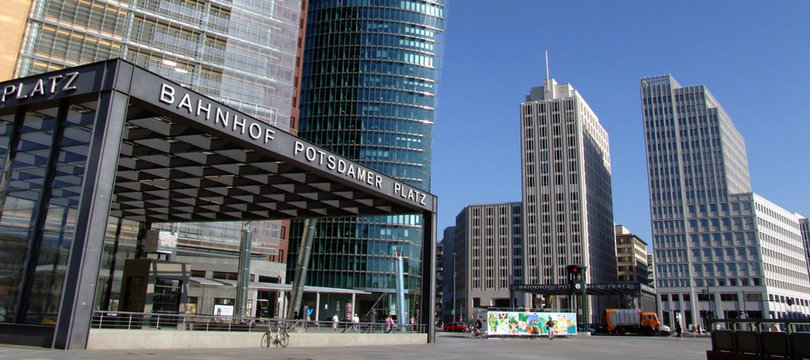
Earn cashback on everything you need for your next trip – from booking your flights to buying your luggage. It’s free and easy – sign up today!
Discover the Unmatched Charm of Berlin: Your Next European Adventure
Berlin stands out among European cities for its extraordinary blend of history, modernity, and vibrant culture. From iconic landmarks like the Brandenburg Gate and Berlin Wall to the lively neighborhoods of Kreuzberg and Mitte, the city offers a diverse tapestry of experiences. Visitors can explore world-class museums, indulge in eclectic culinary scenes, or simply enjoy the city’s dynamic street art and nightlife.
Key Highlights to Remember
- Historical Landmarks: Berlin’s rich past is visible everywhere, making it a must-visit for history enthusiasts.
- Cultural Diversity: The city’s multicultural vibe ensures there’s something for everyone, from art lovers to foodies.
- Vibrant Neighborhoods: Each district has its own personality, offering unique shopping, dining, and entertainment options.
- Accessible Transportation: An extensive public transit system makes exploring the city seamless and convenient.
Why Berlin Should Be on Your Travel List
Unlike many European capitals, Berlin offers an intriguing mix of resilience and innovation. Its evolving skyline, combined with preserved historical sites, tells a story of transformation and hope. Whether you’re interested in history, art, or nightlife, Berlin provides an immersive experience that stays with you long after your visit. Moreover, the city’s affordability compared to other European metropolises makes it an attractive destination for a broad range of travelers.
Now is the perfect time to plan your journey to Berlin. Dive into its fascinating history, embrace its creative spirit, and enjoy the warm hospitality of this remarkable city. Your adventure in Europe awaits—don’t miss the chance to explore one of the continent’s most captivating destinations.
Are you entitled to compensation for a delayed flight?