Experience the Charm and Complexity of Brussels, a European Capital…
Brussels Travel Guide: Discover the Heart of Europe
Experience the Charm and Complexity of Brussels, a European Capital Like No Other
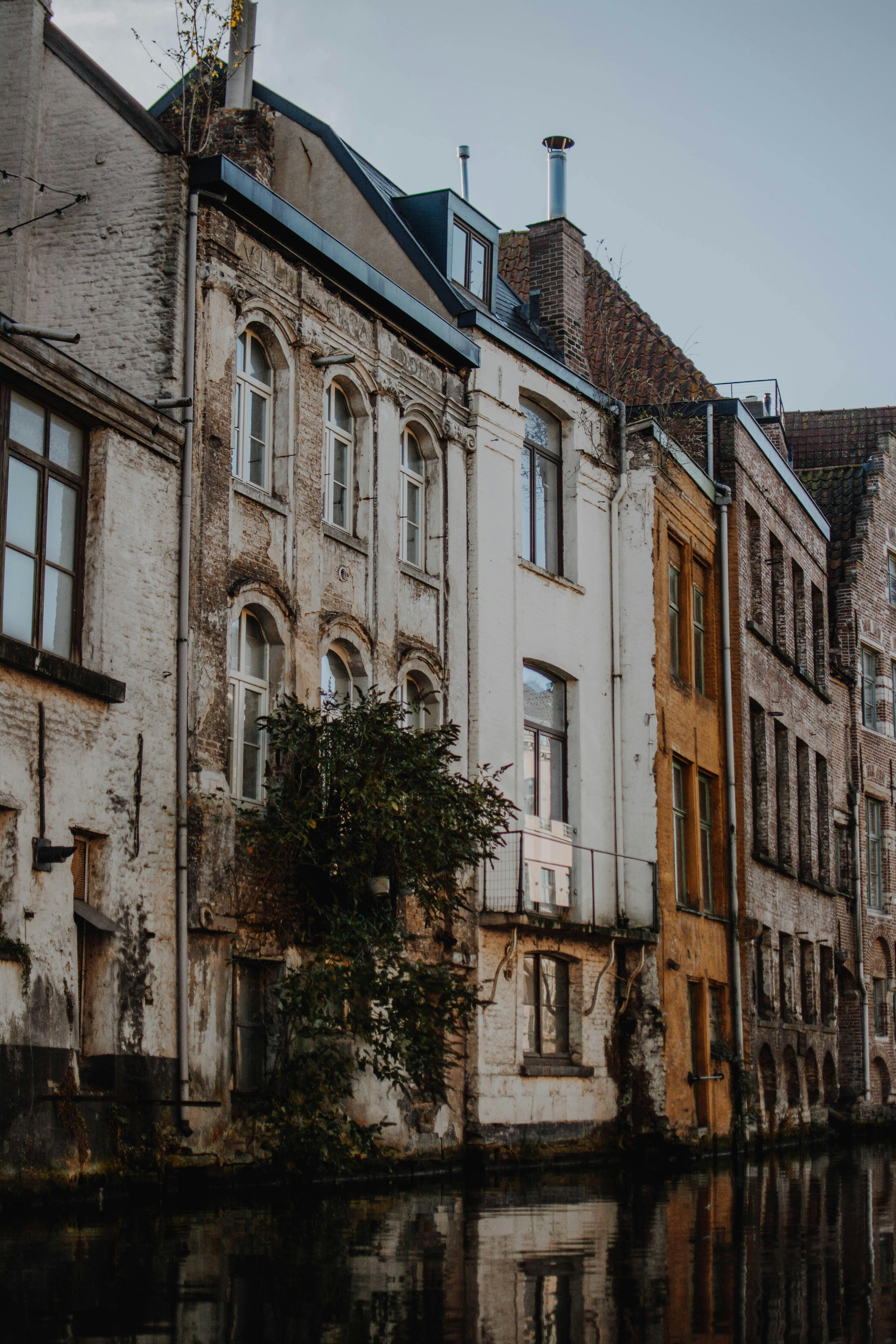
Nestled at the crossroads of Europe, Brussels stands out as a vibrant city that seamlessly blends history, politics, and culture. As the capital of Belgium and the de facto capital of the European Union, Brussels offers a unique mix of international influence and local charm. Visitors are drawn to its stunning architecture, bustling markets, and renowned culinary scene, all set against a backdrop of centuries-old traditions and modern innovation. This city is a melting pot of languages, cuisines, and ideas, making it an ideal destination for curious travelers seeking both cultural depth and contemporary excitement. Whether you’re exploring historic neighborhoods or indulging in world-class chocolates, Brussels invites you to experience its dynamic personality firsthand. In this guide, you’ll find insights into its hidden gems, practical tips for navigating the city, and suggestions to truly immerse yourself in its distinctive European atmosphere. Prepare to uncover what makes Brussels a must-visit city in Europe’s diverse tapestry of urban destinations.
Binge your favorite series no matter where you are – free trial of Prime Video!
The Grand Place (Grote Markt): The Heartbeat of Brussels
Introduction and Location
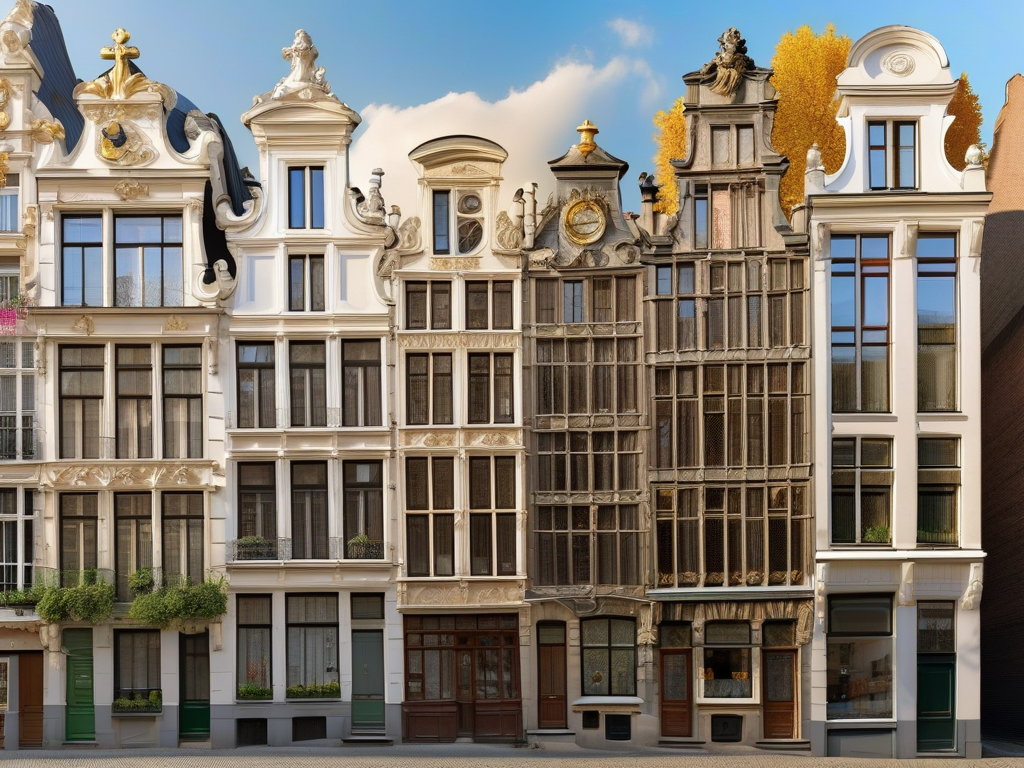
The Grand Place, known locally as Grote Markt, stands as the most iconic and mesmerizing square in Brussels. Situated in the historic city center, this UNESCO World Heritage site is surrounded by opulent guildhalls, the striking Town Hall, and the King’s House (Maison du Roi). Its central location makes it easily accessible from various parts of the city, serving as the starting point for many sightseeing tours and cultural explorations.
Main Features and Architectural Marvels
The square’s architecture is a stunning showcase of 17th-century Flemish Baroque style. The guildhalls, each uniquely decorated with intricate facades, gilded statues, and detailed stonework, reflect the wealth and craftsmanship of the period. The Town Hall, built between 1401 and 1455, is a masterpiece of Gothic architecture, featuring a tall, slender tower topped with a statue of Saint Michael slaying a dragon. Adjacent to the Town Hall, the King’s House (Maison du Roi) now functions as the Museum of the City of Brussels, offering insights into the city’s history and heritage.
During the year, the Grand Place hosts vibrant events, including the famous Flower Carpet held every two years in August, where thousands of begonias are laid out in a stunning pattern. The square is also illuminated beautifully at night, creating a magical atmosphere that enchants visitors.
Why Visit and Practical Tips
Visiting the Grand Place offers an immersive experience into Brussels’ rich history and vibrant culture. The square’s lively ambiance, especially during festivals and markets, makes it a must-see. Free guided tours are available, providing detailed historical insights. For practical convenience:
- Best visiting hours are early mornings or late evenings when crowds are thinner.
- Check the schedule for events like the Flower Carpet or Christmas market.
- Public transport options, including trams and buses, serve nearby stations, making access straightforward.
Whether admiring the architecture, enjoying local delicacies at nearby cafes, or simply soaking in the lively atmosphere, the Grand Place remains an essential landmark that captures the spirit of Brussels.
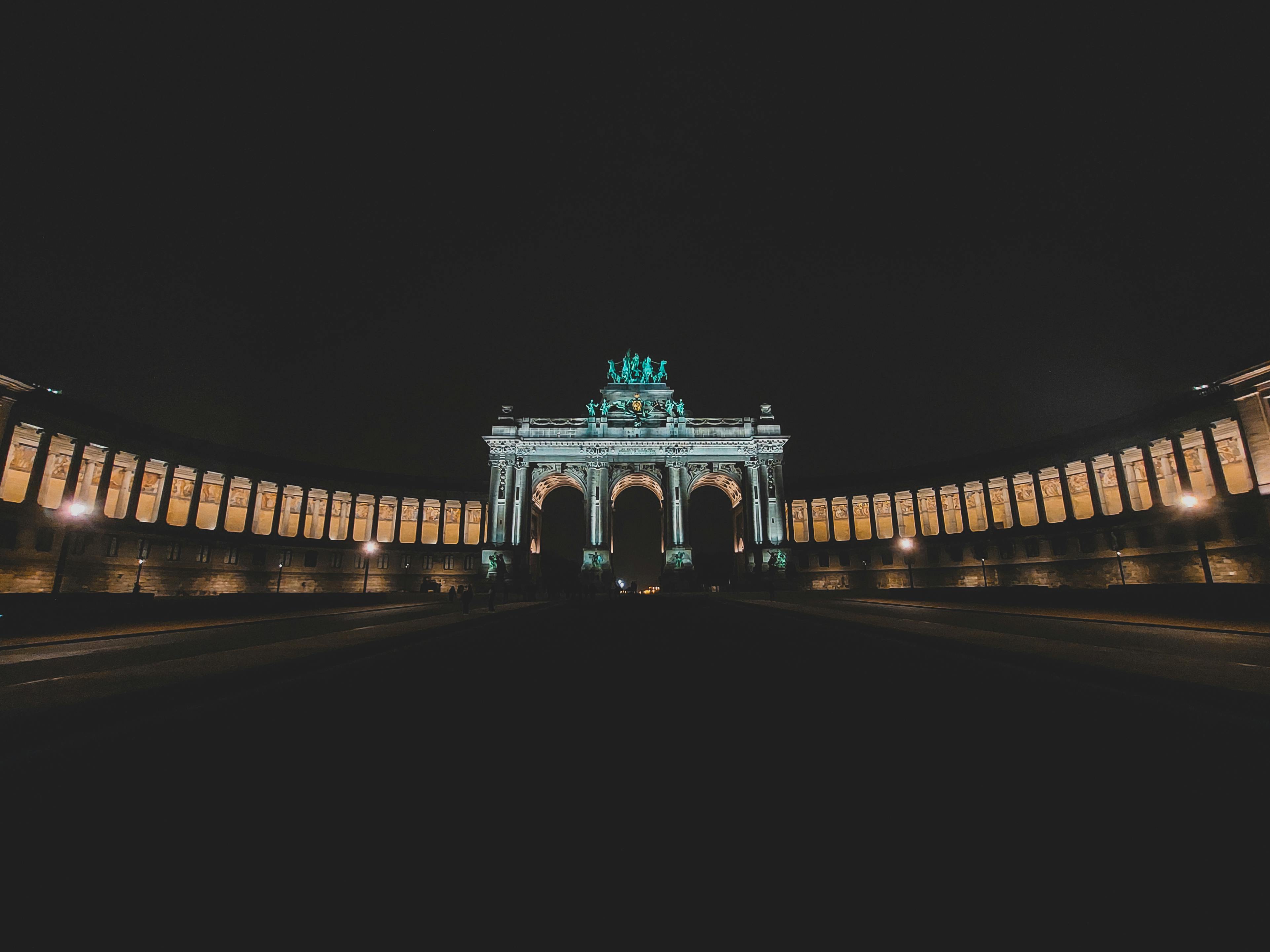
The Atomium: A Futuristic Icon of Brussels
Introduction and Location
The Atomium is one of Brussels’ most distinctive landmarks, standing proudly in the Heysel Park, just a few kilometers from the city center. Originally constructed for the 1958 Brussels World’s Fair (Expo 58), it has since become a symbol of innovation, science, and modern architecture. Its strategic location makes it easy to reach via public transport, with the nearby Heysel metro station offering direct access.
Main Features and Design
The Atomium consists of nine interconnected stainless steel spheres, each with a diameter of 18 meters, connected by tubes that serve as escalators and walkways. The structure reaches a height of 102 meters, offering panoramic views of Brussels and beyond from the top sphere. The spheres house exhibitions, a restaurant, and interactive displays related to science and technology, emphasizing the structure’s original purpose to showcase progress and futuristic visions.
Designed by engineer André Waterkeyn and architects André and Jean Polak, the Atomium’s unique form symbolizes an iron crystal magnified 165 billion times. Its shiny surface reflects the sky and cityscape, creating a captivating visual that changes with the weather and lighting conditions. Visitors can ascend to the top sphere, walk through the connecting tubes, and explore themed exhibitions that delve into scientific advancements and innovation.
Why Visit and Practical Tips
The Atomium offers more than just a photo opportunity; it provides a glimpse into the future of architecture and science. Its striking design and sweeping views make it a must-visit for travelers interested in modern engineering marvels. Practical tips include:
- Purchase tickets online to avoid long queues, especially during peak seasons.
- Allocate at least 1-2 hours for the visit, including time to enjoy the panoramic views and exhibitions.
- Combine your visit with nearby attractions like Mini-Europe, a miniature park showcasing Europe’s landmarks.
For a memorable experience, visit during sunset when the structure glows with golden hues, or in the evening when it’s illuminated. The Atomium’s futuristic appeal and cultural significance make it an essential stop for those exploring Brussels’ modern identity.
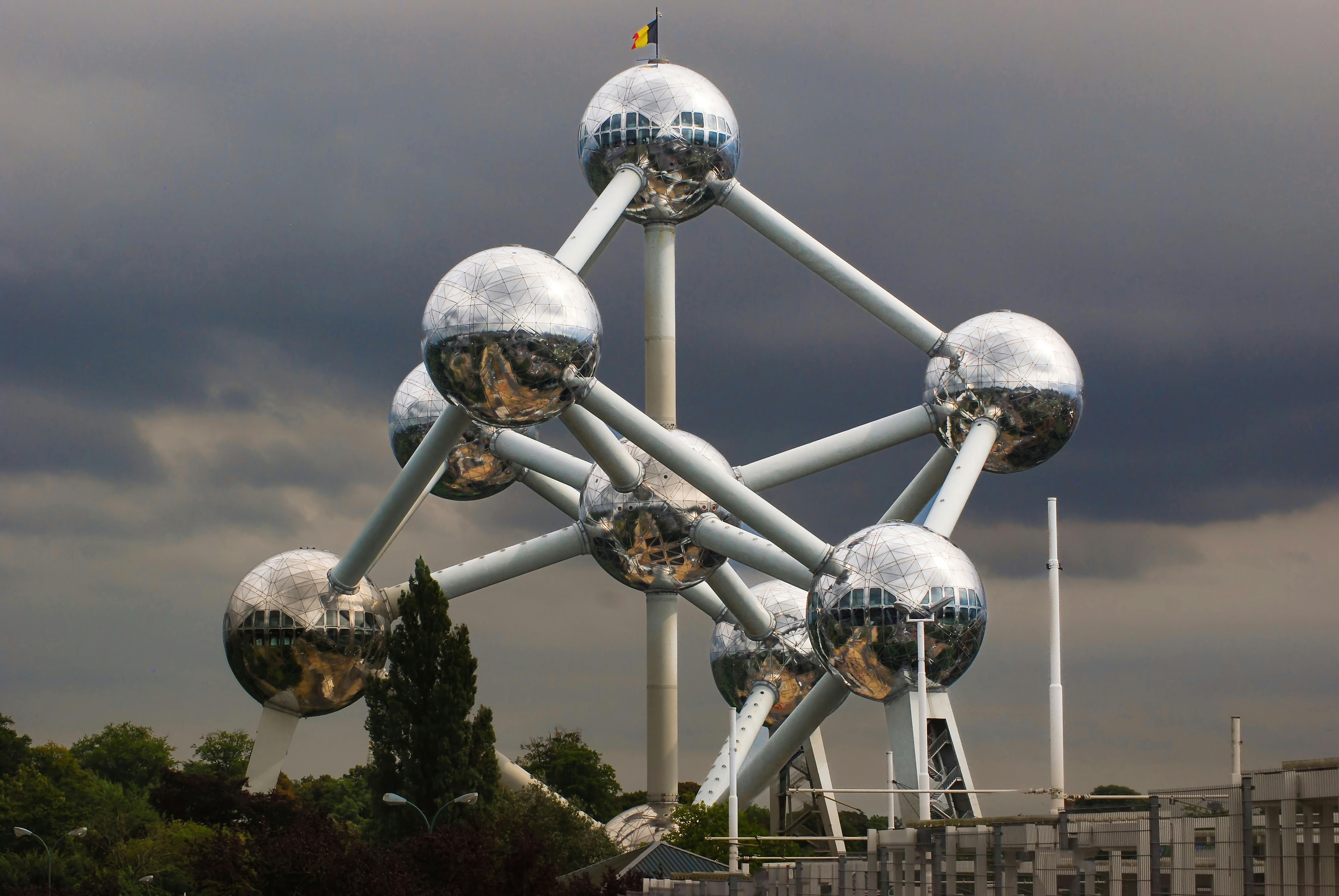
The Royal Palace of Brussels: The Residence of Royal Grandeur
Introduction and Location
The Royal Palace of Brussels, situated at the western end of the Parc de Bruxelles (Brussels Park), is the official residence of the Belgian monarch. Although it functions primarily as the administrative center for royal events and ceremonies, it is open to the public during the summer months. Its central location, within walking distance from the Grand Place, makes it a highlight in any Brussels itinerary.
Main Features and Architectural Significance
The palace’s neoclassical façade, completed in the 18th century, exudes regal elegance and grandeur. The building boasts 19 state rooms, each decorated with exquisite furnishings, artwork, and historical artifacts. Visitors are often captivated by the Grand Staircase, the Throne Room, and the Mirror Room, each showcasing opulence and craftsmanship.
During the summer, the palace’s gardens and courtyards open for guided tours, allowing visitors to explore its rich history and the Belgian royal family’s traditions. The Changing of the Guard ceremony, held every Wednesday at 11 am, offers a lively spectacle of tradition and pageantry, drawing crowds from around the world.
Why Visit and Practical Tips
Visiting the Royal Palace provides a unique opportunity to delve into Belgium’s royal heritage and European history. It’s a chance to witness the ceremonial aspects of monarchy and appreciate the architectural beauty of the building. Practical tips include:
- Check the official schedule for opening days and times, as visits are seasonal.
- Arrive early on days when the palace is open to secure a good viewing spot for the Changing of the Guard.
- Join guided tours for detailed insights into the history and significance of each room and artwork.
While the interior visits are seasonal, the exterior and gardens are always accessible, offering picturesque views perfect for photography. The Royal Palace stands as a symbol of Belgium’s monarchy and cultural heritage, making it a must-see for history and architecture enthusiasts alike.
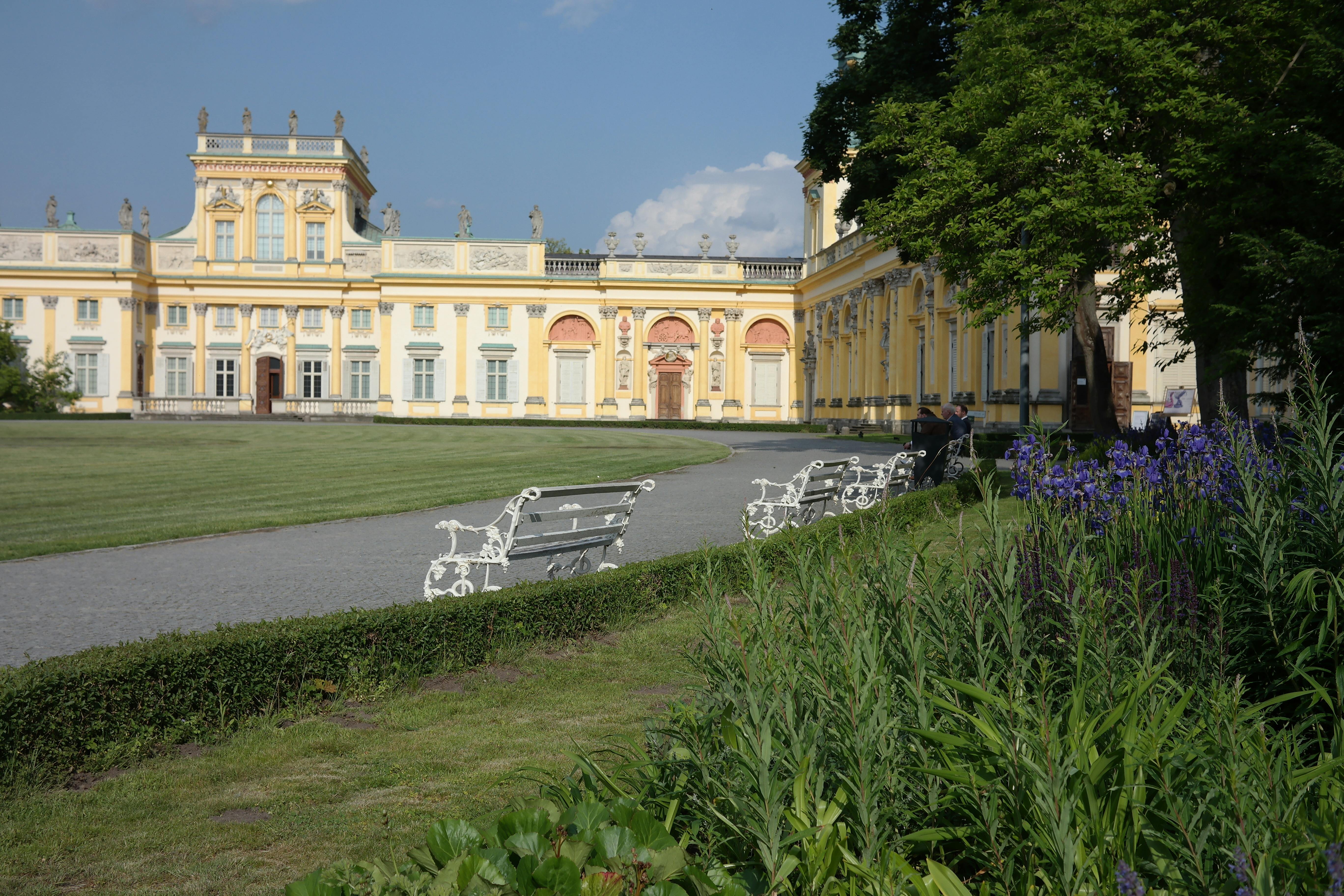
Overall, Brussels’ top attractions offer a blend of history, innovation, and regal splendor. Exploring these sites provides a comprehensive understanding of the city’s rich cultural fabric and its role within the broader context of European cities. Each landmark, from the historic square to futuristic structures and royal residences, reflects the diverse layers of Brussels’ identity, making it an unforgettable destination for travelers seeking both tradition and modernity.
Best Time to Visit Brussels
Understanding the Climate and Weather
Brussels experiences a temperate maritime climate, characterized by mild summers and cool, damp winters. During the summer months of June through August, temperatures typically range from 15°C to 25°C (59°F to 77°F), making it ideal for outdoor exploration. Conversely, from November to February, the city endures colder weather, with temperatures often dipping below 5°C (41°F), accompanied by frequent rain and even snow. Therefore, the weather plays a crucial role in determining the best time for your visit, especially if you prefer pleasant outdoor activities or cozy indoor experiences.
Peak Tourist Seasons and Crowds
The busiest time in Brussels coincides with the summer months, especially July and August, when both locals and tourists flock to the city. During this period, popular attractions such as Grand Place and Atomium can be crowded, and prices for accommodations tend to rise. Additionally, spring (April and May) sees a surge in visitors, thanks to blooming parks and festivals. If you dislike crowds and prefer a more relaxed experience, consider visiting during the shoulder seasons of late spring or early autumn.
Advantages of Visiting During Off-Peak Periods
Traveling in the off-peak months, particularly from late October to March (excluding the holiday season), offers several benefits. These include lower accommodation rates, shorter queues at major sights, and a more authentic experience free from tourist congestion. Moreover, Brussels’ cozy cafes and indoor attractions become more inviting during colder months, allowing you to enjoy the city’s rich culture without the summer crowds.
Summary of Pros and Cons
| Timing | Pros | Cons |
|---|---|---|
| Summer (June – August) |
|
|
| Spring (April – May) and Early Autumn (September – October) |
|
|
| Winter (November – February) |
|
|
Ultimately, the best time to visit Brussels hinges on your preferences—whether you seek lively festivals, mild weather, or budget-friendly options. By considering these factors, you can tailor your trip to maximize enjoyment and comfort in this vibrant European city.
Getting to Brussels: Your Ultimate Travel Guide
Flights to Brussels
Brussels is well-connected by air, making it accessible from major cities worldwide. The primary gateway is Brussels Airport (Zaventem), located approximately 12 kilometers northeast of the city center. Several international airlines operate direct flights to Brussels, including major carriers from Europe, North America, and Asia. If you’re flying from within Europe, budget airlines like Ryanair and EasyJet often offer affordable options, especially from nearby hubs. For longer-haul journeys, consider booking well in advance to secure the best deals and avoid last-minute price hikes. Once you arrive at Brussels Airport, various transportation options are available to reach the city center efficiently.
Traveling by Train
Brussels boasts an extensive rail network, making train travel one of the most convenient options for reaching the city. High-speed trains such as Thalys, Eurostar, and ICE connect Brussels to neighboring countries like France, the Netherlands, Germany, and the UK. The Brussels Central Station is the main hub, situated within walking distance of many attractions. Travelers from cities like Paris, Amsterdam, and Cologne can enjoy comfortable, fast, and scenic journeys. Booking tickets in advance often guarantees better prices and availability. Trains are especially popular for their convenience and eco-friendliness, offering a stress-free way to arrive without the hassles of airport security or traffic congestion.
Bus and Coach Services
For budget travelers or those coming from nearby regions, long-distance bus services are an excellent choice. Companies like FlixBus and Eurolines operate routes connecting Brussels with various European cities. Buses are generally affordable and run frequently, especially from neighboring countries. While they may take longer than trains or flights, buses provide a flexible and economical option.
Getting Around by Car
If you prefer driving, renting a car is straightforward. Major rental companies operate at Brussels Airport and within the city. Keep in mind that parking can be challenging and expensive in the city center, so plan accordingly. Driving offers flexibility for exploring surrounding regions, such as the Ardennes or Belgian coast. Remember to familiarize yourself with local traffic rules and toll systems before setting off.
Travel Tips and Important Information
– Always carry your identification and travel documents, especially if crossing borders by train or bus.
– Check visa requirements based on your nationality before traveling.
– Consider purchasing a city transportation pass for unlimited travel on buses, trams, and metro lines.
– Weather can vary, so pack appropriate clothing for your travel season.
– Brussels is known for its compact city center, so walking is often the best way to explore key attractions.
By choosing the most suitable transportation method and planning ahead, your journey to Brussels can be smooth, enjoyable, and full of memorable experiences.
Best Places to Stay in Brussels: Catering to Every Budget
Brussels, the vibrant heart of Europe, offers a diverse range of accommodations that suit every traveler’s budget and preference. Whether you seek luxury, mid-range comfort, or budget-friendly options, the city’s hospitality scene ensures a memorable stay. Below, explore top choices tailored for each budget, highlighting what makes them stand out in this cosmopolitan city.
Luxury Options: Indulge in Elegance and Sophistication
For travelers who desire a luxurious experience, Brussels boasts several world-class hotels that combine opulence with exceptional service. The Hotel Amigo stands out as a premier choice. Located just steps from the Grand Place, this five-star hotel offers a blend of classic Belgian charm and modern amenities. Its spacious rooms feature elegant decor, plush furnishings, and stunning city views. Guests also enjoy fine dining at the on-site restaurant, along with a luxurious spa for ultimate relaxation.
Another excellent option is the Rocco Forte Hotel de la Poste. Situated in the historic city center, it offers a regal ambiance with beautifully restored interiors, personalized service, and a serene courtyard. These hotels are perfect for travelers seeking exclusivity, comfort, and a taste of Brussels’ refined culture.
Mid-Range Choices: Comfort Meets Affordability
If you prefer a balance between quality and cost, Brussels offers several superb mid-range hotels. The Marivaux Hotel is centrally located, just a short walk from major attractions like the Grand Place and Manneken Pis. It features contemporary decor, spacious rooms, and amenities such as a fitness center and on-site restaurant. Its friendly staff and convenient location make it an excellent choice for exploring the city without stretching your budget.
Another recommended option is the MEININGER Hotel Brussels City Center. This modern, trendy hotel caters to a diverse clientele, offering comfortable rooms at affordable prices. It boasts a lively atmosphere, free Wi-Fi, and a communal lounge, making it ideal for both leisure and business travelers.
Budget-Friendly Accommodations: Affordable Comfort
For travelers seeking economical options, Brussels provides several budget hotels and hostels that do not compromise on comfort. The Sleep Well Youth Hostel is a popular choice among backpackers and budget tourists. Located near the city center, it offers clean dormitories and private rooms, alongside common areas for socializing. Its friendly atmosphere and affordability make it a top pick for budget-conscious visitors.
The MEININGER Hotel Brussels City Center also deserves mention here, as it offers excellent value with basic but comfortable rooms, free Wi-Fi, and easy access to public transport. Staying in these accommodations allows travelers to experience Brussels authentically while saving on lodging costs.
In conclusion, Brussels’ diverse accommodation options ensure every traveler finds a perfect home away from home. From luxurious retreats to budget-friendly hostels, the city’s hospitality scene reflects its vibrant, inclusive spirit—making your stay truly memorable.
Essential Travel Products for Visiting Brussels
1. Brussels City Card
The Brussels City Card is an invaluable asset for travelers eager to explore the city comprehensively and economically. This all-in-one pass provides free or discounted entry to over 40 museums, including the renowned Magritte Museum and the Royal Museums of Fine Arts. It also grants unlimited use of public transportation, such as buses, trams, and metro lines, which is particularly useful given Brussels’ expansive city layout. Additionally, the card offers discounts at various restaurants, shops, and guided tours, allowing visitors to immerse themselves without breaking the bank.
One of the standout features of the Brussels City Card is its flexibility. Available for durations of 24, 48, or 72 hours, travelers can tailor their experience based on their itinerary. The card is available for purchase online through official city tourism websites or at designated sales points throughout Brussels, including the Brussels Airport and major train stations. Its convenience and savings make it a must-have for visitors wanting to maximize their time and budget while exploring Brussels’ rich history, art, and architecture.
2. Compact Travel Umbrella
Given Brussels’ unpredictable weather, a compact travel umbrella is an essential accessory for any visitor. This lightweight, foldable umbrella easily fits into a purse, backpack, or coat pocket, ensuring travelers stay dry without carrying bulky gear. Look for models with wind-resistant frames and water-repellent fabric, which are particularly useful in Brussels’ often breezy and rainy conditions.
Many high-quality options are available online or at travel accessory stores, with brands like Totes, Repel, and AmazonBasics offering durable, affordable choices. When selecting an umbrella, consider one with a quick-dry canopy and a sturdy handle for ease of use during city walks or outdoor tours. A reliable umbrella ensures that weather won’t dampen your sightseeing plans, especially during Brussels’ spring and autumn months when rain is most frequent.
Recommended Travel Guidebooks for Brussels
Travel Guide Brussels: Top Picks on Kindle Unlimited and Audible
For travelers seeking in-depth insights and practical tips, these guidebooks available on Kindle Unlimited and Audible will enhance your Brussels adventure. Each offers unique perspectives, detailed itineraries, and cultural context that help visitors navigate the city confidently.
1. “Brussels Travel Guide: The Ultimate City Guide” by Lonely Planet
This comprehensive guide from Lonely Planet is perfect for first-time visitors and seasoned travelers alike. It covers essential sights such as Grand Place, Manneken Pis, and the European Parliament, along with hidden gems like local markets and lesser-known neighborhoods. The book provides practical advice on transportation, dining, and accommodations, making it easier to plan your trip efficiently. Its detailed maps and suggested itineraries help maximize your time, while cultural tips ensure respectful and enriching interactions with locals. Available on Kindle Unlimited, this guide is invaluable for those wanting a well-rounded understanding of Brussels’ vibrant culture and history.
2. “Discover Brussels: An Insider’s Guide” by Rick Steves
This audiobook offers a friendly, conversational approach to exploring Brussels through the eyes of an expert. Rick Steves shares personal anecdotes, practical tips, and cultural insights that make navigating the city more approachable. The guide emphasizes local experiences, such as visiting artisanal chocolatiers or enjoying Belgian beer at authentic pubs. Its focus on off-the-beaten-path attractions complements traditional sightseeing, helping travelers uncover Brussels’ authentic charm. Ideal for those who prefer listening on the go, this audiobook is available on Audible, making it perfect for commutes or relaxing evenings.
3. “Brussels in Depth: A Traveler’s Companion” by DK Eyewitness
This visually rich guidebook provides detailed descriptions of Brussels’ most iconic sites, along with stunning photographs and maps. It offers themed walking tours, historical context, and practical travel tips, making it suitable for travelers who want a detailed, immersive experience. The book also highlights cultural events, local cuisine, and shopping districts, offering a holistic view of the city. Available on Kindle Unlimited and Audible, it caters to diverse learning preferences, whether you prefer reading or listening, and helps you explore Brussels with confidence and curiosity.
In conclusion, pairing the right travel products with an insightful guidebook can transform your Brussels visit into an enriching and seamless experience. Whether you choose a city pass, weather essentials, or an engaging guide, these tools will help you uncover the city’s unique European charm with ease and confidence.
Planning a trip? Kindle Unlimited offers unlimited access to travel books, road maps, and language learning guides to help you prepare for your next destination. Try it free for 30 days and start exploring smarter.
Frequently Asked Questions About Traveling to Brussels
1. What is the best time of year to visit Brussels?
Brussels experiences a moderate climate, making it a year-round destination for travelers. However, the most pleasant weather occurs during late spring (May to June) and early autumn (September to October). During these months, visitors enjoy mild temperatures and fewer crowds, ideal for exploring outdoor attractions. Summers (July and August) can be warm and lively, with many festivals and events, while winters (December to February) are cold but festive, especially during the holiday season. If you prefer fewer tourists and milder weather, consider visiting in spring or early fall. Additionally, keep in mind that Brussels can be rainy, so packing an umbrella is advisable regardless of the season.
2. How do I get around Brussels efficiently?
Brussels boasts an extensive and efficient public transportation system, including buses, trams, and the metro, operated by STIB/MIVB. A multi-day travel card offers unlimited travel and is cost-effective for tourists. The city is also very walkable, especially around the historic center, where many attractions are within strolling distance. Biking is another popular option, with numerous bike rental stations available. Taxis and ride-sharing services like Uber are accessible but tend to be more expensive. For longer trips outside Brussels, consider using the Belgian train network, which connects Brussels to cities like Bruges, Antwerp, and Ghent comfortably and quickly.
3. What are must-see attractions in Brussels?
Brussels offers a rich blend of history, culture, and modernity. Key attractions include:
- The Grand Place: A UNESCO World Heritage site, renowned for its stunning architecture and vibrant markets.
- Manneken Pis: The famous quirky statue symbolizing the city’s humor.
- Atomium: An iconic modern structure offering panoramic city views.
- Royal Palace: The official residence of the Belgian royal family, open to visitors during summer.
- Musée Royaux des Beaux-Arts: Home to impressive art collections spanning centuries.
Beyond these, explore neighborhoods like Sablon for antiques and chocolate shops, and the European Quarter for insights into European politics.
4. Is Brussels a safe city for travelers?
Generally, Brussels is considered safe for tourists. However, like many major cities, it’s wise to stay vigilant, especially in crowded areas where pickpocketing can occur. Keep your belongings close, avoid poorly lit streets at night, and be cautious in certain districts known for nightlife. Emergency services are reliable, and most tourist areas are well-patrolled. Travelers should also stay updated on local advisories and respect cultural norms to ensure a smooth visit.
5. What local foods and beverages should I try in Brussels?
Brussels is famous for its culinary delights. Be sure to indulge in:
- Belgian chocolates: Renowned worldwide, visit local chocolatiers for tastings and souvenirs.
- Waffles: Crispy, sweet, and available at street vendors and cafes.
- Belgian fries: Often enjoyed with a variety of sauces, especially mayonnaise.
- Beer: Belgium boasts a vast array of brews; try local varieties like Trappist ales and lambics.
- Mussels with fries: A traditional dish, especially during the colder months.
To truly appreciate local flavors, consider joining guided food tours that explore Brussels’ culinary heritage, revealing hidden gems and authentic tastes.
6. Are there any cultural tips I should keep in mind?
Brussels is a multicultural city with a friendly atmosphere. Basic etiquette includes greeting with a polite “Bonjour” or “Hallo” and respecting local customs. Many residents speak English, but learning a few basic phrases in French or Dutch can enhance your experience. Punctuality is appreciated in formal settings, and tipping around 5-10% in restaurants is customary if service isn’t included. Additionally, respect for local art and historic sites is important—avoid touching or damaging exhibits and follow signage instructions.
Enjoy Your Brussels Adventure!
Whether you’re captivated by its historic charm, modern architecture, or culinary delights, Brussels offers a unique European city experience. Planning ahead and understanding local customs will ensure your trip is enjoyable, enriching, and memorable.
Join for free & start earning cashback on top travel sites!
Discover the Charms of Brussels: Your Next European City Adventure
In conclusion, Brussels stands out as a vibrant city that seamlessly blends history, culture, and modernity. From awe-inspiring landmarks like the Grand Place to the eclectic neighborhoods filled with street art and local cafes, Brussels offers a diverse experience for every traveler. Whether you’re exploring its historic sites, indulging in Belgian chocolates, or enjoying its lively festivals, each moment reveals a new layer of this captivating city.
Key highlights include:
- The stunning architecture and UNESCO World Heritage sites
- World-renowned cuisine, especially Belgian waffles, chocolates, and beers
- Rich cultural institutions such as museums and galleries
- Accessible public transportation making travel effortless within the city
Why You Should Visit Brussels Today
As a city that embodies the spirit of Europe, Brussels offers an authentic and enriching experience that appeals to history buffs, food lovers, and art enthusiasts alike. Its central location makes it an ideal base for exploring other European cities, adding even more value to your trip. So, why wait? Start planning your journey to Brussels now and immerse yourself in its unique charm.
Take the Next Step
Explore detailed itineraries, local tips, and accommodation options to make your visit unforgettable. Whether you’re a first-time visitor or returning to uncover hidden gems, Brussels promises a memorable adventure that will inspire your love for European cities. Pack your bags and set out on an unforgettable journey today!
Are you entitled to compensation for a delayed flight?