Experience the Enchanting Allure of Vienna, Austria
Discover the Charm of Vienna: A Timeless European City
Experience the Enchanting Allure of Vienna, Austria
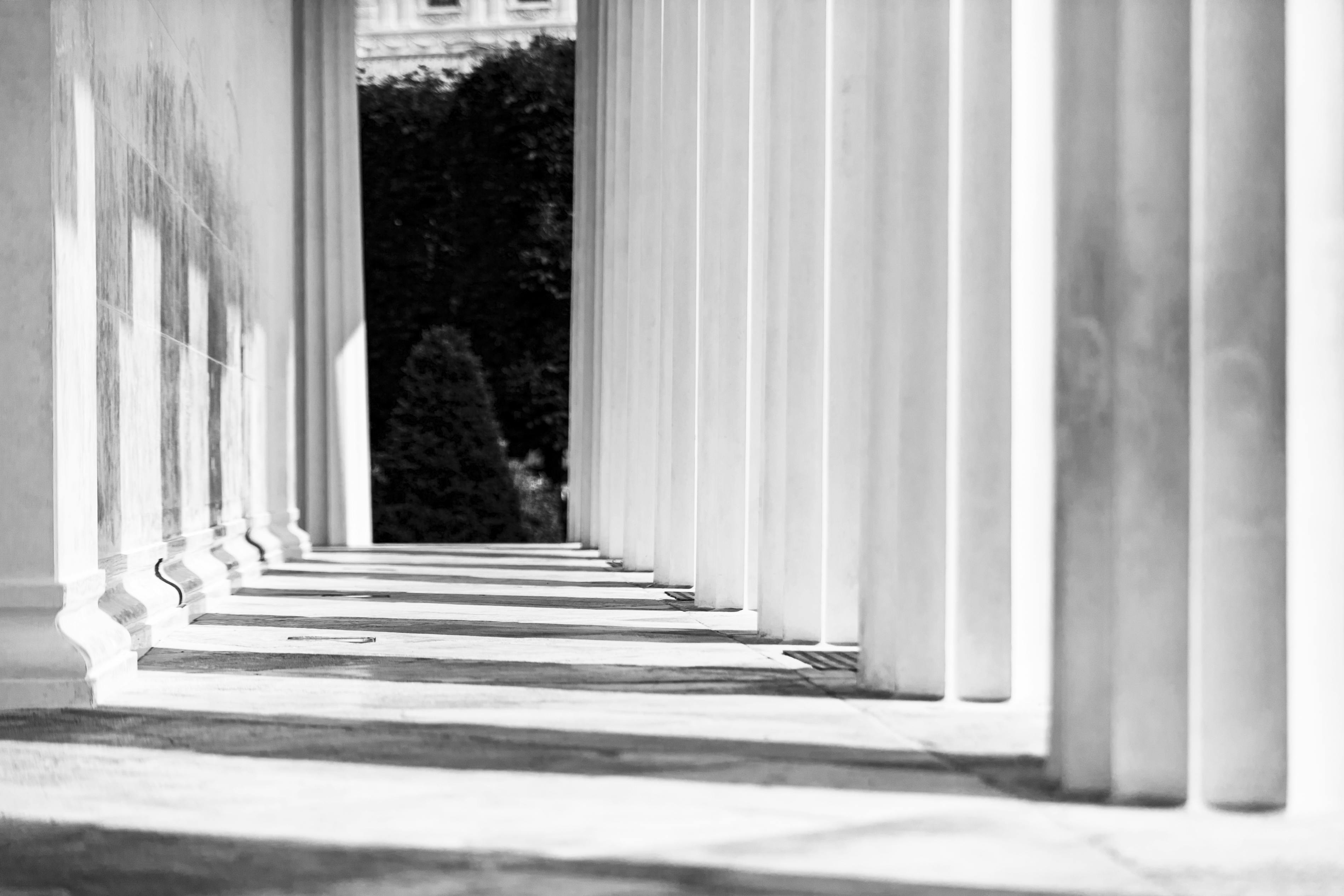
Nestled at the crossroads of history, culture, and modern sophistication, Vienna stands out as one of Europe’s most captivating destinations. Known as the City of Music, Vienna’s rich heritage is woven into its stunning architecture, world-class art scenes, and vibrant cultural life. From imperial palaces to bustling markets, the city offers a seamless blend of past and present that appeals to every traveler’s curiosity. Its unique atmosphere combines a sense of grandeur with cozy charm, inviting visitors to explore its labyrinth of narrow streets, lush parks, and lively neighborhoods. Whether you’re drawn by its legendary musical legacy, exquisite cuisine, or its reputation as a hub for intellectual and artistic innovation, Vienna promises an unforgettable experience. This guide will take you through the highlights that make Vienna a must-visit city in Europe, offering insights into its history, culture, and hidden gems. Prepare to immerse yourself in a destination where every corner tells a story and every moment feels like stepping into a living masterpiece.
Traveling with family? Keep everyone happy with kid-friendly content, action-packed blockbusters, and binge-worthy series. Start your free Prime Video trial today!
Top Attractions in Vienna
Vienna, Austria’s capital, is a city where history, art, and culture intertwine seamlessly. Its majestic palaces, vibrant museums, and historic streets make it a must-visit destination for travelers seeking a blend of imperial grandeur and modern sophistication. Here, we explore the top three attractions that capture the essence of Vienna’s charm, offering visitors a memorable journey into its rich heritage.
1. Schönbrunn Palace
Overview and Significance
Located in the Hietzing district, Schönbrunn Palace stands as a testament to Austria’s imperial past. Once the summer residence of the Habsburg monarchy, this UNESCO World Heritage site attracts millions annually. Its grandeur, sprawling gardens, and historical significance make it a cornerstone of Vienna’s cultural landscape.
Main Features
The palace boasts 1,441 rooms, each reflecting the opulence of the Habsburg dynasty. Visitors can explore the State Rooms, which are decorated with exquisite furnishings, frescoes, and chandeliers. The Hall of Mirrors, used for court ceremonies, is particularly impressive. The palace’s architecture blends Baroque elegance with imperial grandeur, offering a glimpse into aristocratic life centuries ago.
Beyond the interiors, the extensive gardens are a highlight. They feature beautifully manicured lawns, ornate fountains, and the impressive Gloriette structure, which offers panoramic views of Vienna. The Palm House and the Desert House within the gardens showcase exotic plants, adding botanical diversity to the site.
Why Visit?
Visiting Schönbrunn Palace provides a unique insight into Austria’s imperial history. The combination of lavish interiors and scenic gardens offers a comprehensive experience, appealing to history enthusiasts, architecture lovers, and nature admirers alike. The palace also hosts seasonal events, concerts, and exhibitions, enriching the visitor experience.
Practical Information
- Address: Schönbrunner Schloßstraße 47, 1130 Vienna
- Opening Hours: Generally 8:30 am to 5:30 pm, but varies seasonally
- Tickets: Available online or at the entrance; guided tours recommended for full experience
- Accessibility: Fully accessible for visitors with mobility impairments
2. St. Stephen’s Cathedral (Stephansdom)
Introduction and Cultural Importance
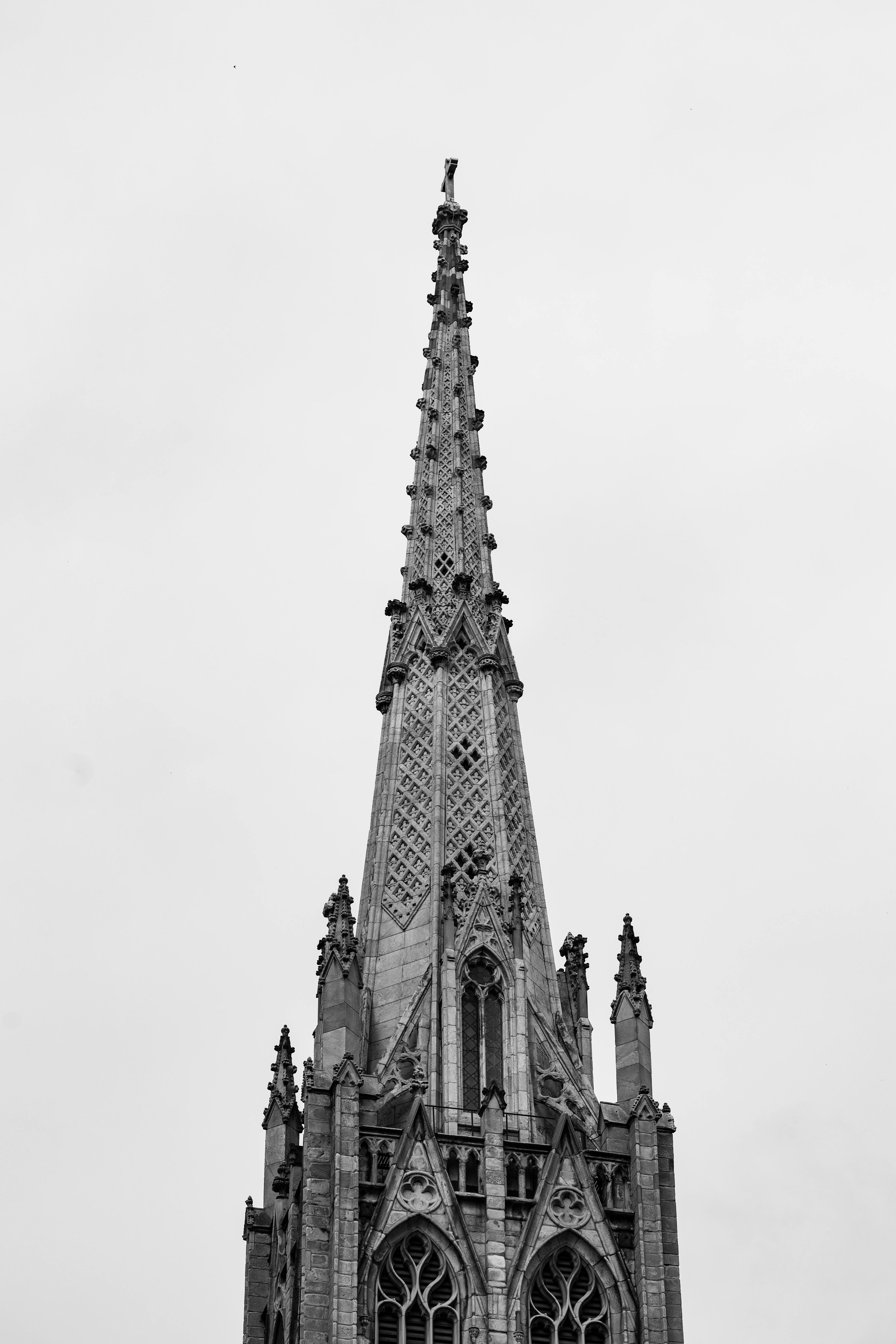
Standing proudly in Vienna’s city center, St. Stephen’s Cathedral is a symbol of the city’s spiritual and historical identity. As the most significant Gothic church in Austria, it has witnessed centuries of religious, political, and cultural events. Its distinctive spire and intricate façade make it a must-see landmark for visitors exploring Vienna’s historic core.
Main Features
The cathedral’s architecture is a masterpiece of Gothic design, characterized by its towering spire reaching 136 meters, which dominates the city skyline. Inside, visitors are greeted with stunning stained glass windows, medieval frescoes, and a magnificent altar. The catacombs beneath the church reveal layers of history, including relics and tombs of notable figures.
One of the highlights is climbing the 343 steps to the South Tower’s observation platform. From here, visitors enjoy sweeping views of Vienna’s rooftops, the Danube River, and beyond. The Pummerin bell, housed in the tower, is one of the largest in Central Europe and rings during special celebrations, echoing through the city.
Why Visit?
St. Stephen’s Cathedral offers more than just architectural splendor; it provides a spiritual experience and a chance to connect with Vienna’s history. Attending a service or concert within its walls adds a layer of cultural depth. The panoramic view from the tower is an unforgettable experience, especially for photography enthusiasts.
Practical Information
- Address: Stephansplatz 3, 1010 Vienna
- Opening Hours: Generally 6 am to 10 pm; guided tours available
- Tickets: Entry is free; tower climb and catacomb visits require tickets
- Accessibility: Limited access to certain areas; elevator available for some parts
3. The Hofburg Palace
Historical and Cultural Significance
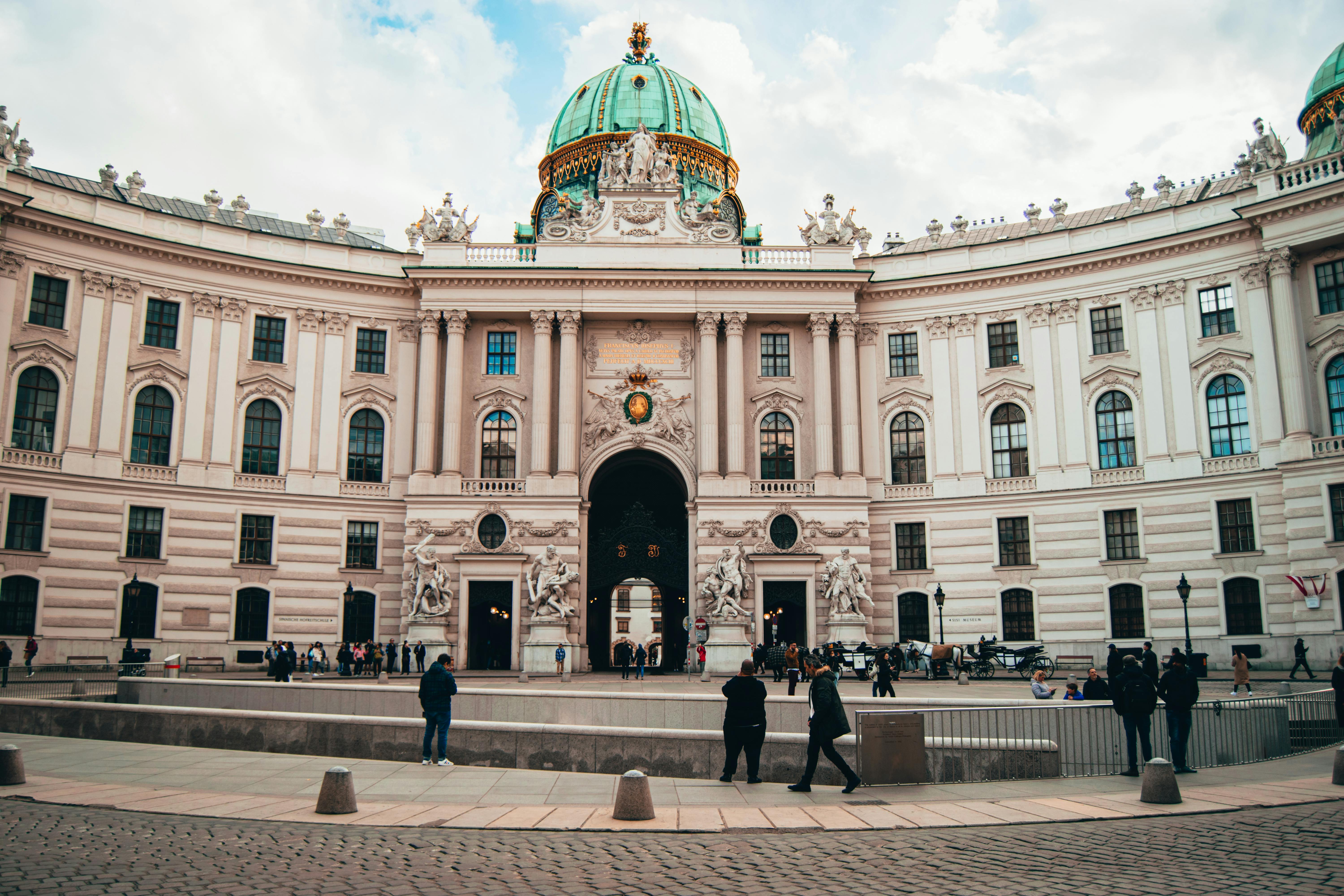
The Hofburg Palace, situated in Vienna’s city center, served as the imperial winter residence for centuries. Today, it functions as the official residence of the Austrian President and houses numerous museums, including the Imperial Apartments, Sisi Museum, and the Spanish Riding School. The palace complex embodies Austria’s imperial legacy and artistic heritage.
Main Features
The architecture of the Hofburg is a fascinating amalgamation of styles, reflecting its long history of expansion and renovation. Visitors can explore the Imperial Apartments, which are decorated with lavish furnishings, exquisite artworks, and period-specific décor, offering a glimpse into the life of Austria’s monarchy.
The Sisi Museum is dedicated to Empress Elisabeth, showcasing personal artifacts, photographs, and clothing, providing insight into her life and influence. The Imperial Silver Collection displays elaborate tableware used during court banquets, illustrating the grandeur of imperial ceremonies.
The Hofburg also hosts the Spanish Riding School, renowned for its Lipizzaner horses and classical dressage performances. Attending a matinée or performance here is a unique experience that combines equestrian art with imperial tradition.
Why Visit?
The Hofburg Palace encapsulates Vienna’s imperial history and artistic achievements. Its diverse museums and cultural institutions make it a comprehensive destination for history buffs, art lovers, and those interested in royal life. The grandeur of its architecture and the elegance of its interiors leave a lasting impression on visitors.
Practical Information
- Address: Michaelerkuppel, 1010 Vienna
- Opening Hours: Varies by museum; generally 9 am to 5 pm
- Tickets: Combo tickets available for multiple attractions within the complex
- Accessibility: Fully accessible for visitors with mobility impairments
Conclusion
Vienna’s top attractions offer a rich tapestry of history, art, and culture. Whether wandering through the imperial splendor of Schönbrunn Palace, marveling at the Gothic majesty of St. Stephen’s Cathedral, or exploring the grandeur of the Hofburg Palace, visitors are immersed in the city’s imperial legacy. Each site provides a unique perspective on Vienna’s past and present, making the city a captivating destination for every traveler.
When Is the Best Time to Visit Vienna?
Understanding the Climate and Weather
Vienna experiences a temperate oceanic climate, with warm summers and cold winters. The summer months, from June to August, are characterized by average temperatures ranging between 20°C and 25°C, making it ideal for outdoor activities and exploring the city’s historic sites. Spring (March to May) and autumn (September to November) offer mild weather, with temperatures generally between 10°C and 20°C, perfect for leisurely walks and enjoying Vienna’s vibrant cultural scene. Winters, especially December and January, can be quite cold, often dropping below freezing, but they also bring a magical atmosphere, especially during the festive Christmas markets.
Peak Tourist Seasons and Off-Peak Benefits
Vienna’s peak tourist season coincides with the summer months and the Christmas holiday period. During these times, popular attractions can be crowded, and accommodation prices tend to rise. However, visiting during these peak times offers the chance to experience lively festivals, open-air concerts, and Christmas markets that are unique to Vienna’s cultural calendar.
In contrast, the off-peak seasons—late autumn (November) and early spring (March)—provide a quieter experience. Travelers can enjoy shorter lines at museums, more affordable accommodation options, and a more authentic local atmosphere. Additionally, visiting during these months allows for a more relaxed exploration of the city’s hidden gems without the crowds.
Practical Tips for Timing Your Visit
- Summer (June to August): Ideal for outdoor festivals and warm weather, but expect crowds and higher prices.
- Winter (December to February): Perfect for festive markets and winter charm, though prepare for cold weather.
- Spring and Autumn: Best for mild weather, fewer tourists, and a more intimate experience.
Summary of Pros and Cons
| Timing | Pros | Cons |
|---|---|---|
| Summer (June – August) |
|
|
| Winter (December – February) |
|
|
| Spring & Autumn (March – May, September – November) |
|
|
Ultimately, the best time to visit Vienna depends on your preferences. Whether you seek vibrant festivals, peaceful exploration, or cozy winter scenes, Vienna offers a compelling experience year-round. Consider your priorities, weather tolerance, and budget to choose the perfect time for your European city adventure.
Getting to Vienna: Your Guide to Transportation Options
Vienna, the vibrant capital of Austria, is well-connected through various transportation means, making it accessible from many European cities and beyond. Whether you prefer flying, train travel, buses, or renting a car, there are convenient options tailored to different travel preferences.
Flights to Vienna
The easiest way to reach Vienna from international destinations is by air. Vienna International Airport (Flughafen Wien-Schwechat) is a major hub serving numerous airlines. Direct flights are available from major cities across Europe, North America, and Asia. Once you arrive, the airport offers efficient public transportation options to the city center, including trains, buses, and taxis.
Traveling by Train
Vienna’s central location in Europe makes train travel an excellent option. The city is served by extensive rail networks connecting it to neighboring countries such as Germany, Hungary, Czech Republic, and Italy. The high-speed trains, operated by providers like ÖBB, Deutsche Bahn, and EuroCity, offer comfortable and scenic journeys. Trains arrive at Vienna Hauptbahnhof, the main station, which is centrally located and well-equipped with facilities.
For added convenience, consider purchasing tickets in advance online. This often guarantees better fares and seat reservations, especially during peak travel seasons.
Bus and Coach Services
Long-distance buses provide an economical alternative for reaching Vienna from various European cities. Companies like FlixBus and Eurolines operate frequent routes, often arriving at Vienna’s international bus station. Buses are equipped with amenities such as Wi-Fi, restrooms, and comfortable seating, making them a reliable budget-friendly option.
Car Rentals and Driving Tips
If you prefer flexibility, renting a car is a practical choice, especially for exploring surrounding regions. Major rental companies operate at Vienna Airport and city centers. Keep in mind that parking in the city can be challenging and expensive, and Austria’s traffic rules should be followed carefully. Additionally, some city zones have low-emission restrictions, so plan your routes accordingly.
Travel Tips and Important Information
- Check visa requirements if traveling from outside the Schengen Area.
- Book transportation tickets in advance during peak seasons to secure better prices.
- Consider using Vienna’s excellent public transport system—trams, buses, and the metro—for easy city travel.
- Always carry a valid ID or passport, especially when crossing borders by train or bus.
By exploring these various options, travelers can choose the most convenient and cost-effective way to reach Vienna, ensuring a smooth start to their European adventure.
Best Places to Stay in Vienna: Accommodations for Every Budget
Vienna, a city renowned for its imperial grandeur and vibrant cultural scene, offers a wide spectrum of accommodations that cater to all types of travelers. Whether you seek the luxury of a five-star hotel, a cozy mid-range boutique, or an affordable hostel, Vienna’s diverse lodging options ensure a memorable stay. Here, we explore the best places to stay across different budgets, each offering a unique experience rooted in the city’s historic charm and modern comforts.
Luxury Options: Indulge in Vienna’s Finest
For travelers who desire opulence and exceptional service, Vienna’s luxury hotels are unrivaled. These establishments often occupy historic buildings and boast stunning architecture, world-class amenities, and personalized service. The Hotel Sacher Wien stands out as an iconic choice. Located near the State Opera, it combines traditional Viennese elegance with modern luxury. The hotel’s famous Sacher-Torte and luxurious rooms make it a true city landmark.
Another excellent option is The Ritz-Carlton Vienna, situated in a beautifully restored 19th-century building. It offers spacious rooms with contemporary design, a rooftop terrace with panoramic city views, and a renowned spa, perfect for unwinding after exploring Vienna’s cultural treasures.
Mid-Range Gems: Comfort Meets Charm
If you seek comfort without the steep price tag, Vienna’s mid-range hotels deliver excellent value. 25hours Hotel at MuseumsQuartier is a boutique hotel that combines playful design with a prime location near the city’s major museums. Its vibrant decor and lively atmosphere appeal to modern travelers wanting to experience Vienna’s creative side.
Another notable choice is Hotel Beethoven Wien. Located close to the Naschmarkt, it offers elegant rooms with a classical touch, complemented by friendly service and a cozy ambiance. These hotels provide a perfect balance of affordability and quality, making them ideal for exploring the city’s cultural and historical sites.
Budget Stays: Affordable and Authentic
For travelers on a budget, Vienna offers numerous hostels and guesthouses that provide comfort without breaking the bank. Wombat’s City Hostel Vienna is a popular choice among backpackers. Situated near the Westbahnhof station, it features modern dormitories, a lively bar, and communal spaces that foster social interactions.
Additionally, Do Step Inn Hostel offers private rooms and dormitories in a central location. Its friendly atmosphere and clean facilities make it a practical choice for budget-conscious visitors eager to experience Vienna’s vibrant neighborhoods without overspending.
In summary, Vienna’s diverse accommodations ensure that every traveler finds a perfect home away from home. Whether indulging in luxury, enjoying mid-range comfort, or embracing budget-friendly options, the city’s hotels and hostels reflect its rich history and dynamic modern spirit—truly a city in Europe that caters to all tastes and budgets.
Essential Travel Products for Visiting Vienna
Vienna City Pass: Unlock the Best of Austria’s Capital
The Vienna City Pass is an invaluable tool for travelers eager to explore the city comprehensively and economically. This all-in-one ticket grants access to over 60 attractions, including iconic sites like Schönbrunn Palace, the Kunsthistorisches Museum, and the Vienna State Opera. One of its standout features is the inclusion of unlimited hop-on-hop-off bus tours, which make navigating the city’s sprawling cultural landscape effortless. Additionally, the pass offers skip-the-line privileges at many popular venues, saving precious time during busy seasons. Its validity spans multiple days, allowing visitors to customize their sightseeing schedule without the stress of individual ticket purchases. For convenience, the pass can be purchased online through official vendors or at designated kiosks throughout Vienna, ensuring tourists can start exploring immediately upon arrival. This product is particularly useful for first-time visitors who want to maximize their time and budget while immersing themselves fully in Vienna’s rich history and art scene.
Compact Travel Adapter with USB Ports
Traveling across Europe, especially to Vienna, requires a reliable power adapter. The Compact Travel Adapter with USB Ports is designed specifically for international travelers, featuring compatibility with European outlets and multiple USB ports for charging smartphones, tablets, and other devices simultaneously. Its sleek, lightweight design makes it easy to pack in carry-on luggage or a daypack. This adapter ensures that travelers stay connected, whether capturing photos at Schönbrunn Palace or navigating the city’s public transport system via smartphone apps. Moreover, many models include surge protection, safeguarding your devices from voltage fluctuations common in older European infrastructure. You can find this versatile product at major electronics retailers like Amazon, Best Buy, or travel specialty stores. Investing in a high-quality travel adapter is crucial for a smooth, frustration-free trip to Vienna, especially given the city’s reliance on digital navigation and communication tools.
Guidebooks for Exploring Vienna
Top Travel Guides Available on Kindle Unlimited and Audible
For travelers who prefer a comprehensive, portable resource, guidebooks are indispensable. Fortunately, several excellent options are available on Kindle Unlimited and Audible, making them accessible for digital reading and listening during your Vienna adventure.
Vienna: A Cultural History by Peter Gay (Kindle Unlimited & Audible)
This engaging book offers a deep dive into Vienna’s rich cultural tapestry. It explores the city’s evolution from the Habsburg Empire to modern times, highlighting its artistic, musical, and intellectual achievements. Ideal for history buffs, this guide helps visitors understand Vienna’s unique atmosphere, enhancing visits to landmarks like the Hofburg Palace or the Vienna Philharmonic. The narration on Audible adds an immersive experience, bringing Vienna’s storied past to life through vivid storytelling.
Lonely Planet Vienna (Kindle & Audible)
As a classic travel companion, Lonely Planet’s Vienna guide provides practical tips, detailed maps, and curated itineraries. It covers everything from must-see attractions to hidden gems, perfect for travelers seeking both popular sights and off-the-beaten-path experiences. The book’s user-friendly layout and concise descriptions make planning straightforward, while the Audible version allows for easy listening during commutes or walks through the city. This guide is especially useful for first-time visitors who want a well-rounded overview of Vienna’s diverse neighborhoods and cultural highlights.
Rick Steves Vienna & the Danube River Valley (Audible)
Renowned travel author Rick Steves offers a warm, personable guide to Vienna’s art, architecture, and local life. His insights emphasize cultural etiquette, local dining spots, and day trips beyond the city, such as excursions along the Danube River. The audiobook format makes it convenient for travelers to absorb tips while on the move, enriching their experience with authentic stories and practical advice. This guide is perfect for travelers who want to immerse themselves in Vienna’s vibrant atmosphere while gaining a deeper understanding of its history and customs.
By combining these insightful guidebooks with essential travel products, visitors can ensure a seamless, enriching experience in Vienna. Whether exploring iconic landmarks or discovering hidden corners, these resources will help you make the most of your journey through this magnificent European city.
Traveling light? Leave the heavy books at home! Kindle Unlimited lets you access thousands of travel guides, hiking maps, and language books digitally—so you’ll always have the information you need right in your pocket. Start your free trial today!
Frequently Asked Questions About Visiting Vienna
What is the best time of year to visit Vienna?
Vienna offers a captivating experience year-round, but the ideal time depends on your interests. Spring (April to June) is perfect for enjoying blooming gardens and outdoor cafes, while autumn (September to November) provides a picturesque setting with colorful foliage. Summer (July and August) features lively festivals and outdoor concerts, although it can be busier with tourists. Winter (December to February) transforms the city into a fairy-tale scene adorned with Christmas markets, making it a magical time for visitors seeking festive cheer. Keep in mind that during major events like the Vienna Opera Ball or New Year’s celebrations, accommodations and tickets may require early booking.
How can I get around Vienna efficiently?
Vienna boasts an extensive, reliable public transportation system, making it easy to explore the city. The core options include:
- U-Bahn (subway): Fast and frequent, covering most major attractions.
- Trams: Ideal for scenic routes and reaching neighborhoods outside the city center.
- Buses: Complement the tram and U-Bahn network, especially in less accessible areas.
- Biking: Vienna is bike-friendly, with dedicated lanes and bike rental stations available throughout the city.
For convenience, consider purchasing an Vienna Card or a daily travel pass, which offers unlimited rides. Walking is also enjoyable, especially in the city center where many attractions are within close proximity.
What are must-visit attractions in Vienna?
Vienna’s rich history and vibrant culture are reflected in its numerous landmarks. Top sights include:
- Schönbrunn Palace: The former imperial summer residence with stunning gardens.
- St. Stephen’s Cathedral: An iconic Gothic masterpiece in the heart of the city.
- Belvedere Palace: Home to Gustav Klimt’s “The Kiss” and beautiful baroque architecture.
- The Hofburg Palace: The former imperial palace housing museums and the Austrian National Library.
- Vienna State Opera: Attend a performance or take a guided tour to explore its grandeur.
Additionally, exploring neighborhoods like MuseumsQuartier and Naschmarkt offers a taste of local life, art, and cuisine.
Are there any cultural tips I should know before visiting Vienna?
Yes, understanding local customs can enrich your experience. Austrians value politeness, punctuality, and formality. When greeting, a firm handshake and direct eye contact are customary. Using basic German phrases like Hallo (Hello) or Danke (Thank you) is appreciated, even if many speak English. Tipping around 5-10% in cafes or restaurants is customary if service isn’t included. Also, be respectful of local etiquette in religious sites, such as dressing modestly when visiting churches or palaces. Lastly, embracing the café culture by savoring a coffee and pastry in traditional coffeehouses adds a genuine Viennese touch to your visit.
What practical tips can help me enjoy Vienna on a budget?
Vienna can be affordable if you plan ahead. Consider these tips:
- City passes: The Vienna Pass offers free entry to many attractions and unlimited public transport.
- Free attractions: Many parks, markets, and museums have free entry or discounted days.
- Eat like a local: Try traditional street food or visit local markets for affordable meals.
- Accommodation: Opt for hostels, guesthouses, or Airbnb options outside the city center for better rates.
By planning your activities and meals, you can experience Vienna’s rich culture without overspending, making your trip both memorable and economical.
Book smarter – cashback on 100s of travel brands!
Discover the Magic of Vienna: Your Next European Adventure
Vienna stands out as a captivating city that seamlessly blends rich history, vibrant culture, and modern elegance. From its stunning imperial architecture and world-renowned museums to lively markets and cozy cafés, Vienna offers a diverse array of experiences for every traveler. The city’s well-preserved historic sites, such as the Hofburg Palace and St. Stephen’s Cathedral, serve as timeless reminders of its imperial past, while contemporary art and music scenes keep it lively and relevant today.
Key Highlights to Explore
- Architectural Marvels: Discover baroque palaces, Gothic cathedrals, and Art Nouveau buildings that tell stories of Vienna’s artistic evolution.
- Cultural Experiences: Attend classical concerts, visit renowned museums like the Kunsthistorisches Museum, or stroll through lively neighborhoods like the Naschmarkt.
- Local Cuisine: Savor traditional dishes such as Wiener Schnitzel, Sachertorte, and aromatic coffee at historic cafés.
Why Visit Vienna Now?
Unlike many European cities, Vienna offers a unique blend of old-world charm and contemporary vibrancy. Its compact size makes it easy to explore on foot or by bike, while its efficient public transport system ensures you can access hidden gems beyond the main sights. Whether you’re a history enthusiast, a music lover, or simply seeking a city that exudes elegance and warmth, Vienna promises an unforgettable experience.
Begin Your Journey Today
Now is the perfect time to immerse yourself in Vienna’s enchanting atmosphere. Plan your visit, explore its diverse neighborhoods, and indulge in its cultural riches. Remember, the city is best enjoyed with an open mind and a curious spirit. So, why wait? Embark on your Viennese adventure and create memories that will last a lifetime.