Explore the Enchanting Allure of Paris
Discover the Charm of Paris: A Timeless European City
Explore the Enchanting Allure of Paris
Nestled along the Seine River, Paris stands as a beacon of culture, history, and elegance in the heart of Europe. Known worldwide as the City of Light, it effortlessly combines centuries-old architecture with a vibrant modern energy. From its iconic boulevards and historic landmarks to its world-renowned cuisine and artistic heritage, Paris offers an experience unlike any other. This city is a living museum, where every corner reveals stories of revolution, romance, and innovation. Its unique blend of tradition and contemporary flair makes Paris a must-visit destination for travelers seeking inspiration, sophistication, and a touch of magic.
In this comprehensive guide, you will discover what makes Paris truly special as a European city. Expect insights into its cultural landscape, hidden gems, local customs, and tips for navigating its bustling streets. Whether you’re a first-time visitor or a seasoned explorer, this article will help you uncover the essence of Paris, ensuring your journey is memorable and enriching.
Don’t let boredom ruin your trip! Get access to thousands of shows & movies – free Prime Video trial!
Eiffel Tower: The Iconic Symbol of Paris
Introduction and Location
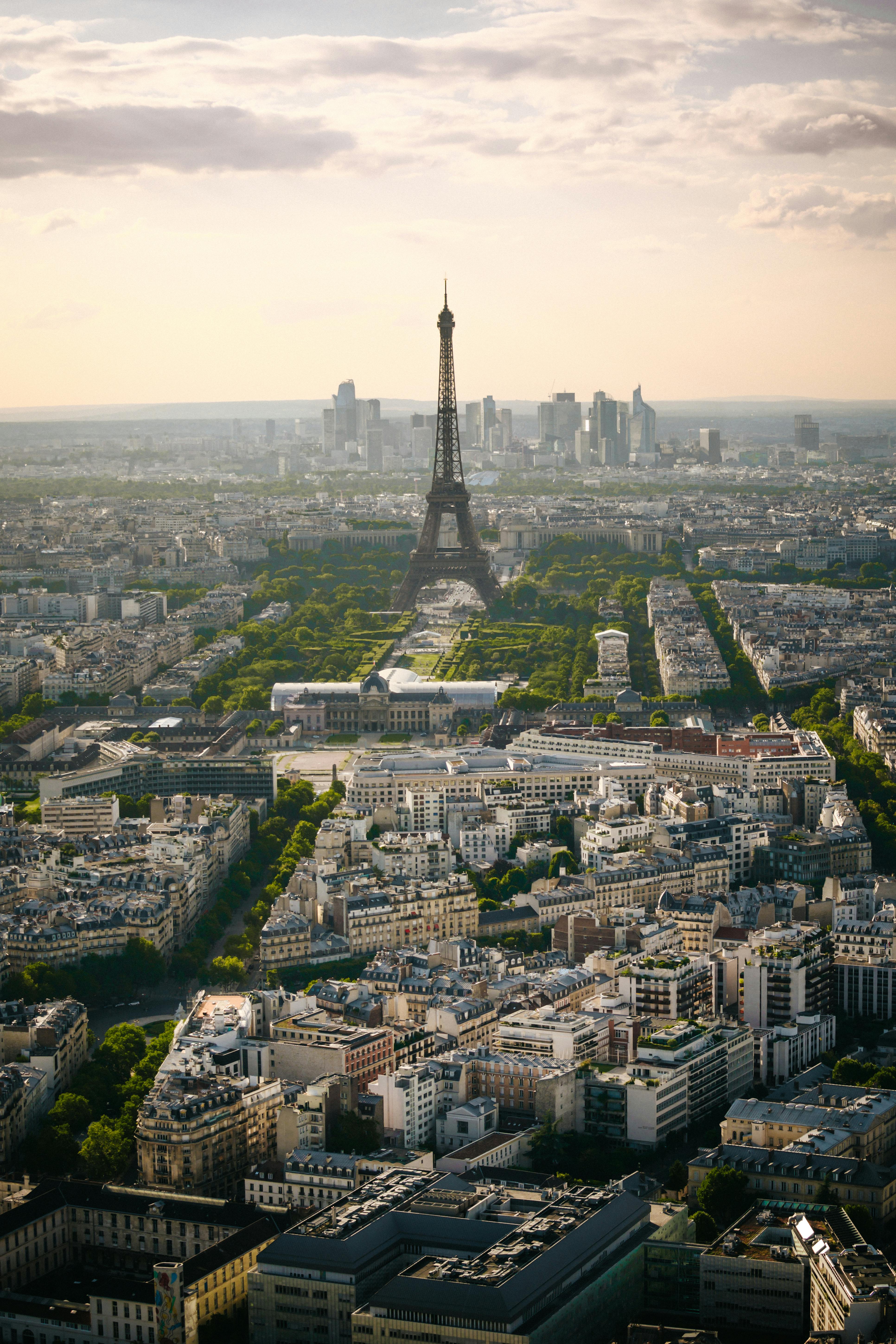
The Eiffel Tower, known locally as La Tour Eiffel, stands as the most recognizable symbol of Paris and France. Situated on the Champ de Mars near the Seine River’s Left Bank, this architectural marvel offers visitors a chance to experience the city from a breathtaking vantage point. Its central location makes it easily accessible from various parts of Paris, whether arriving by metro, bus, or on foot.
Historical Significance and Main Features
Constructed for the 1889 Exposition Universelle, the Eiffel Tower was initially met with mixed reactions but has since become a beloved landmark. Standing at 330 meters tall, it was the tallest man-made structure until 1930. The tower comprises three levels accessible to visitors, each offering unique experiences.
- First Level: Features exhibitions, restaurants, and shops, along with panoramic views of Paris.
- Second Level: Offers an observation deck with spectacular vistas, ideal for photography enthusiasts.
- Summit: Provides a close-up view of Paris’s rooftops and the opportunity to learn about the tower’s history through exhibits.
The tower’s intricate lattice design is not only aesthetically striking but also a testament to engineering innovation of its time. Illuminated at night, it becomes a shimmering beacon that embodies the city’s romantic charm.
Why It’s Worth Visiting
The Eiffel Tower is more than just a photo opportunity; it’s a symbol of Paris’s artistic and technological achievements. Visiting allows travelers to appreciate the city’s skyline, enjoy fine dining in its restaurants, and gain insight into France’s history. For those seeking memorable views, the ascent to the top is a must-do activity that offers unparalleled perspectives of Paris’s landmarks and the Seine.
Practical Information for Visitors
- Opening Hours: Typically from 9:30 AM to 11:45 PM, but hours vary seasonally.
- Tickets: Available online or on-site; booking in advance is recommended during peak seasons.
- Accessibility: Elevators serve all levels, including accessible routes for visitors with mobility challenges.
- Best Time to Visit: Early mornings or late evenings to avoid crowds and enjoy the illuminated views.
Louvre Museum: The World’s Largest Art Repository
Introduction and Location
The Louvre Museum, or Musée du Louvre, is nestled along the right bank of the Seine River, occupying a historic former royal palace. Its central location in the 1st arrondissement makes it a cultural hub that attracts millions of visitors annually. The museum’s grand architecture, blending historic and modern elements, reflects centuries of artistic evolution and royal grandeur.
Historical Significance and Main Features
Founded in 1793 during the French Revolution, the Louvre has grown into a symbol of art, history, and culture. It houses over 380,000 objects, with around 35,000 displayed in its galleries. The museum’s extensive collection spans from ancient civilizations to contemporary art, making it a comprehensive cultural experience.
- Denon Wing: Home to masterpieces like Leonardo da Vinci’s Mona Lisa and the Winged Victory of Samothrace.
- Sully Wing: Features Egyptian antiquities, medieval sculptures, and French paintings.
- Richelieu Wing: Contains decorative arts, French paintings, and the Napoleon Collection.
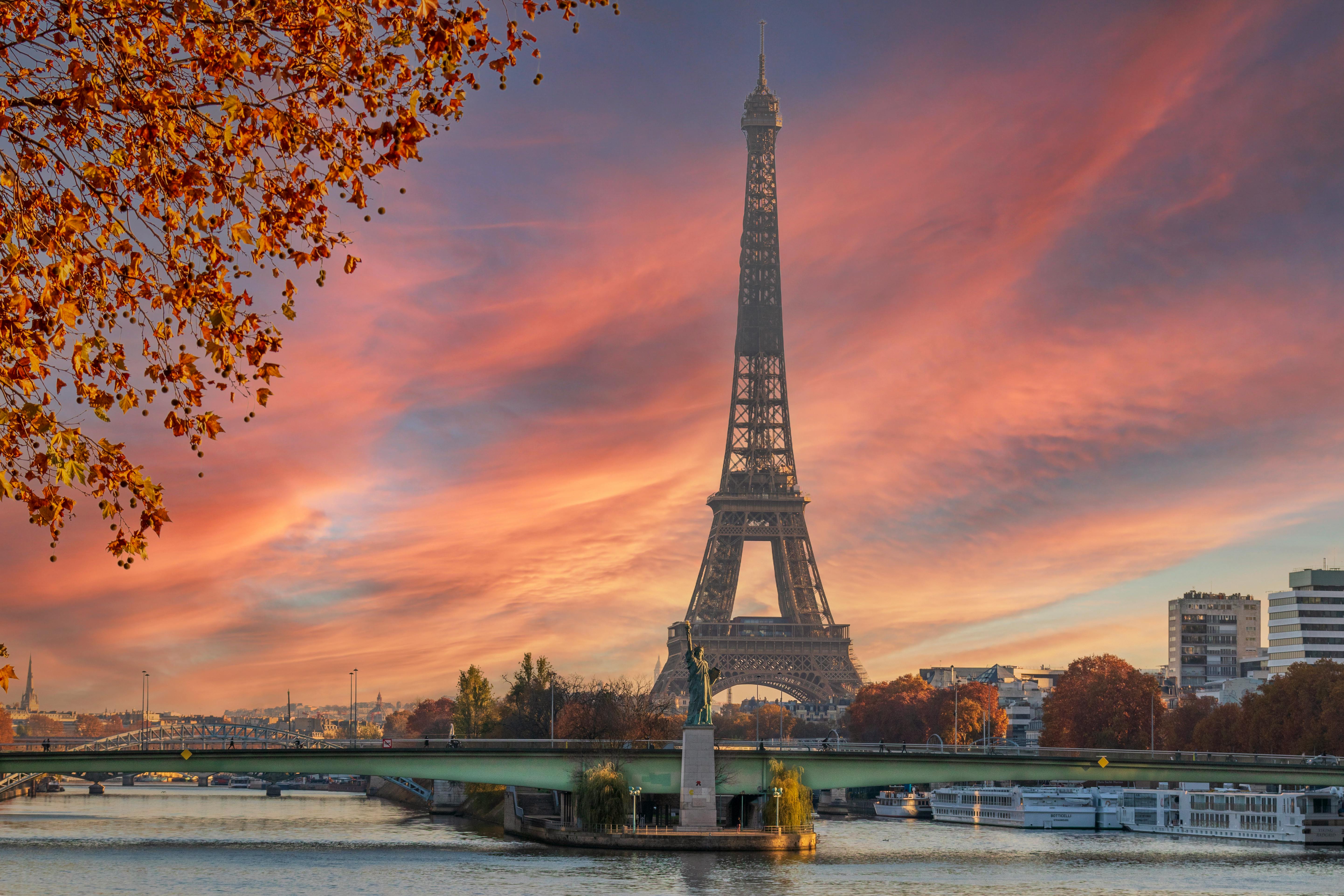
The museum’s architecture is a blend of the historic Louvre Palace and modern glass pyramids, designed by I. M. Pei. The glass pyramid entrance is a striking contrast and a popular photo spot.
Why It’s Worth Visiting
Visiting the Louvre offers an unparalleled journey through art history. From ancient Egyptian artifacts to Renaissance masterpieces, the museum’s collection is a treasure trove for art lovers and history buffs alike. The sheer scale and diversity ensure that each visitor finds something inspiring and educational. Moreover, the museum’s central location makes it an ideal starting point for exploring other Parisian attractions.
Practical Information for Visitors
- Opening Hours: Usually open every day except Tuesdays, from 9 AM to 6 PM, with extended hours on Wednesdays and Fridays.
- Tickets: Purchase online in advance to skip long lines; discounts available for students and seniors.
- Guided Tours: Available for those seeking deeper insights into specific collections or periods.
- Accessibility: Fully accessible with elevators and adapted facilities.
Notre-Dame Cathedral: Gothic Masterpiece and Historic Landmark
Introduction and Location
Perched on the Île de la Cité in the heart of Paris, Notre-Dame de Paris stands as a testament to medieval Gothic architecture. Its central position on the Seine makes it easily accessible from various parts of the city. The cathedral’s imposing presence and intricate façade have made it an iconic symbol of Paris’s religious and cultural history.
Historical Significance and Main Features
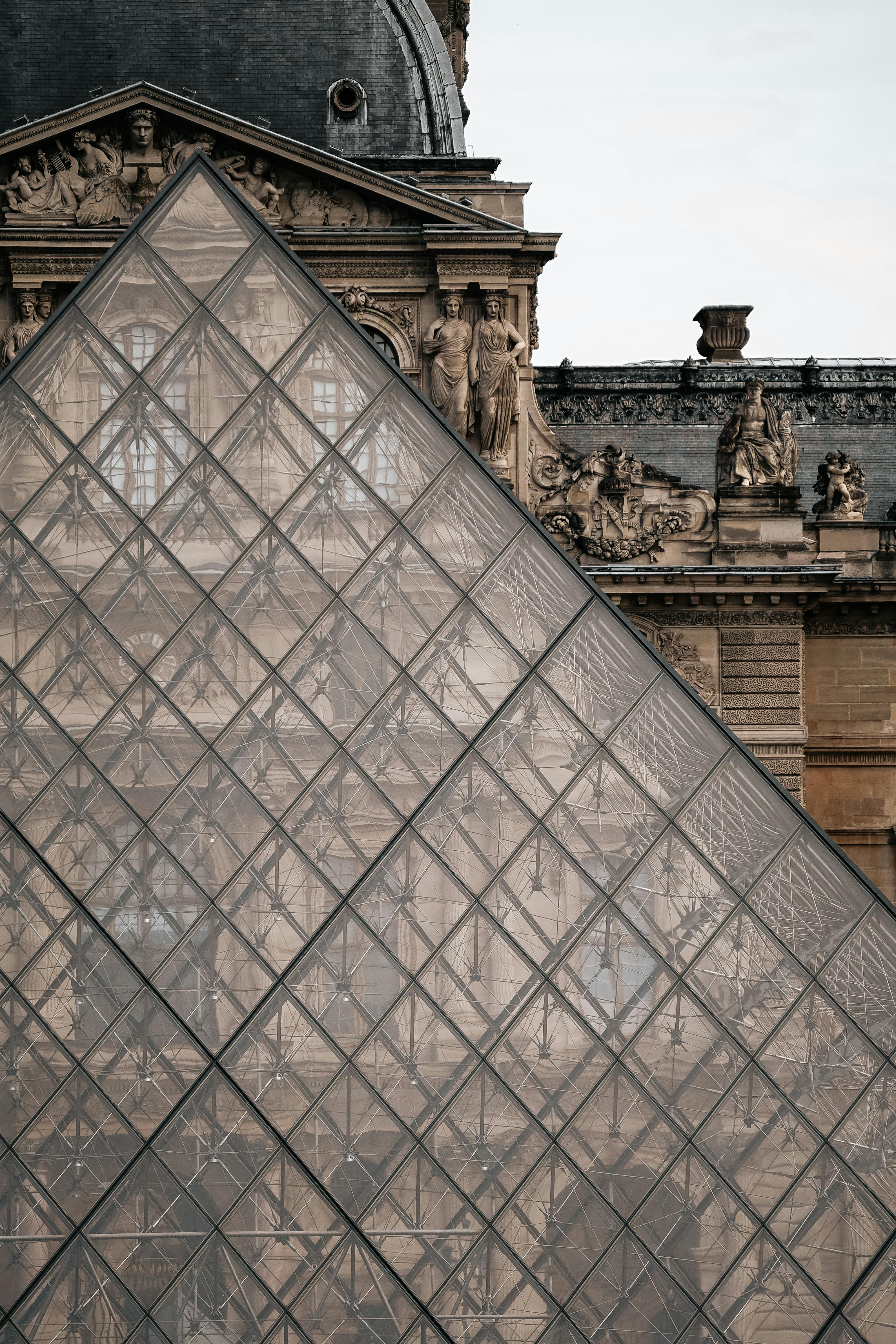
Construction of Notre-Dame began in 1163 and took nearly 200 years to complete. It has witnessed countless historic events, from royal ceremonies to revolutionary upheavals. The cathedral’s façade is adorned with detailed sculptures depicting biblical stories, saints, and historical figures. Notable features include:
- Rose Windows: Three massive stained-glass windows, with the West Rose being the largest, flood the interior with colorful light.
- Flying Buttresses: Ingenious structural supports that allowed for higher walls and larger windows, exemplifying Gothic engineering.
- Interior: Features a grand nave, choir, and chapels, with stunning stained glass and religious artworks.
- Climbing the Towers: Offers panoramic views of Paris and a chance to see the famous gargoyles up close.
Despite damage from a fire in 2019, restoration efforts are ongoing, and the cathedral remains a symbol of resilience and faith.
Why It’s Worth Visiting
Visiting Notre-Dame provides a profound sense of history and spirituality. Its architectural innovations influenced countless Gothic structures across Europe. Climbing the towers rewards visitors with breathtaking views and the chance to observe the intricate sculptures and gargoyles. The cathedral’s stained glass and interior artworks offer a tranquil space for reflection amid the bustling city.
Practical Information for Visitors
- Opening Hours: Typically from 8 AM to 6:45 PM, but hours may vary due to restoration work.
- Entry: Free, but access to towers and certain areas may require tickets and timed reservations.
- Guided Tours: Available, often including access to the towers and crypts.
- Accessibility: Limited access due to historic architecture; check current facilities before visiting.
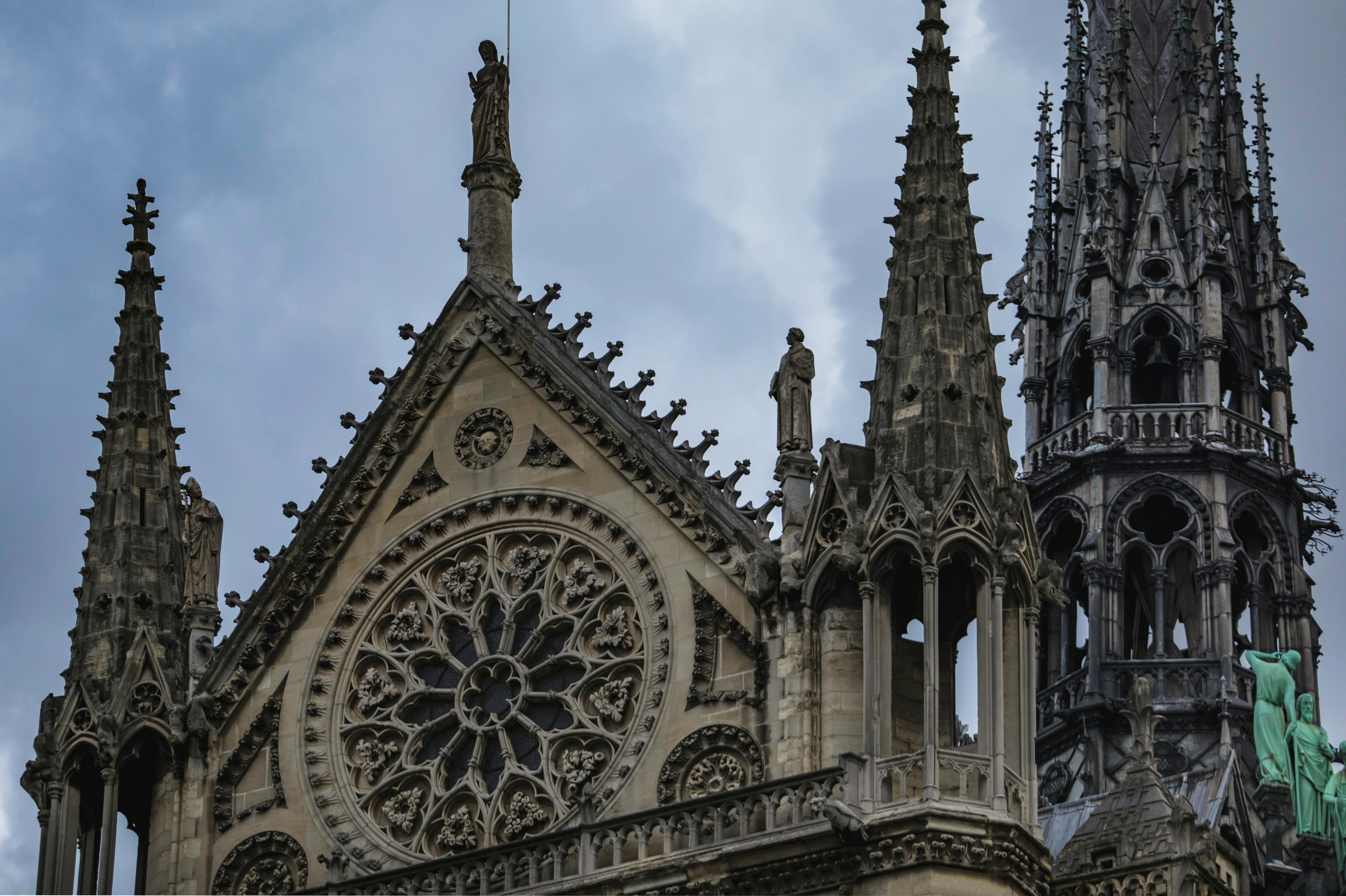
This comprehensive overview of Paris’s top attractions showcases their historical importance, architectural grandeur, and cultural significance. Visiting these sites offers travelers a deeper understanding of the city’s artistic legacy and vibrant history, enriching every journey through the City of Light.
Best Time to Visit Paris
Understanding the Climate and Seasons
Paris experiences a temperate climate with distinct seasons, making timing crucial for a memorable visit. Spring (March to May) and fall (September to November) are generally considered ideal for travelers. During these months, the weather is mild, with temperatures ranging from 10°C to 20°C (50°F to 68°F), and the city is bursting with vibrant blooms or colorful foliage. Summer (June to August) can be warm, often exceeding 25°C (77°F), but it also attracts the highest number of tourists. Winter (December to February) is colder, averaging around 3°C to 7°C (37°F to 45°F), yet offers a magical atmosphere, especially during the holiday season.
Peak Tourist Seasons and Off-Peak Benefits
The busiest time in Paris is during summer and major holidays such as Christmas and New Year. During these periods, attractions are crowded, and prices for accommodation and flights tend to soar. Conversely, visiting during the shoulder seasons—spring and fall—offers several advantages. You’ll encounter fewer crowds, shorter lines, and better deals on lodging. Additionally, the weather remains pleasant enough for outdoor activities like strolling along the Seine or exploring gardens and outdoor markets.
Practical Tips for Choosing the Best Time
- Spring (March to May): Ideal for experiencing blooming gardens and outdoor festivals. Expect moderate crowds and pleasant weather.
- Fall (September to November): Perfect for enjoying autumn foliage and fewer tourists. Temperatures are comfortable, and hotel prices drop slightly.
- Summer (June to August): Best for festivals and outdoor events but beware of crowds and higher costs.
- Winter (December to February): Great for holiday festivities and fewer visitors, though colder weather may require warmer clothing.
Summary Table: Pros and Cons of Visiting Paris at Different Times
| Season | Pros | Cons |
|---|---|---|
| Spring | Beautiful blooming gardens, mild weather, fewer crowds than summer | Unpredictable rain, some attractions may still be busy |
| Summer | Longer days, outdoor festivals, lively atmosphere | High prices, large crowds, hot weather possible |
| Fall | Autumn foliage, comfortable temperatures, less crowded | Shorter daylight hours, occasional rain |
| Winter | Festive holiday decorations, fewer tourists, lower prices | Cold weather, shorter days, some attractions may close early |
Ultimately, the best time to visit Paris depends on your preferences. If you seek lively outdoor experiences and mild weather, spring and fall are excellent choices. For holiday magic or summer festivals, plan accordingly, but be prepared for crowds and higher costs. By considering these factors, you can select the perfect time to enjoy the City of Light at its best.
How to Get to Paris: Your Ultimate Travel Guide
Paris, the iconic capital of France, is easily accessible from various parts of Europe and beyond. Whether you’re arriving from another European city or across the Atlantic, multiple transportation options make reaching Paris convenient and efficient. Understanding these options will help you plan your journey smoothly and enjoy your stay from the very beginning.
Flights to Paris
The most popular way to reach Paris from distant locations is by air. The city is served by three major airports: Charles de Gaulle Airport (CDG), Orly Airport (ORY), and Beauvais-Tille Airport (BVA). Charles de Gaulle is the primary international hub, handling most long-haul flights, while Orly caters to domestic and European flights. Beauvais-Tille is mainly used by budget airlines for low-cost European routes. When booking flights, consider arriving at Charles de Gaulle for the most extensive options and better amenities.
Traveling by Train
Paris is renowned for its efficient rail network, making train travel an excellent choice for travelers within Europe. The city’s main station, Gare du Nord, connects to major cities like London, Brussels, Amsterdam, and Cologne. High-speed trains such as the Eurostar and TGV offer quick, comfortable, and eco-friendly options, often reducing travel time significantly compared to driving or buses. Booking tickets in advance can secure better prices and availability.
For those exploring nearby countries, trains provide scenic routes and a chance to experience the European countryside. Additionally, train travel often drops you right into the city center, saving time and transportation costs.
Bus and Coach Services
Long-distance buses are a budget-friendly alternative to trains and flights. Several companies operate routes from major European cities directly to Paris, with stations typically located at Porte Maillot or Bercy. While buses take longer—often 6 to 10 hours—they are ideal for travelers on a tight budget or those seeking flexible schedules. Booking tickets online in advance is recommended to secure the best prices and seat availability.
Getting There by Car
If you prefer driving, Paris is accessible via an extensive network of highways. Renting a car provides flexibility, especially if you plan to explore the surrounding regions. Keep in mind, however, that traffic congestion and parking fees can be challenging within the city. Many travelers opt to park outside the city center and use public transportation to reach their accommodation.
For a smooth driving experience, ensure you are familiar with French traffic laws and have an international driving permit if required. Also, consider using toll calculators and GPS navigation to avoid delays.
Travel Tips and Important Information
- Check visa requirements if traveling from outside the Schengen Area.
- Travel during off-peak hours to avoid congestion, especially when driving or taking buses.
- Book tickets for flights and trains early to secure the best rates.
- Consider purchasing a Paris Visite pass for unlimited public transport use within the city.
In summary, whether you choose flying, train, bus, or driving, Paris offers multiple routes to suit your preferences and budget. Planning ahead ensures a stress-free arrival, allowing you to focus on enjoying the City of Light from the very first moment.
Best Places to Stay in Paris: Accommodations for Every Budget
Paris, often called the City of Light, offers a diverse range of accommodations that cater to every traveler’s needs. Whether you seek luxury, mid-range comfort, or budget-friendly options, the City of Paris promises memorable stays with its unique blend of history, elegance, and vibrant street life. Here, we explore the top choices across different budgets, helping you find the perfect place to rest during your European adventure.
Luxury Options: Indulge in Parisian Elegance
If opulence is your priority, Paris boasts some of the world’s most iconic luxury hotels. The Ritz Paris stands as a symbol of timeless sophistication, located in the heart of the Place Vendôme. Its luxurious rooms, world-renowned spa, and Michelin-starred dining make it an ideal choice for travelers seeking exclusivity and grandeur.
Another exceptional option is the Le Meurice. Situated near the Louvre, this hotel combines Belle Époque charm with modern amenities. Its elegant decor, impeccable service, and central location make it perfect for exploring Paris’s cultural treasures in style.
Mid-Range Comfort: Quality without Excess
For travelers seeking comfort and convenience without splurging, mid-range hotels provide excellent value. The Hôtel La Lanterne in Saint-Germain-des-Prés offers boutique charm with contemporary touches. Its cozy rooms and friendly atmosphere make it a favorite among travelers wanting an authentic Parisian experience.
The Hôtel Ekta provides a trendy, fashion-inspired ambiance just steps from the Champs-Élysées. Its stylish decor and personalized service ensure a memorable stay, perfect for those wanting to enjoy Paris’s vibrant neighborhoods without overspending.
Budget-Friendly Options: Discover Paris on a Shoestring
Travelers on a tighter budget can still enjoy the magic of Paris with affordable accommodations. The Generator Paris Hostel offers modern dorms and private rooms in a lively setting. It’s an excellent choice for social travelers who want to meet others while staying centrally located near major sights.
Another option is the Hotel ibis Paris Gare de Lyon Diderot. It provides clean, comfortable rooms at a reasonable price, with easy access to public transportation, making it simple to explore the city’s attractions without breaking the bank.
In summary, Paris offers a spectrum of accommodations tailored to different budgets. From luxurious palaces to budget hostels, each option provides a unique way to experience this enchanting city. Your choice depends on your preferences, but no matter where you stay, Paris’s charm will undoubtedly leave a lasting impression.
Essential Travel Products for Visiting Paris
1. Compact Universal Travel Adapter
One of the most crucial items for any traveler heading to Paris is a reliable, compact universal travel adapter. Paris, like many European cities, uses Type C and Type E outlets, which differ from those in North America and other regions. A high-quality universal adapter ensures you can charge your devices—smartphones, tablets, cameras—without hassle. The Epicka Universal Travel Adapter is a top choice, featuring compatibility with over 150 countries, including France. Its compact design easily fits into carry-on bags, and it includes multiple USB ports, allowing you to charge several devices simultaneously. Additionally, it offers surge protection, safeguarding your electronics against unexpected power fluctuations. You can purchase this adapter on Amazon or at travel specialty stores, making it readily accessible before your trip.
2. Paris-Themed Portable Power Bank
Staying connected while exploring the City of Light is essential, especially when navigating unfamiliar streets or capturing countless photos. A portable power bank, such as the Anker PowerCore 10000, becomes a travel must-have. This compact device delivers high-capacity charging, capable of recharging a smartphone multiple times before needing a recharge itself. Its lightweight design makes it perfect for carrying around during long days of sightseeing. The PowerCore 10000 features fast-charging technology, ensuring your devices are powered up quickly. For added convenience, some models come with a Paris-themed design, making it a stylish souvenir as well as a functional accessory. Available on Amazon and electronics stores, it’s an investment in uninterrupted exploration of Paris’s iconic sights.
Recommended Guidebooks for Exploring Paris
1. “DK Eyewitness Travel Guide: Paris”
This comprehensive guide offers detailed maps, stunning photography, and insider tips that help travelers navigate Paris with confidence. Its well-organized sections cover everything from major attractions like the Eiffel Tower and Louvre to hidden gems such as local markets and quaint neighborhoods. The book’s detailed maps are especially useful for self-guided walking tours, allowing visitors to explore neighborhoods like Montmartre or Le Marais comfortably. Available on Kindle Unlimited, this guidebook is perfect for travelers who prefer digital access and want a visually rich, information-packed resource to enhance their trip experience.
2. “Paris: The Definitive Guide” by David Downie
This engaging book combines cultural insights with practical travel advice, making it ideal for travelers seeking a deeper understanding of Paris’s history, art, and cuisine. Downie’s storytelling brings the city’s romance to life, while practical tips help visitors avoid tourist traps and discover authentic experiences. It covers major sights, local eateries, and lesser-known attractions, offering a well-rounded perspective. Available on Audible, this guide is perfect for listening during long walks or while relaxing at your accommodation, transforming your trip into an immersive cultural journey.
3. “Lonely Planet Paris” (Travel Guide)
The Lonely Planet guide provides concise, reliable information suitable for all types of travelers. Its practical advice covers transportation options, budget tips, and must-see attractions. The book features curated itineraries, helping visitors plan their days efficiently, whether they have a weekend or a week in Paris. Its detailed maps and local recommendations make it a versatile companion for exploring neighborhoods, museums, and cafes. Available on Kindle Unlimited and Audible, this guide offers flexibility for those who prefer digital or audio formats, ensuring you always have Paris at your fingertips.
By equipping yourself with these essential travel products and insightful guidebooks, your visit to Paris will be more enjoyable, organized, and immersive. Whether you’re wandering through historic streets or discovering hidden corners, these resources help you make the most of your European city adventure.
Explore the world, one book at a time – start your free Kindle Unlimited trial!
Frequently Asked Questions About Visiting Paris
What is the best time of year to visit Paris?
Paris is enchanting year-round, but the ideal time depends on your preferences. Spring (March to June) offers mild weather and blooming gardens, making it perfect for outdoor sightseeing. Summer (July and August) is lively with festivals and longer daylight hours, though it can be crowded and more expensive. Fall (September to November) provides cooler temperatures and fewer tourists, along with beautiful autumn foliage. Winter (December to February) transforms the city into a festive wonderland, especially during the holiday season, with Christmas markets and decorated streets. Keep in mind that major events or exhibitions can influence crowd levels and hotel prices, so planning ahead ensures a more enjoyable experience.
How can I get around efficiently in Paris?
Paris boasts an extensive and efficient transportation network. The Paris Métro is the fastest way to navigate the city, with over 300 stations covering most attractions. Purchase a Paris Visite pass or Navigo card for unlimited travel, which is cost-effective for multiple days. Buses and trams complement the metro system, providing scenic routes through neighborhoods. Walking is also highly recommended, especially in central districts like Le Marais or Saint-Germain-des-Prés, where many attractions are within close proximity. For more flexibility, consider renting a bicycle or e-scooter, which are widely available and eco-friendly options. Taxis and ride-sharing services like Uber are convenient for late-night travel or when carrying luggage.
What are must-see attractions in Paris?
Paris is home to iconic landmarks and hidden gems alike. Top attractions include the Eiffel Tower, Louvre Museum, Notre-Dame Cathedral, and Sacré-Cœur Basilica. Additionally, explore the historic district of Île de la Cité, stroll along the Seine River, and visit the charming neighborhoods of Montmartre and Le Marais. For a different perspective, consider visiting the Palace of Versailles or taking a Seine river cruise. Don’t forget to enjoy the city’s vibrant street cafes, gardens like Luxembourg Gardens, and unique shops. Planning your itinerary around these highlights ensures a well-rounded experience of the City of Light.
Is Paris a safe city for travelers?
Generally, Paris is considered safe for tourists, but like any major city, it requires vigilance. Pickpocketing and petty theft can occur, especially in crowded areas such as tourist hotspots, train stations, and markets. Always keep your belongings secure and avoid displaying valuables openly. Be cautious when using ATMs and avoid poorly lit streets at night. The city’s police are visible and approachable, and emergency services are reliable. Travelers should also stay aware of local customs and respect cultural sensitivities. Using reputable transportation and staying in well-reviewed accommodations further enhances safety during your visit.
What should I know about local cuisine and dining in Paris?
Paris is renowned for its culinary scene, offering everything from traditional bistros to Michelin-starred restaurants. When dining out, try classic dishes like coq au vin, escargot, and ratatouille. Don’t miss sampling freshly baked baguettes, croissants, and pastries from local bakeries. For a true Parisian experience, visit a marché (market) such as Marché des Enfants Rouges to enjoy fresh produce and artisanal products. Tipping is customary but not obligatory; rounding up the bill or leaving about 5-10% is appreciated. Reservations are recommended for popular restaurants, especially during peak seasons. Exploring local cafes and patisseries provides a delightful taste of Parisian daily life.
What practical tips can enhance my stay in Paris?
To make the most of your trip, plan your days to include both popular sights and lesser-known neighborhoods. Learning a few basic French phrases can go a long way in building rapport with locals. Always carry a portable charger for your devices and keep a copy of your passport and important documents. Consider purchasing a city pass for discounts on attractions and transportation. Dress comfortably for walking, but also stylish—Parisian fashion values elegance. Lastly, embrace spontaneity; sometimes, wandering through a quiet street or discovering a cozy cafe creates the most memorable moments of your journey.
Save while you spend! With cashback, you get a percentage of your money back on travel bookings, shopping, insurance, and more. Join now for free!
Discover the Magic of Paris: Your Ultimate Guide Awaits
As we conclude our journey through the enchanting streets of Paris, it’s clear that this city offers an unparalleled blend of history, culture, and vibrant life. From iconic landmarks like the Eiffel Tower and Notre-Dame to charming neighborhoods such as Montmartre and Le Marais, Paris captivates every visitor with its timeless allure. The city’s rich art scene, world-class cuisine, and romantic ambiance make it a must-visit destination in Europe.
Whether you’re wandering through historic sites, indulging in delectable pastries at a local café, or exploring hidden gems off the beaten path, Paris promises unforgettable experiences. Remember to take time to appreciate the city’s unique rhythm, where old-world charm seamlessly coexists with modern sophistication. Planning ahead can enhance your trip—consider guided tours, local dining spots, and exploring lesser-known districts for a more authentic experience.
Get Ready to Explore Further
Now is the perfect moment to start planning your adventure. Dive deeper into Paris’s neighborhoods, discover special events happening during your visit, and immerse yourself in the city’s culture. Paris isn’t just a destination; it’s a living story waiting to be explored by curious travelers like you. Embrace the journey, and let this magnificent city leave a lasting impression on your heart.
Are you entitled to compensation for a delayed flight?