Rome Travel Guide: Top Sights and Tips for 2026
Discover Rome: The Eternal City’s Unmissable Charms for 2026 Travelers
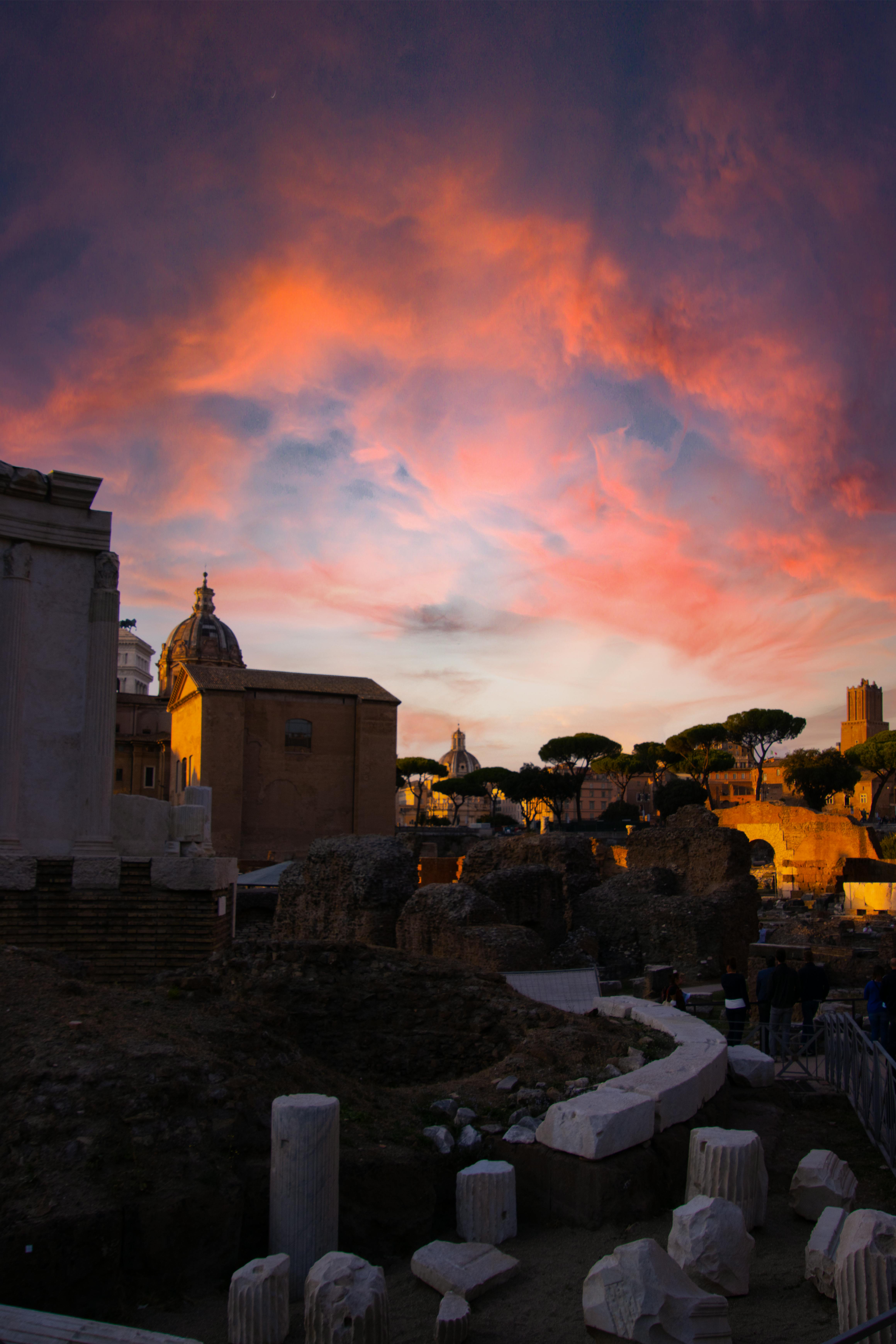
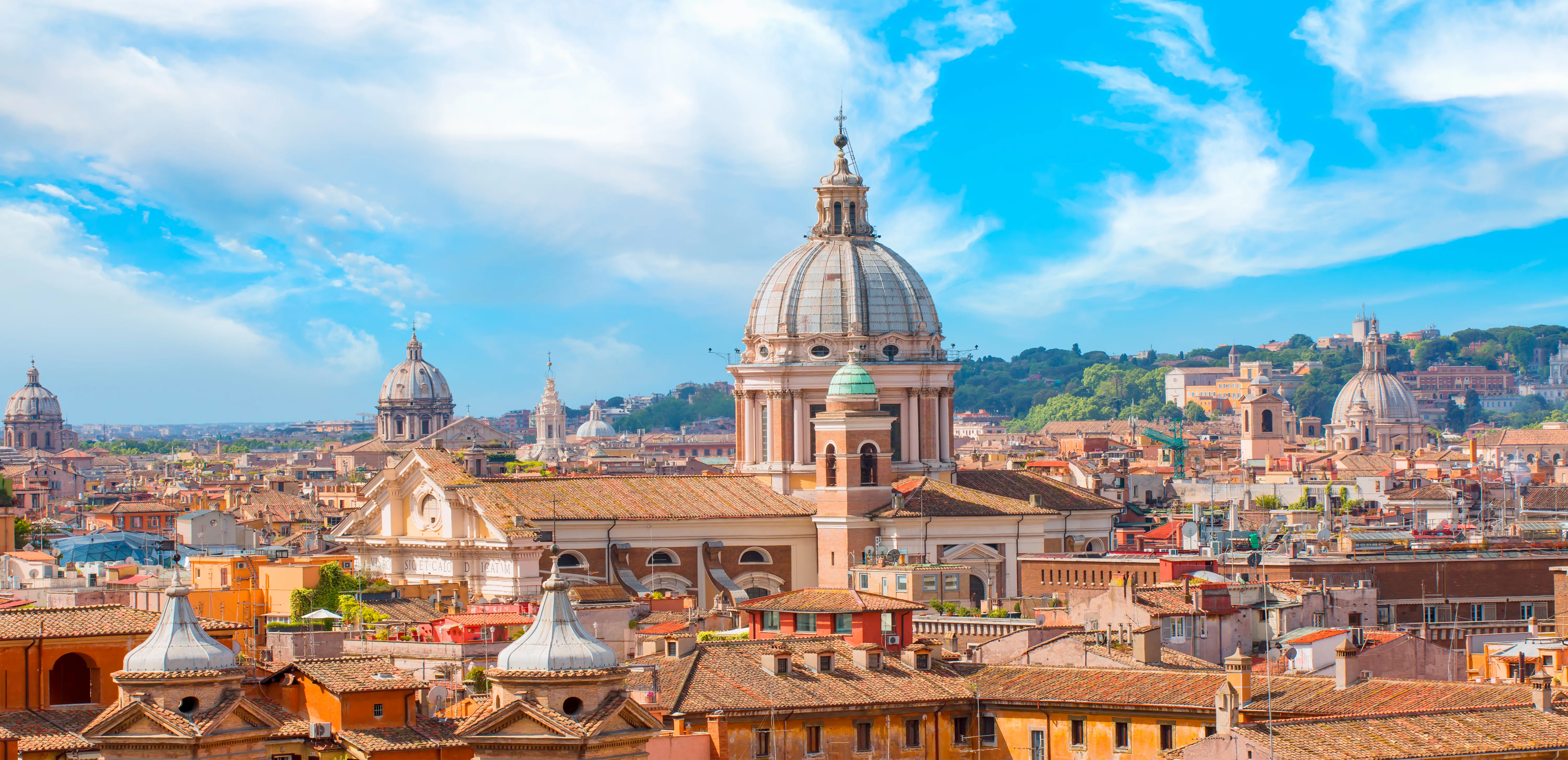
Rome, often called the Eternal City, stands as a testament to centuries of history, art, and culture. As one of the world’s most captivating travel destinations, Rome seamlessly blends ancient ruins with bustling modern life, offering an experience like no other. Its timeless allure lies in the perfect harmony between historical grandeur and lively street scenes, making it a must-visit for travelers seeking both discovery and inspiration in 2026.
This city is renowned for its iconic architecture, world-class museums, and vibrant neighborhoods that pulse with energy. Visitors are drawn not only by its legendary landmarks but also by its unique atmosphere—where every corner tells a story. Whether wandering through cobblestone streets, savoring authentic cuisine, or exploring centuries-old sites, Rome promises unforgettable moments at every turn.
In this article, you will find a comprehensive guide to the must-visit destinations of 2026 in Rome. We will explore hidden gems, essential sights, and insider tips to help you craft an extraordinary journey through this historic metropolis. Prepare to uncover the secrets of Rome that make it a timeless, unmissable destination for the upcoming year and beyond.
Never miss your favorite shows while traveling – download with Prime Video’s free trial!
Colosseum
The Colosseum, also known as the Flavian Amphitheatre, remains an enduring symbol of ancient Rome’s grandeur and engineering ingenuity. Situated in the heart of Rome, this iconic structure is a must-see for travelers eager to immerse themselves in the city’s rich history. Built between AD 70 and 80 under the emperors Vespasian and Titus, the Colosseum once hosted gladiatorial combat, animal hunts, and public spectacles that drew thousands of spectators. Today, it continues to attract millions, offering a captivating glimpse into the entertainment culture of ancient Rome.
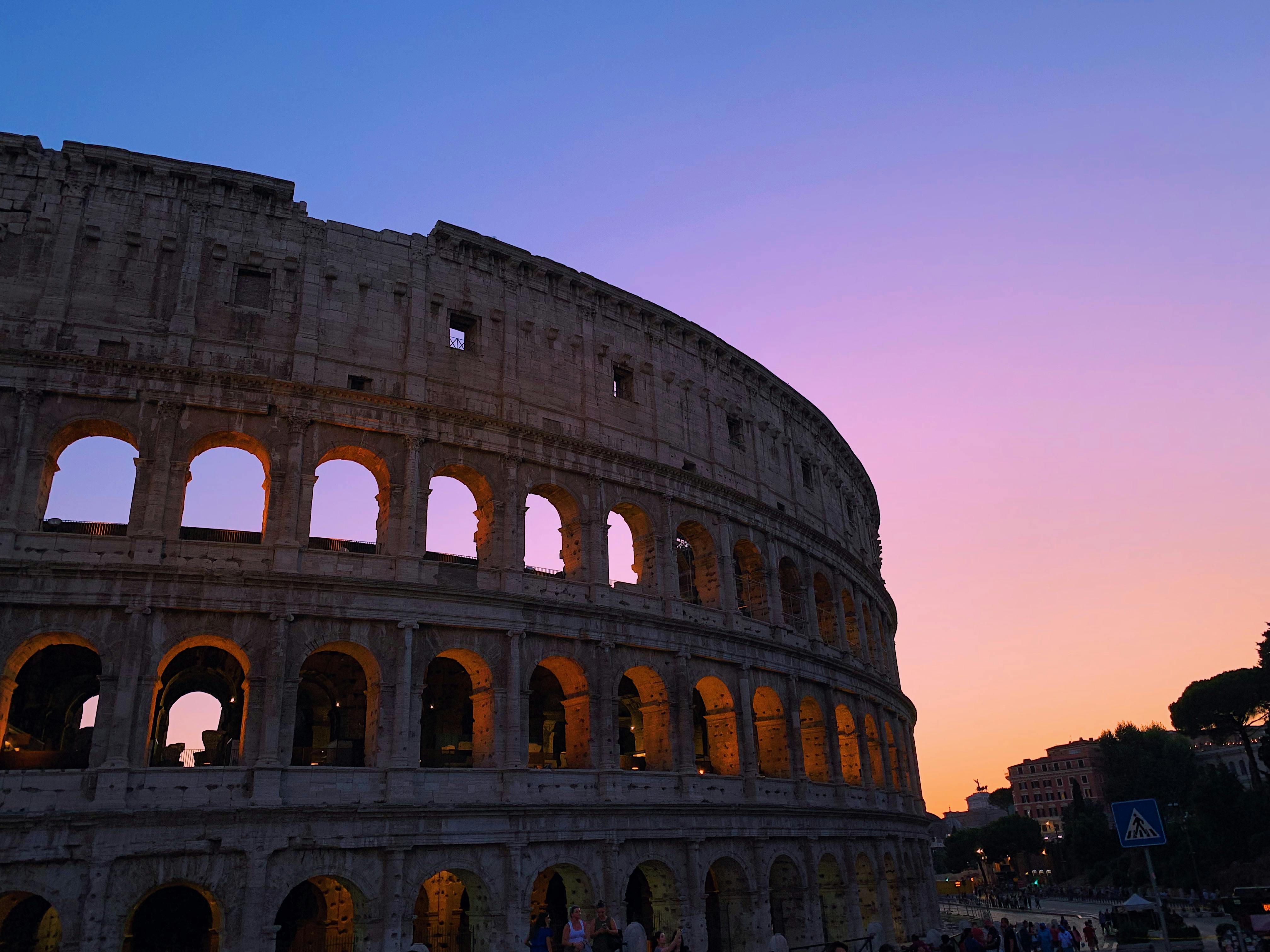
Visitors are immediately struck by the colossal size and impressive architecture of the amphitheatre. Its elliptical structure measures approximately 189 meters in length, 156 meters in width, and reaches a height of 48 meters. The exterior features a series of arches and columns, showcasing the advanced Roman engineering techniques of the period. Inside, the vast arena once accommodated up to 80,000 spectators, who watched events from tiered seating that provided unobstructed views of the action below.
Exploring the Colosseum offers more than admiration of its scale; it provides insights into Roman society, politics, and culture. Visitors can walk through the underground tunnels where gladiators and animals prepared before their battles, and ascend to the upper levels for panoramic views of the city. Guided tours and audio guides enhance the experience, revealing fascinating stories about the spectacles and the structure’s construction. Practical tips include arriving early to avoid crowds, wearing comfortable shoes, and purchasing tickets in advance. Visiting during spring or early fall ensures milder weather for a more comfortable exploration of this ancient marvel.
Vatican Museums
The Vatican Museums, located within Vatican City, house one of the world’s most extensive and awe-inspiring art collections. Established in the early 16th century, these museums contain masterpieces spanning centuries—from ancient sculptures to Renaissance paintings. Situated just off St. Peter’s Basilica, the museums are a cultural treasure trove that offers visitors a journey through history, religion, and art. Highlights include works by Michelangelo, Raphael, and Caravaggio, making it a pilgrimage destination for art lovers and history enthusiasts alike.
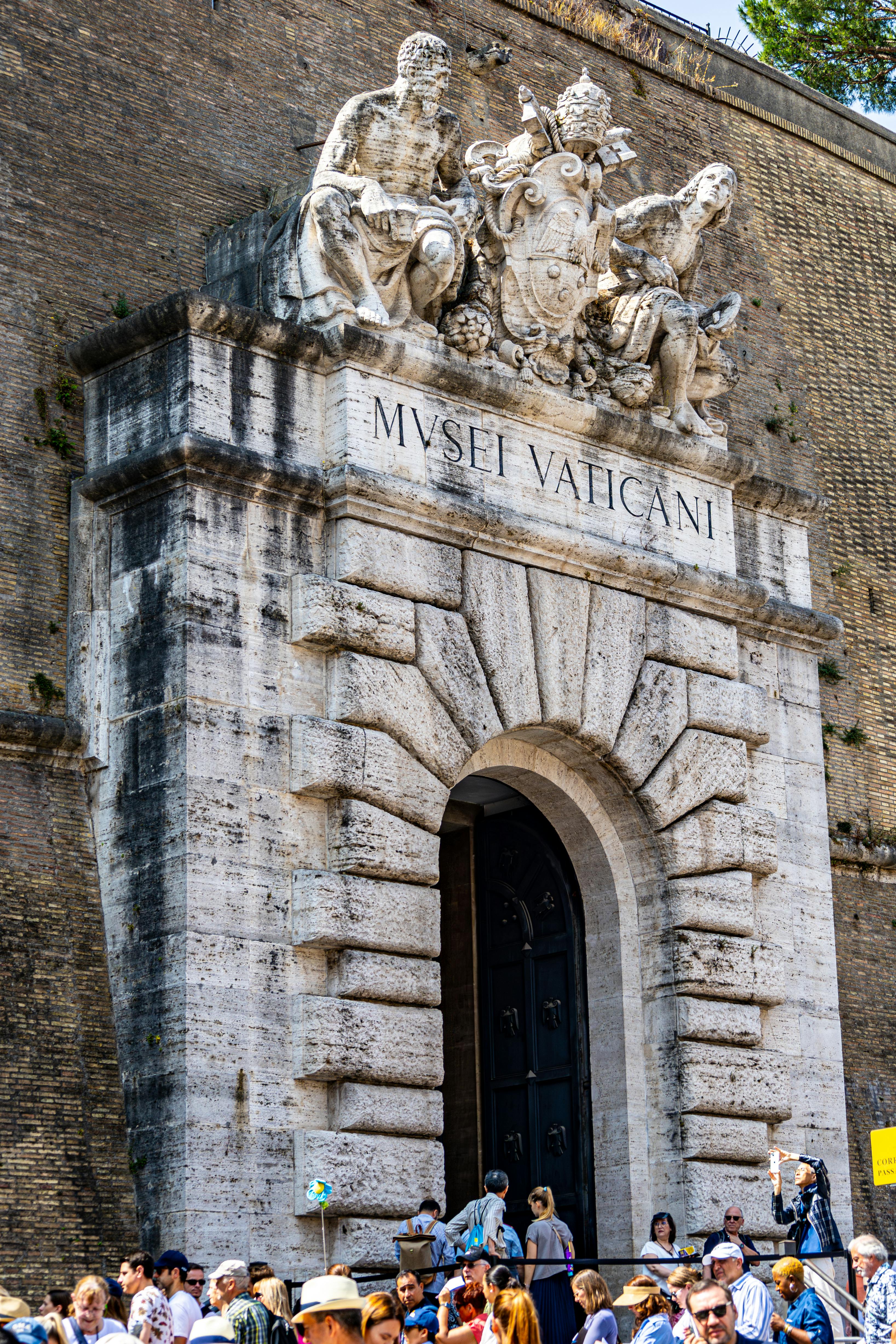
Spanning over 7 kilometers of galleries, the Vatican Museums encompass notable sections such as the Gregorian Egyptian Museum, the Gallery of Maps, and the Pinecone Courtyard. The highlight is the Sistine Chapel, renowned for Michelangelo’s breathtaking ceiling frescoes depicting scenes from Genesis and The Last Judgment. The layout of the museums is a labyrinth of corridors filled with exquisite artworks, ancient artifacts, and intricate tapestries. Due to their vastness, it’s advisable to plan your visit carefully, focusing on specific sections to avoid fatigue.
Practical tips include purchasing tickets online to skip long lines, arriving early or late in the day, and wearing comfortable footwear. Guided tours and audio guides are highly recommended to fully appreciate the stories behind each masterpiece. Visiting in spring or early autumn offers the best weather, making extensive exploration more enjoyable. Remember to dress modestly, as the Vatican enforces strict dress codes for religious sites.
St. Peter’s Basilica
St. Peter’s Basilica, situated within Vatican City, is one of the most significant religious structures globally and a masterpiece of Renaissance architecture. As the spiritual heart of Catholicism and the burial site of Saint Peter, it attracts millions of pilgrims and tourists annually. Constructed between 1506 and 1626, it was designed by renowned architects including Michelangelo, Bernini, and Bramante. Its majestic dome dominates the Roman skyline and offers stunning views of the city, exemplifying Renaissance art and engineering excellence.
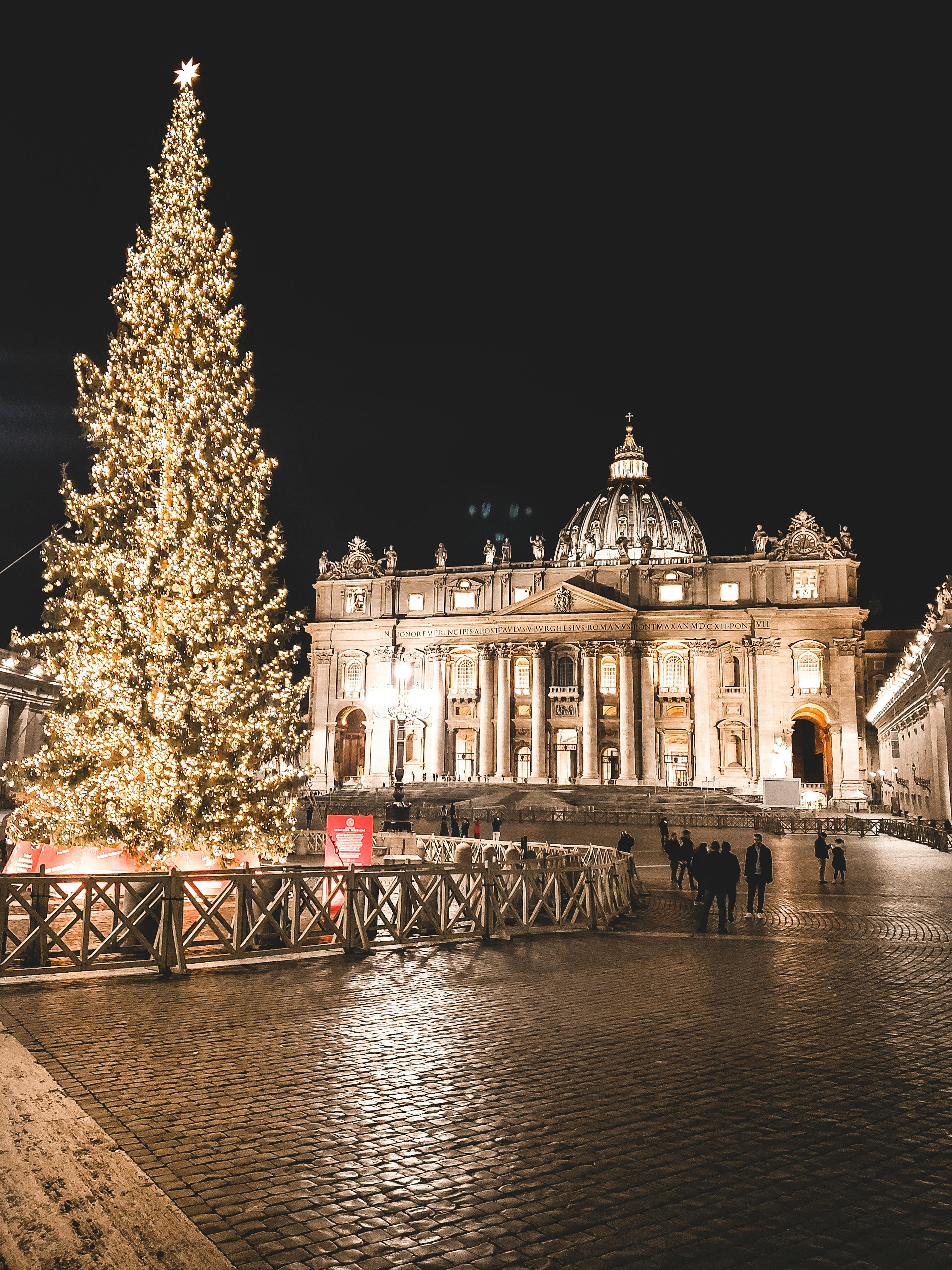
Inside, visitors are greeted by an awe-inspiring interior filled with sculptures, mosaics, and altars. Michelangelo’s Pietà, a remarkable marble sculpture depicting the Virgin Mary holding Jesus after the crucifixion, is a focal point. Climbing to the top of the dome offers panoramic views of Rome, providing a unique perspective on the city’s historic landscape. The basilica’s grandeur, detailed artistry, and spiritual ambiance make it a profound experience for all visitors.
Practical information includes opening hours from early morning to late afternoon, with guided tours available to deepen your understanding of its history and art. Entrance is free, though access to the dome and certain areas may require tickets. Dress modestly, covering shoulders and knees, as it is a sacred site. Visiting early or during weekdays helps avoid large crowds. A visit here is essential for those wishing to connect deeply with Rome’s religious and artistic heritage, especially during spring or autumn when the atmosphere is most serene.
Pantheon
The Pantheon stands as one of Rome’s most iconic monuments, a testament to ancient Roman engineering ingenuity. Located in the city center, this architectural marvel has served various purposes over the centuries—from a temple dedicated to all gods to a Christian church. Its impressive dome and harmonious proportions make it a must-see for travelers interested in Rome’s glorious past. Built around 126 AD during Emperor Hadrian’s reign, the Pantheon has remarkably survived through the ages, remaining one of the best-preserved ancient Roman buildings.
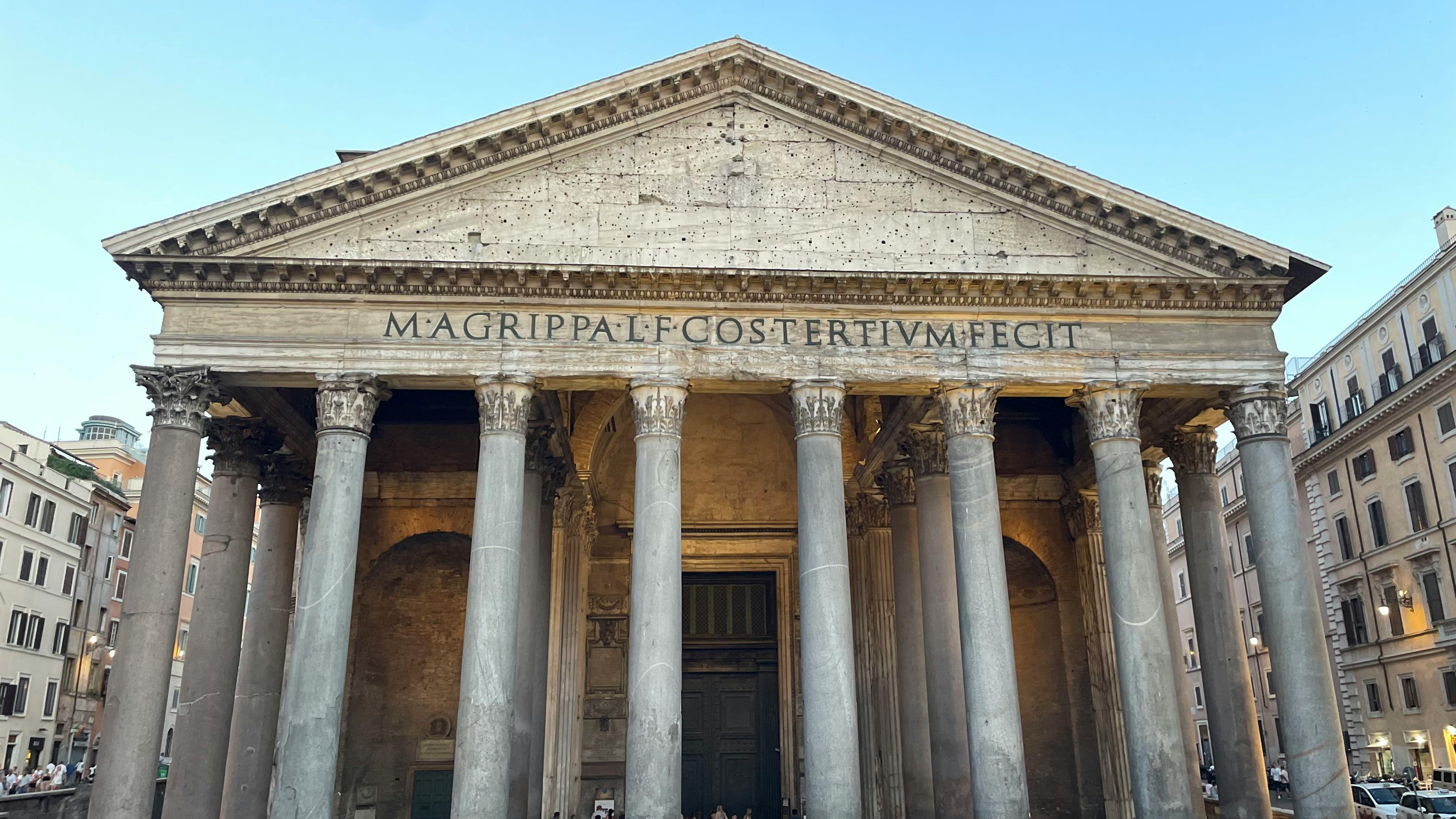
The most striking feature is its massive unreinforced concrete dome, which remains the largest of its kind in the world. The oculus at the center, approximately 30 feet in diameter, allows natural light to flood the interior, creating a dynamic and inspiring atmosphere. The vast rotunda, supported by Corinthian columns, is adorned with marble and reliefs that reflect the grandeur of ancient Rome. Visiting the Pantheon offers a unique blend of history, architecture, and spirituality, making it a captivating stop on any Rome itinerary.
Entry is free, but arriving early or later in the day helps avoid crowds. Its proximity to Piazza della Rotonda makes it easy to include in a walking tour of the historic center. Guided tours and audio guides deepen understanding of its construction and significance. Whether marveling at its engineering or soaking in its serene ambiance, the Pantheon remains an essential destination for exploring Rome’s timeless appeal in 2026.
Roman Forum
The Roman Forum, once the bustling political and social center of ancient Rome, is a sprawling archaeological site that vividly brings history to life. Situated between the Palatine and Capitoline Hills, this area was the heart of public life—hosting triumphal processions, elections, speeches, and markets. Today, visitors can stroll through the ruins of temples, basilicas, arches, and civic buildings that narrate Rome’s grandeur and evolution over centuries.
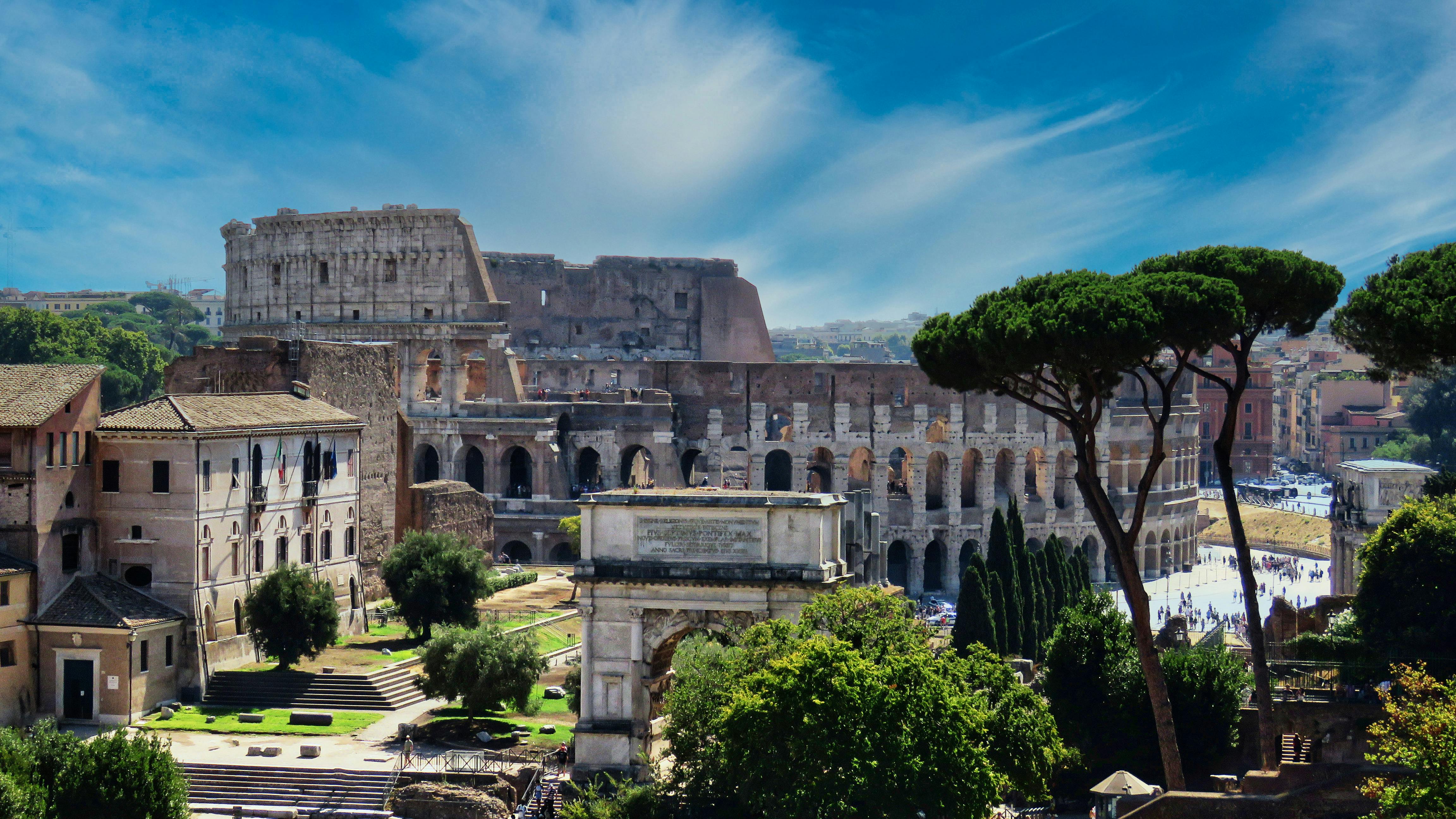
Highlights include the Temple of Saturn, the Arch of Titus, and the Basilica Julia. These ruins reveal ancient Roman architectural ingenuity and political power, with some structures dating back to the 7th century BC. Walking through the Forum provides an immersive experience, especially when complemented by informative signs or guided tours that animate its history. The vast open space allows for a thorough exploration, making it a must-see for history enthusiasts eager to walk the streets where Rome’s history was made.
Practical tips include arriving early to beat crowds and wearing comfortable shoes for uneven terrain. The site is conveniently accessible from central Rome and often included in combined tickets with nearby attractions like the Colosseum. Exploring the Roman Forum in 2026 offers a meaningful connection to Rome’s ancient past, allowing visitors to imagine the vibrant life that once animated this legendary city.
Essential Travel Products for Visiting Rome
1. Portable Power Bank with Fast Charging Capabilities
Staying connected while exploring Rome’s historic streets is essential. A portable power bank, such as the Anker PowerCore 10000 PD, is an indispensable accessory. Its compact size and fast-charging capabilities ensure your smartphone, camera, or other devices remain powered throughout your day. With a capacity of 10,000mAh, it can recharge most smartphones multiple times, ideal for navigating unfamiliar streets or capturing countless photos. You can purchase the Anker PowerCore 10000 PD from major online retailers like Amazon, ensuring you’re well-prepared for a full day of sightseeing.
2. Anti-Theft Travel Backpack
Security is crucial when visiting popular destinations like Rome, where pickpocketing can be a concern. An anti-theft travel backpack, such as the Pacsafe Metrosafe LS250, offers peace of mind with features like lockable zippers, RFID-blocking compartments, and cut-resistant materials. Its ergonomic design ensures comfort during long walks, while multiple compartments help organize essentials like passports, wallets, and travel documents. Whether exploring the Colosseum or Vatican City, this backpack provides a secure way to carry your belongings. It’s available at travel gear stores and online, making it a smart investment for your trip.
Shop these travel essentials on Amazon
Guidebooks for Exploring Rome: Your Ultimate Travel Companion
1. Rome: The Ultimate Guide by Lonely Planet (Available on Kindle Unlimited and Audible)
This detailed guide offers itineraries, historical insights, and practical tips tailored for 2026 travelers. It covers must-see sites like the Colosseum, Roman Forum, and Vatican Museums, along with hidden gems. The user-friendly layout helps visitors plan efficiently, ensuring they experience Rome’s rich history and culture without feeling overwhelmed. The audiobook version allows for easy listening during commutes or downtime, making it convenient to absorb information on the go. With Lonely Planet’s trusted reputation, this guide ensures you won’t miss key attractions or lesser-known treasures.
2. Rick Steves Rome 2026: The Guide to the Eternal City
Travel expert Rick Steves provides practical insights into exploring Rome. His guide emphasizes cultural nuances, local dining, and tips for avoiding crowds, especially during peak seasons. It includes detailed walking tours, historical context, and transportation advice. The approachable tone makes it engaging for both first-time visitors and seasoned travelers. The Kindle Unlimited and audiobook formats make it easy to familiarize yourself with Rome’s highlights before your trip.
3. Rome Travel Guide: Top 50 Must-See Attractions by DK Eyewitness
This visually rich guide presents a curated list of top sights, with detailed descriptions, maps, and photos to help orient visitors. It covers iconic landmarks, charming neighborhoods, and local markets, offering a comprehensive overview of the city. The Kindle Unlimited and Audible editions facilitate pre-trip planning, helping you craft a confident itinerary and explore Rome’s wonders with ease.
Combining these guides with essential travel products helps maximize your experience in 2026. Proper preparation and knowledge will enable a smooth journey through Rome’s timeless streets and vibrant culture.
Exploring a new country? Kindle Unlimited gives you instant access to language phrasebooks, city guides, and travel tips so you can blend in like a local. Try it free for 30 days and start your adventure!
Discover Rome: Your Gateway to Timeless Wonder in 2026
As one of the most iconic cities in the world, Rome continues to enchant travelers with its rich history, vibrant culture, and stunning architecture. From the awe-inspiring Colosseum to the peaceful beauty of the Vatican Gardens, the city offers a diverse range of experiences that will leave lasting memories. Our guide highlighted essential landmarks, hidden treasures, and practical tips to help you navigate the Eternal City with confidence.
Why 2026 Is the Perfect Year to Explore Rome
With upcoming renovations, cultural festivals, and new exhibitions scheduled for 2026, this year presents a unique opportunity for visitors. Whether you’re drawn to ancient ruins, Renaissance art, or modern Italian cuisine, Rome offers something for everyone. The evolving hospitality scene ensures travelers can enjoy both luxury accommodations and authentic local experiences. This makes 2026 an ideal time to visit and explore the city’s many facets.
Key Highlights to Include in Your Trip
- Exploring the ancient ruins of the Roman Forum and Palatine Hill
- Visiting renowned museums like the Capitoline and Borghese Galleries
- Walking through picturesque neighborhoods such as Trastevere and Monti
- Sampling traditional Roman dishes like carbonara and supplì
- Participating in vibrant festivals and events scheduled for 2026
To deepen your experience, consider guided tours that explore Rome’s layered history or leisurely walks through its lively piazzas. Every corner of the city holds a story waiting to be discovered, enriching your journey through the Eternal City.
Take Action and Start Planning Your 2026 Adventure
Now is the perfect moment to begin planning your trip to Rome in 2026. With countless sights, sounds, and flavors awaiting, the city promises an unforgettable experience. Book accommodations early, explore local events, and prepare to immerse yourself in Rome’s timeless charm. Your Roman adventure is just a decision away—start planning today!
Are you entitled to compensation for a delayed flight?
Frequently Asked Questions About Rome: Your Ultimate Destination Guide for 2026
1. What are the must-visit attractions in Rome for 2026?
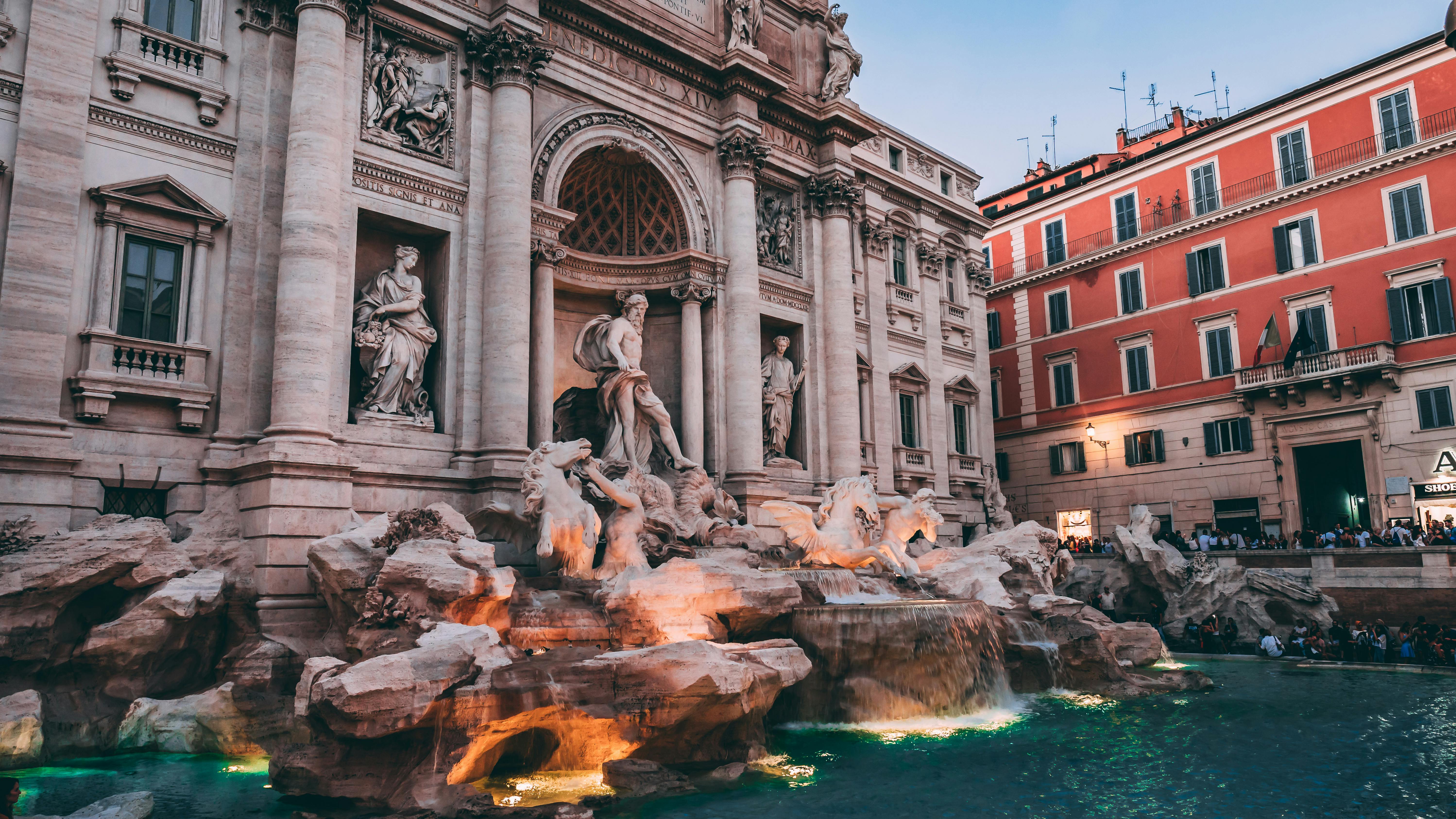
Rome is a city brimming with history, art, and vibrant culture. For 2026, visitors should prioritize iconic landmarks such as the Colosseum, Roman Forum, and Pantheon. The Vatican Museums and Sistine Chapel remain essential, especially with new exhibitions and renovations expected to enhance the experience. Don’t miss the Trevi Fountain and Spanish Steps for quintessential Roman sights. Additionally, emerging attractions like the MAXXI National Museum of 21st Century Arts offer a modern contrast to ancient ruins, making Rome a blend of past and present.
To maximize your visit, consider booking skip-the-line tickets and guided tours. Exploring lesser-known neighborhoods such as Trastevere or Testaccio can reveal authentic Roman life and hidden gems.
2. When is the best time to visit Rome in 2026?
The ideal time is during spring (April to June) and early fall (September to October), when the weather is mild and crowds are smaller. Spring brings blooming flowers and outdoor festivals, enhancing your experience. Early autumn offers pleasant temperatures and fewer tourists, allowing for relaxed sightseeing. Summer can be hot and crowded, while winter offers quieter streets and festive holiday events, though some attractions may have reduced hours.
3. How can I get around Rome efficiently?
The city’s public transportation includes buses, trams, and a metro system covering major attractions. The ATAC tickets are valid for 100 minutes and can be purchased at stations, newsstands, or online. The Roma Pass provides unlimited travel and discounts on attractions. Walking is also highly recommended, especially in historic districts, and biking is increasingly popular with rental services available. Taxis and ride-sharing apps like Uber are options but tend to be more expensive.
4. What should I know about local cuisine and dining?
Roman cuisine features hearty, flavorful dishes such as carbonara, amatriciana, and cacio e pepe. For authentic experiences, dine at trattorias away from tourist hotspots, where locals eat. Restaurants typically serve lunch from 12:30 pm to 2:30 pm and dinner from around 7:30 pm. Making reservations during busy periods is advisable. Quick bites include supplì (fried rice balls) and pizza al taglio from local vendors.
5. Are there cultural tips to keep in mind?
Dress modestly when visiting religious sites—cover shoulders and knees. Maintain a respectful demeanor inside churches and basilicas. Tipping is appreciated but not obligatory; rounding up or leaving a few euros is customary. Learning basic Italian phrases can enhance interactions. Be mindful of your belongings in crowded areas to prevent pickpocketing. Embrace the relaxed Roman pace—enjoy leisurely coffees and wandering through historic streets.
6. What lesser-known but worthwhile destinations are recommended?
Explore hidden gems such as Villa Doria Pamphili, a peaceful park; Quartiere Coppedè, an architecturally unique neighborhood; and the Catacombs of San Callisto and San Sebastiano for underground history. The Appian Way offers a scenic route with ancient ruins and nature, ideal for cycling. These spots provide a more intimate experience of Rome away from the crowds, especially during off-peak times.