Agra Heritage Sites: Top Monuments and Cultural Attractions of 2026
Discover Agra: The Timeless Jewel of India’s Heritage

Nestled along the banks of the Yamuna River, Agra stands as a testament to India’s rich history and architectural brilliance. Known worldwide for its iconic monuments, this city seamlessly blends centuries-old traditions with vibrant modern life. Agra’s allure lies not only in its legendary landmarks but also in its captivating cultural tapestry, bustling markets, and delectable cuisine. As a must-visit destination of 2026, Agra offers travelers a unique opportunity to immerse themselves in a city that has shaped India’s historical narrative. Whether you are a history enthusiast, architecture lover, or someone seeking spiritual serenity, Agra promises an unforgettable experience.
In this guide, you can expect a comprehensive overview of what makes Agra a standout travel destination. We will explore its historical significance, highlight the must-visit sites, and offer insider tips to enhance your journey. Prepare to uncover the secrets of this magnificent city and discover why Agra remains a top choice for travelers seeking a blend of timeless beauty and cultural richness.
Never miss an episode of your favorite series! Prime Video lets you stream or download shows to watch anywhere, even without internet. Start your free trial today!
Taj Mahal
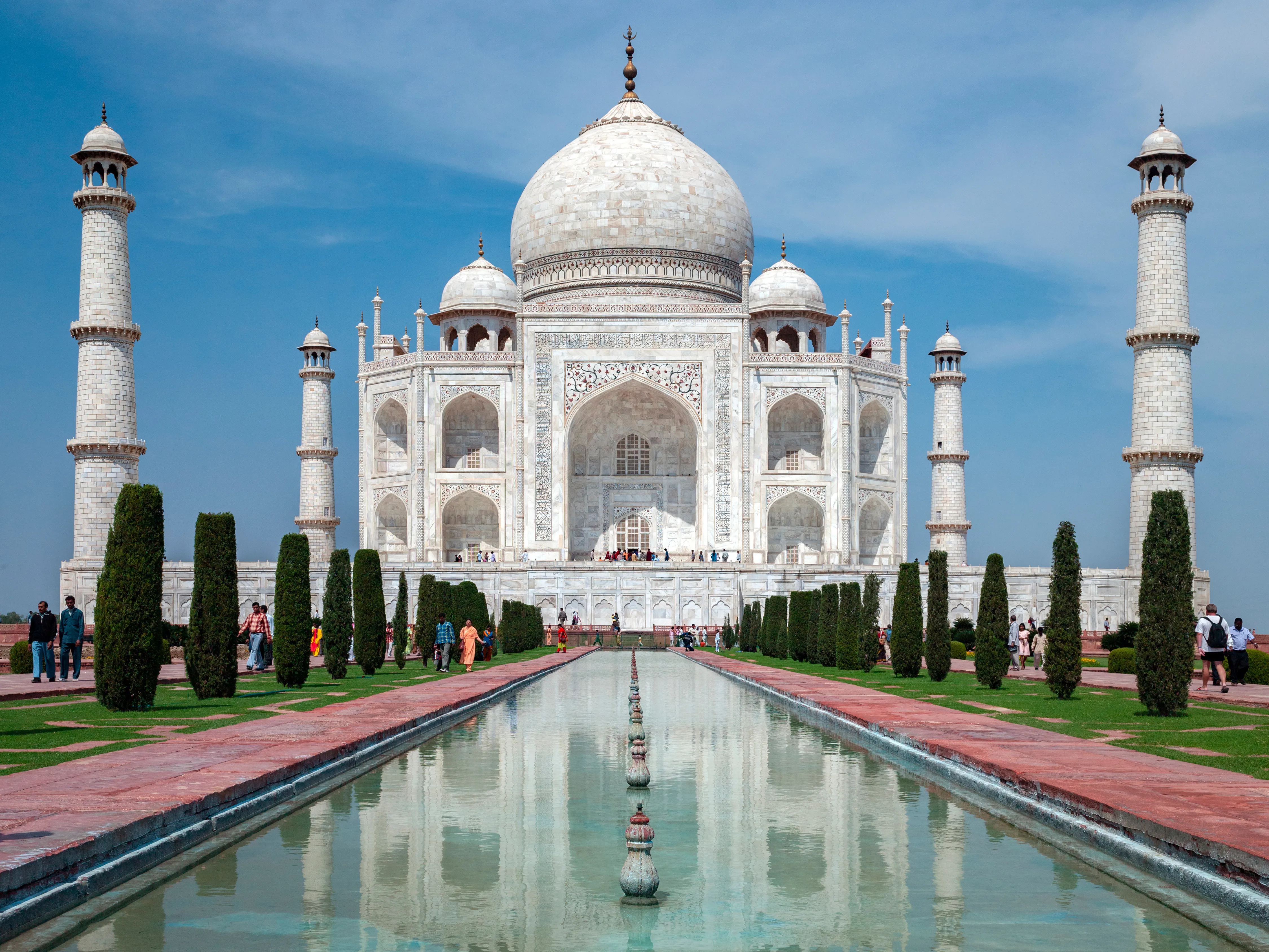
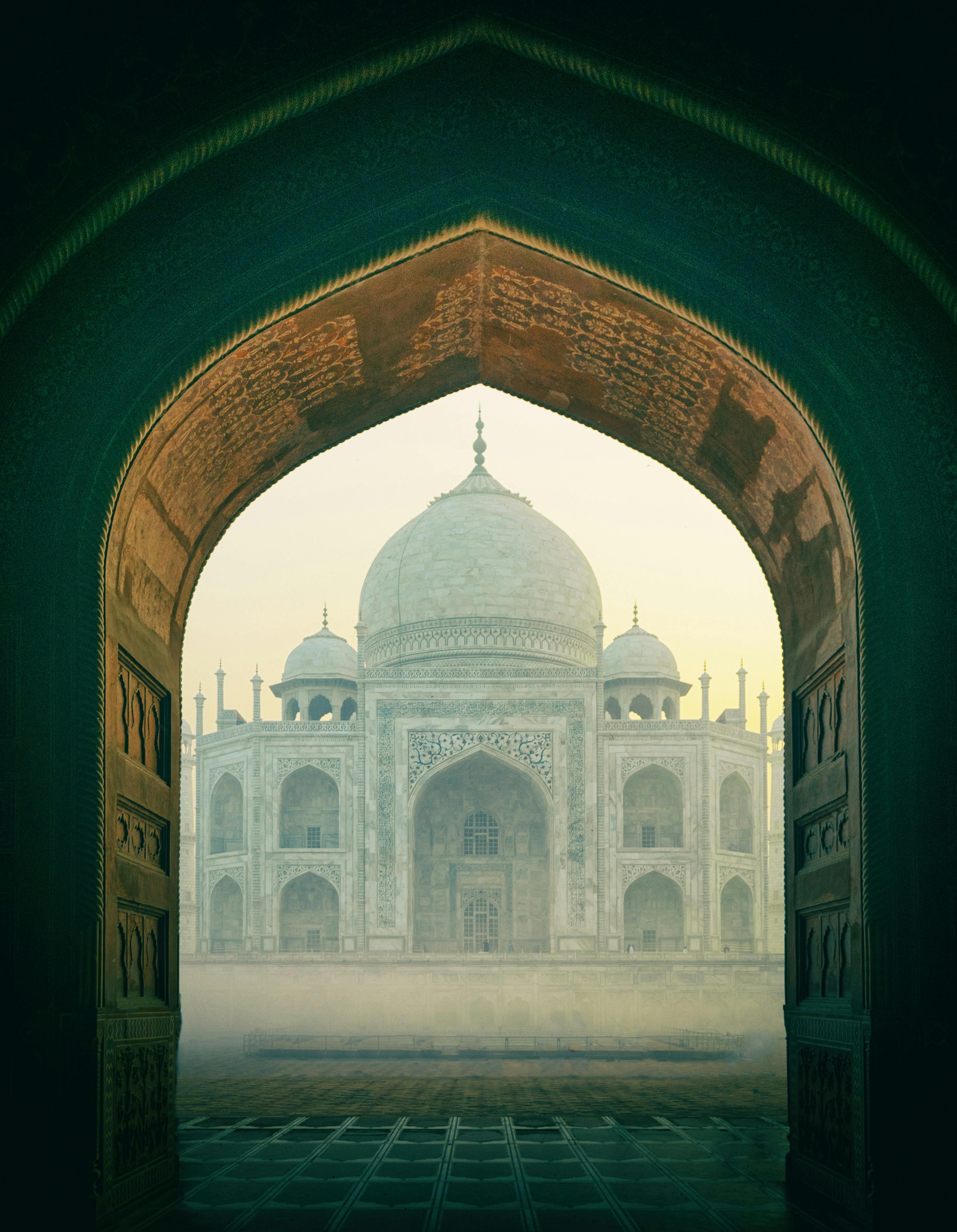
The Taj Mahal, located on the southern bank of the Yamuna River in Agra, is undoubtedly one of the most iconic symbols of love and architectural brilliance in the world. Built between 1632 and 1653 by Mughal Emperor Shah Jahan, this magnificent mausoleum is a UNESCO World Heritage Site and a must-visit destination for travelers seeking a blend of history, artistry, and romance. The monument’s pristine white marble dome, intricate carvings, and lush surrounding gardens make it an awe-inspiring sight that captures the imagination of visitors from around the globe.

The Taj Mahal’s main feature is its stunning symmetrical structure, with a large central dome rising to about 35 meters, flanked by four smaller domes and four minarets at each corner. The mausoleum’s walls are decorated with delicate inlay work of semi-precious stones, depicting floral motifs and calligraphy from the Quran. Visitors can explore the main tomb chamber, which houses the cenotaphs of Mumtaz Mahal, Shah Jahan’s beloved wife, and the emperor himself. The surrounding gardens, known as Charbagh, are designed in a classical Persian style, offering a peaceful setting for reflection and photography.
Visiting the Taj Mahal offers a sensory experience—early mornings and sunset visits reveal the monument’s changing hues, casting a magical glow that enhances its beauty. Practical tips include arriving early to avoid crowds, especially during peak seasons, and wearing comfortable footwear for exploring the extensive grounds. Guided tours are highly recommended to appreciate the intricate history and craftsmanship behind this wonder. Remember to carry water, and be prepared for security checks at the entrance.
Overall, the Taj Mahal is not just an architectural masterpiece but also an enduring symbol of eternal love. Its breathtaking beauty and historical significance make it an essential stop on any journey to India in 2026, promising memorable moments for every traveler.
Agra Fort
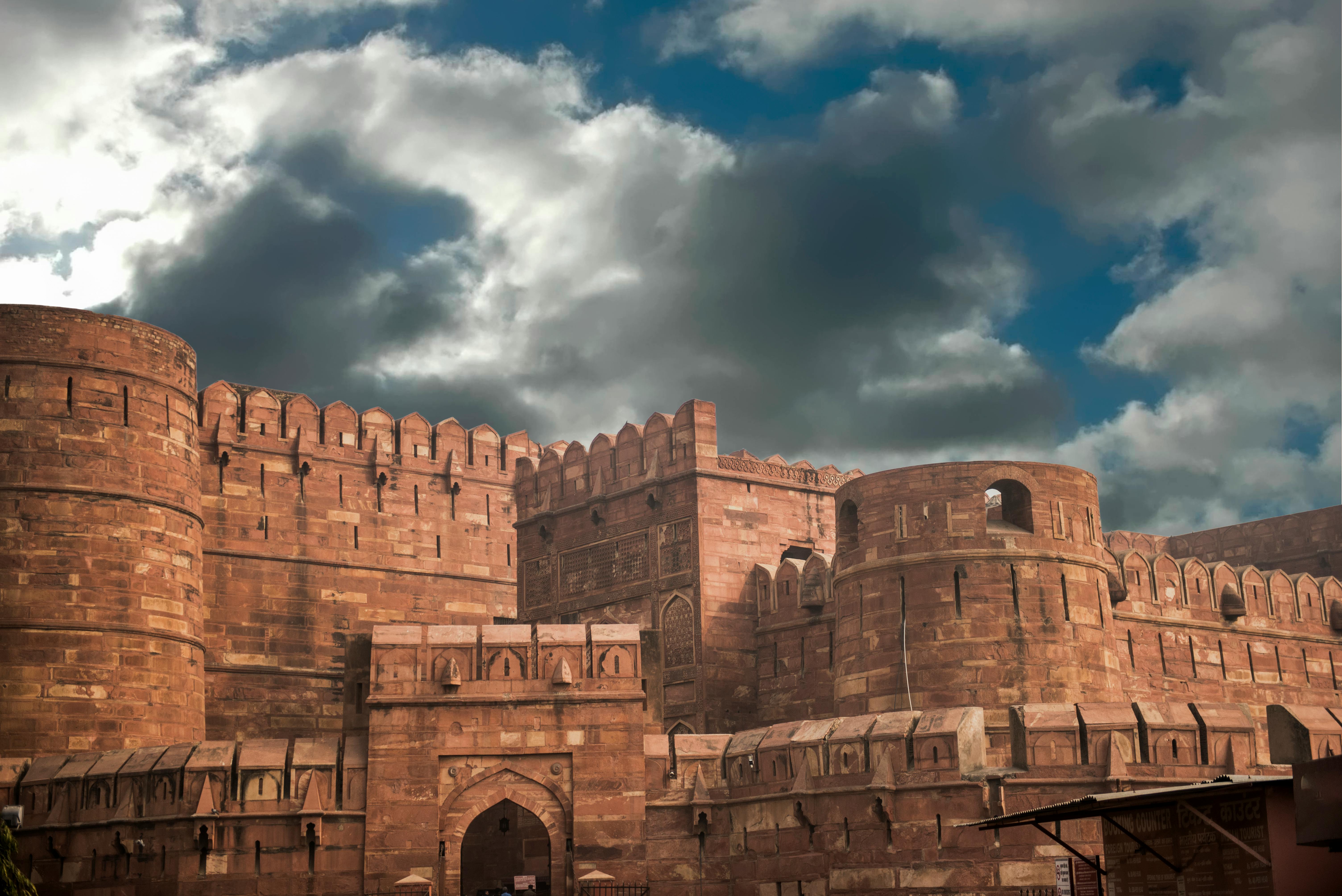
Situated along the banks of the Yamuna River, Agra Fort stands as a formidable testament to Mughal military ingenuity and regal splendor. Constructed primarily in red sandstone, this UNESCO World Heritage Site served as the main residence of the emperors of the Mughal Dynasty until the mid-17th century. Its strategic location, just 2.5 kilometers from the Taj Mahal, makes it an integral part of Agra’s rich historical tapestry. The fort’s sprawling complex combines palaces, halls, mosques, and gardens, offering visitors a glimpse into Mughal grandeur and architectural innovation.
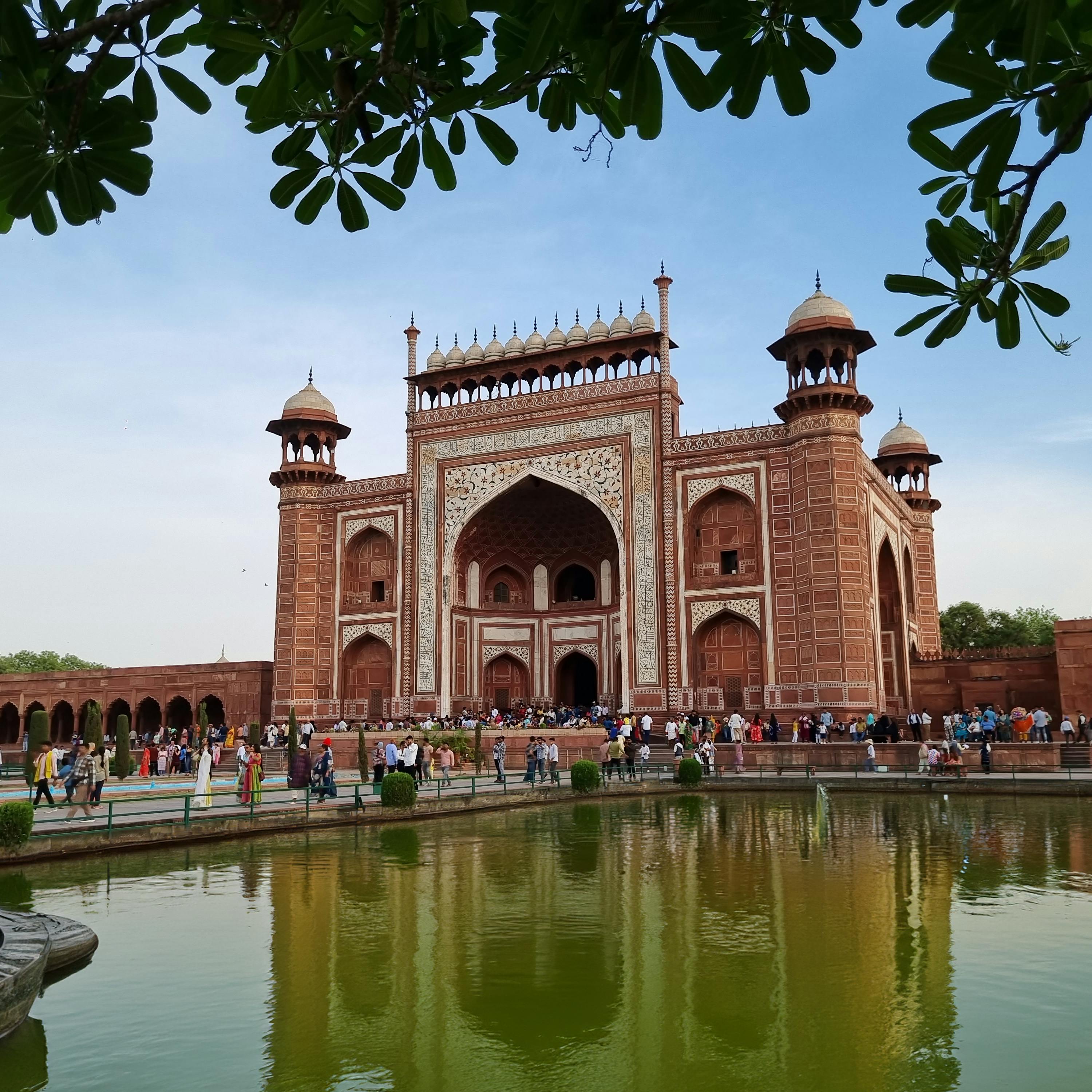
The main entrance, known as the Amar Singh Gate, leads visitors into a series of courtyards and corridors that reveal the fort’s layered history. Notable features include the Jahangir Palace, with its impressive marble pavilions and intricate carvings, and the Khas Mahal, a private residence with stunning views of the surrounding landscape. The Diwan-i-Am, or Hall of Public Audience, is renowned for its arched façade and spacious interior, where emperors once held court. Meanwhile, the Diwan-i-Khas, or Hall of Private Audience, showcases exquisite pietra dura inlay work and delicate marble screens.
Exploring Agra Fort provides an immersive experience into Mughal life, blending military strength with artistic elegance. The panoramic views of the Taj Mahal from the fort’s ramparts add to its appeal, making it a favorite spot for photographers. Practical advice includes arriving early to beat the crowds and wearing comfortable shoes, as the expansive complex involves considerable walking. Guided tours offer rich historical context, revealing stories of emperors, battles, and cultural exchanges that shaped India’s history.
Whether you’re a history enthusiast or an architecture lover, Agra Fort is a compelling destination that vividly recounts the Mughal era’s grandeur. Its strategic location, stunning design, and historical significance establish it as a must-visit site for travelers seeking a deeper understanding of Agra’s royal past in 2026.
Fatehpur Sikri
Located approximately 40 kilometers from Agra, Fatehpur Sikri is a remarkable example of Mughal architecture and urban planning. Built in the late 16th century by Emperor Akbar, this UNESCO World Heritage Site served as the Mughal capital for about 14 years. The city’s name translates to “City of Victory,” reflecting Akbar’s triumphs and aspirations. Fatehpur Sikri’s well-preserved structures, courtyards, and intricate stone carvings offer a captivating glimpse into Mughal grandeur and religious harmony. The site’s harmonious blend of Islamic, Hindu, and Jain architectural elements makes it a unique cultural mosaic that continues to fascinate visitors.
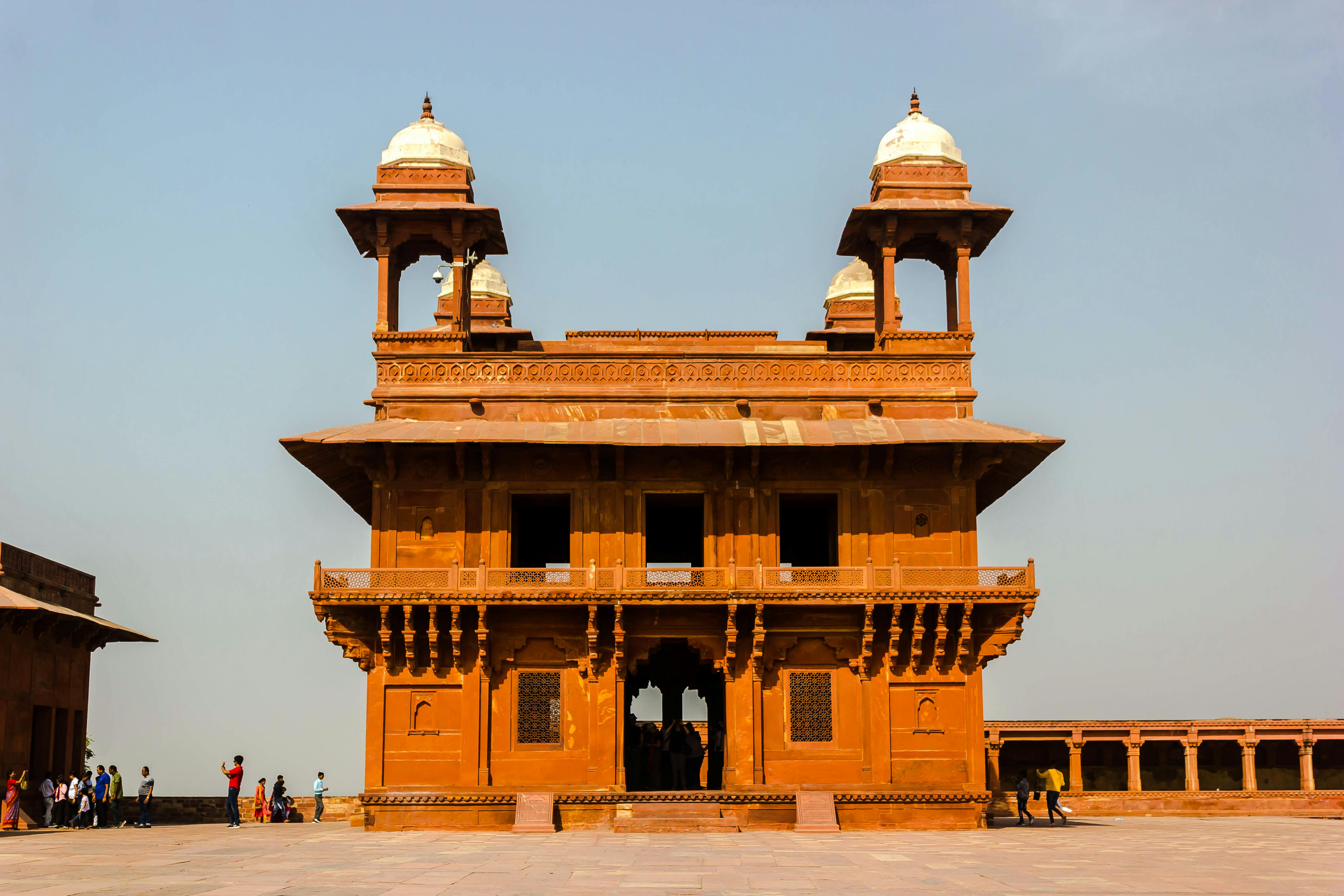
The complex is spread over a vast area, featuring notable structures such as the Buland Darwaza, one of the tallest gateways in India, which stands as a symbol of Mughal strength. Inside the city, the Panch Mahal, a five-storied palace with open arches, offers panoramic views of the surrounding landscape. The Jama Masjid, one of India’s largest mosques, is renowned for its impressive red sandstone minarets and spacious prayer hall. The Tomb of Salim Chishti, a revered Sufi saint, is another highlight, drawing pilgrims and visitors alike. The intricate jali screens, delicate inlay work, and expansive courtyards showcase the craftsmanship and aesthetic sensibilities of the Mughal era.
Fatehpur Sikri is a fascinating destination for history buffs and architecture enthusiasts. Its well-preserved ruins and serene atmosphere provide a sense of stepping back in time. To make the most of your visit, plan to arrive early in the morning or late afternoon to avoid the midday heat and crowds. Guided tours enrich the experience by revealing stories behind the structures and their significance. Accessibility is good, with pathways suitable for most visitors, although some areas may require moderate walking.
In 2026, Fatehpur Sikri remains a must-visit for travelers eager to explore Mughal history beyond the more famous monuments. Its artistic grandeur, spiritual significance, and historical depth make it a compelling stop on any journey through Agra’s cultural landscape, promising an enriching and memorable experience.
Mehtab Bagh
Located just across the Yamuna River from the Taj Mahal, Mehtab Bagh offers visitors a tranquil retreat with a breathtaking view of India’s most iconic monument. This Mughal-era garden, meaning “Moonlight Garden,” was originally designed as a strategic vantage point to admire the Taj Mahal during moonlit nights. Its serene ambiance and historical significance make it a must-visit destination for travelers seeking a blend of natural beauty and cultural heritage in Agra.
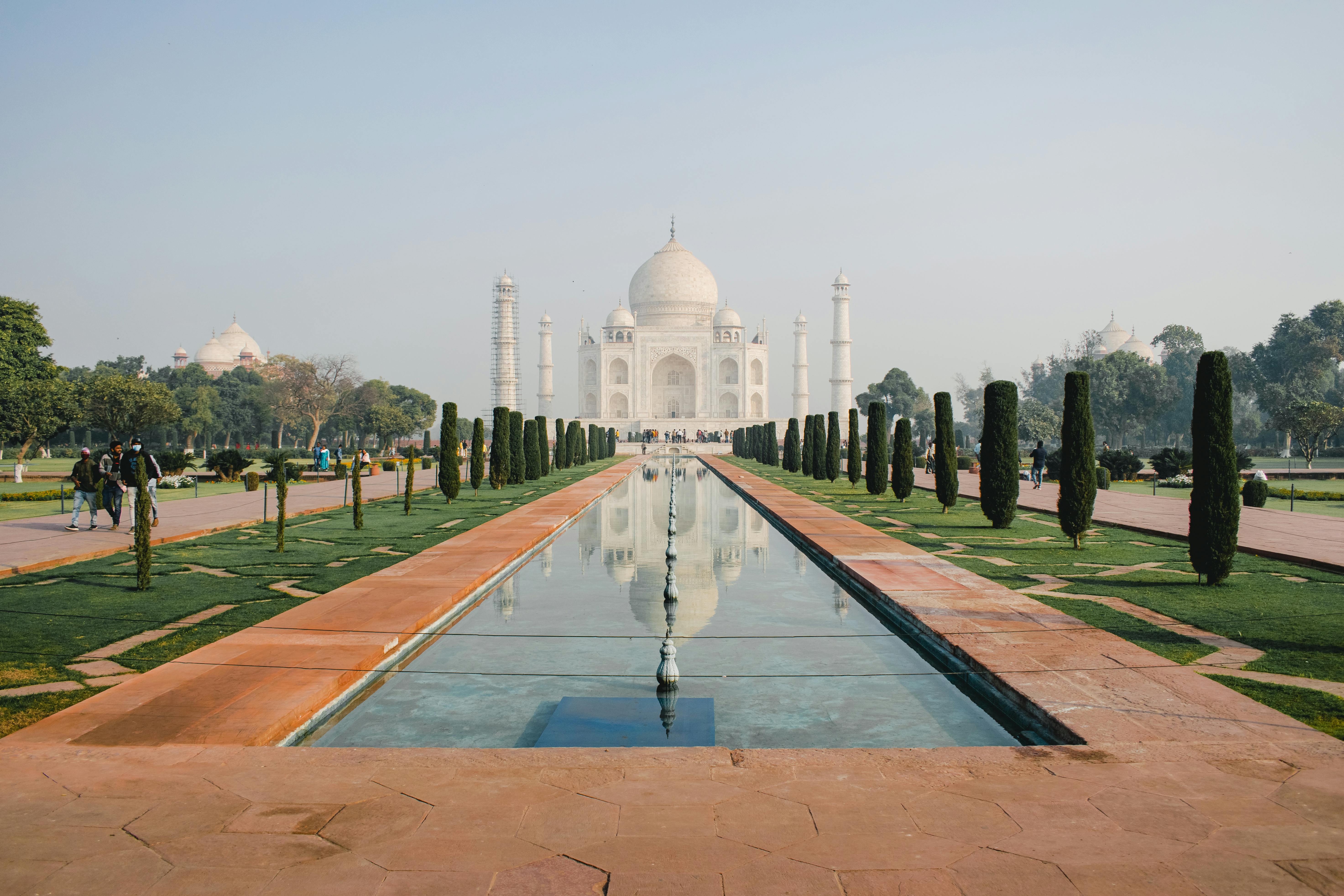
Mehtab Bagh is situated on the northern banks of the Yamuna River, approximately 400 meters north of the Taj Mahal. Spread over an area of around 25 acres, this meticulously maintained garden features symmetrical layouts, water channels, and lush greenery that create a peaceful environment. The main attraction here is the stunning view of the Taj Mahal, especially at sunrise and sunset, when the monument is bathed in a golden glow. The garden’s layout includes a central water tank, which reflects the monument beautifully, adding to its picturesque appeal.
One of the highlights of visiting Mehtab Bagh is the opportunity to experience the Taj Mahal from a different perspective, away from the crowds. It’s an ideal spot for photography enthusiasts eager to capture the monument in changing light conditions. The garden also contains several small pavilions and pathways, inviting visitors to stroll leisurely while soaking in the scenery. The tranquility of the surroundings makes it perfect for meditation or simply unwinding after exploring the bustling city.
Practical information for visitors includes easy accessibility from central Agra, with options for guided tours or self-exploration. The best times to visit are early morning or late afternoon when the lighting enhances the visual appeal of the Taj Mahal. Remember to carry water, comfortable shoes, and a camera to fully enjoy this hidden gem. Whether you are a history buff, a nature lover, or a photographer, Mehtab Bagh promises a memorable experience that complements your visit to Agra’s famous monuments.
Tomb of Itimad-ud-Daulah
Often referred to as the “Baby Taj,” the Tomb of Itimad-ud-Daulah is a stunning Mughal mausoleum that predates the Taj Mahal and offers a glimpse into the early Mughal architectural style. Located on the eastern bank of the Yamuna River, this tomb was built in the mid-17th century as the final resting place for Mirza Ghiyas Beg, a Persian nobleman and the father of Nur Jahan, the influential wife of Emperor Jahangir. Its intricate design and delicate craftsmanship make it a must-visit for those interested in Mughal architecture’s evolution and artistry.
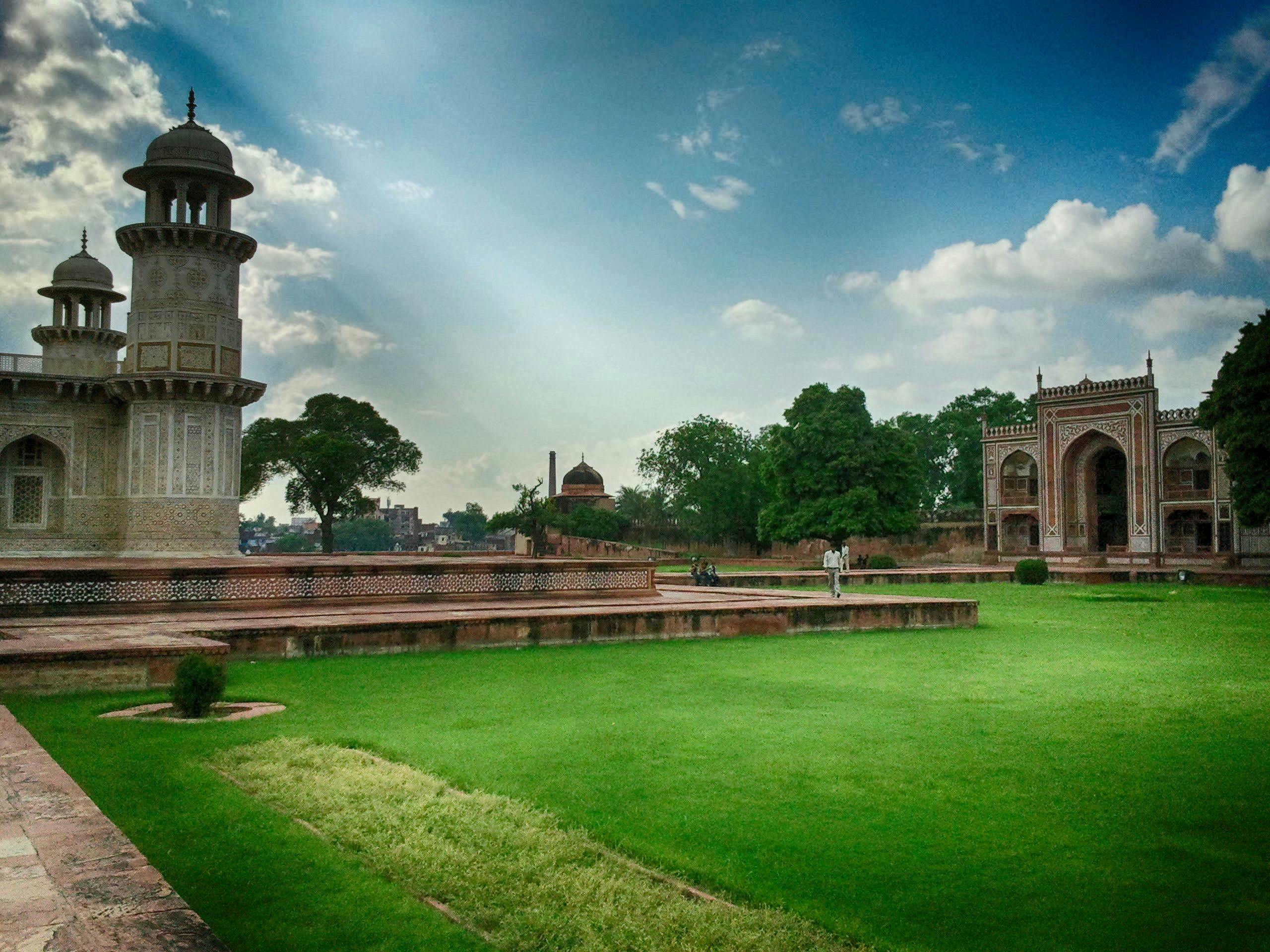
The tomb is renowned for its exquisite inlay work, which features semi-precious stones set into white marble, creating intricate floral patterns and calligraphy. The structure is a rectangular, two-story building with delicate lattice screens, ornate balconies, and a central dome that rises gracefully above the tomb chamber. Surrounding the main mausoleum are beautiful gardens and water channels that enhance the serene atmosphere, embodying the Mughal love for harmony between architecture and nature.
Visiting the tomb provides an intimate experience of Mughal craftsmanship, especially for those who appreciate detailed stonework and symmetrical layouts. The tomb’s design influenced later Mughal architecture, including the Taj Mahal, making it a significant historical site. The peaceful setting also makes it an ideal place for reflection and photography, especially during the soft glow of the late afternoon light.
Practical tips for visitors include arriving early to avoid crowds and to enjoy the tranquil environment fully. The site is easily accessible from central Agra, with guided tours available that delve into its history and architectural details. Visitors should wear comfortable footwear and carry water, as exploring the complex involves walking through lush gardens and narrow corridors. A visit to the Tomb of Itimad-ud-Daulah offers a unique opportunity to appreciate the craftsmanship that laid the foundation for India’s most celebrated monument, the Taj Mahal, making it an essential stop on your Agra itinerary for 2026.
Essential Travel Products for Visiting Agra
1. Portable Water Purifier Bottle
When exploring Agra, especially during the peak summer months, staying hydrated is crucial. A portable water purifier bottle, such as the GRAYL Ultralight Water Purifier Bottle, offers a practical solution. This compact device combines a water filter and purifier that removes bacteria, viruses, chemicals, and heavy metals, ensuring safe drinking water from any source. Its lightweight design makes it easy to carry in a backpack or handbag, making it ideal for day trips to iconic sites like the Taj Mahal or Agra Fort.
What sets this product apart is its quick purification process—just fill, press, and drink—saving time and reducing the need to buy bottled water, which contributes to environmental sustainability. Its durable construction withstands travel wear and tear, and the filter lasts for hundreds of refills, making it cost-effective over time. You can purchase the Grayl Ultralight Water Purifier Bottle from outdoor gear stores or online retailers like Amazon, ensuring you always have access to safe water during your visit.
2. Lightweight Travel Backpack with Anti-Theft Features
An essential item for any traveler in Agra is a secure, comfortable backpack. The Nomatic Navigator Lite Backpack is engineered for urban explorers and cultural enthusiasts alike. It features anti-theft zippers, RFID-blocking pockets, and hidden compartments, providing peace of mind as you navigate crowded markets, busy streets, or heritage sites.
This backpack’s ergonomic design offers padded shoulder straps and a ventilated back panel, ensuring comfort during long days of sightseeing. Its multiple compartments help organize essentials like your camera, wallet, souvenirs, and travel documents. Additionally, its water-resistant fabric protects your belongings from unexpected rain or spills, which is especially useful during monsoon season.
Available through travel gear outlets and online stores, the Nomatic Navigator Lite is a versatile, stylish choice for visitors who want security and convenience without sacrificing comfort. Its durability and thoughtful features make it a must-have for exploring Agra’s vibrant streets and historic sites.
Shop trusted travel essentials via Amazon
Recommended Travel Guidebooks for Agra
1. “Agra: The Ultimate Travel Guide” by Lonely Planet (Kindle Unlimited & Audible)
This comprehensive guide offers detailed insights into Agra’s top attractions, cultural nuances, and practical travel tips. It covers everything from the Taj Mahal’s history to lesser-known gems like Itmad-ud-Daulah’s Tomb. The book’s engaging narrative and curated itineraries help travelers plan their days efficiently, ensuring they don’t miss must-see sights or hidden treasures. Its inclusion on Kindle Unlimited and Audible makes it accessible for on-the-go listening or reading, perfect for busy travelers who want to maximize their experience.
2. “Discovering Agra: An Insider’s Guide” by Travel Guru Publications (Kindle Unlimited & Audible)
This guide emphasizes local experiences and authentic cultural insights. It includes recommendations for authentic eateries, markets, and artisan workshops, allowing visitors to immerse themselves in Agra’s vibrant traditions. The book also offers practical advice on navigating transportation, bargaining in markets, and respecting local customs. Its narrative style makes it an engaging companion for travelers seeking a deeper connection with the city beyond its famous monuments.
3. “Agra Heritage & History” by Heritage Trails Publishing (Kindle Unlimited & Audible)
Focusing on Agra’s rich historical tapestry, this book delves into the stories behind its UNESCO World Heritage sites. It provides detailed descriptions of architectural styles, historical contexts, and notable figures associated with the city’s monuments. For history buffs and cultural enthusiasts, this guide enhances visits with fascinating insights and lesser-known anecdotes. Its availability on Kindle Unlimited and Audible ensures easy access, allowing travelers to learn as they explore or listen during long journeys.
By combining these insightful guides with practical travel products, visitors can enrich their Agra experience, making their journey both memorable and well-informed. Whether exploring the Taj Mahal at dawn or wandering through bustling bazaars, the right tools and knowledge elevate your adventure into an unforgettable exploration of one of India’s most iconic destinations of 2026.
Try Kindle Unlimited free and get access to the best travel books instantly!
Discover the Timeless Charm of Agra: Your Gateway to Unforgettable Experiences in 2026
Looking ahead to 2026, Agra continues to be an essential destination for travelers eager to explore its historical, architectural, and cultural treasures. The Taj Mahal remains a symbol of love and beauty, captivating visitors with its stunning presence. Beyond it, attractions like Agra Fort, Fatehpur Sikri, and the vibrant local markets showcase India’s diverse heritage and craftsmanship.
What makes Agra particularly appealing is its ability to blend ancient monuments with modern hospitality and cuisine, offering a comprehensive cultural experience. Planning your visit during the cooler months from October to March can enhance comfort and enjoyment. Engaging knowledgeable local guides can deepen your understanding of the city’s rich history and traditions, making your trip more meaningful.
Whether you’re drawn by history, architecture, or spiritual serenity, Agra offers a wealth of memorable experiences. As one of the top travel destinations of 2026, it invites travelers to uncover its secrets and create lasting memories. Start planning your journey now and immerse yourself in the timeless allure of Agra.
Are you entitled to compensation for a delayed flight?
Frequently Asked Questions About Destination Guides Agra
1. Why is Agra considered a must-visit destination in 2026?
Agra is a top travel destination due to its rich historical significance and architectural marvels. The city is home to the Taj Mahal, a UNESCO World Heritage Site and one of the New Seven Wonders of the World. In addition to the Taj Mahal, Agra features impressive monuments like Agra Fort and Fatehpur Sikri, which provide insight into Mughal grandeur. For 2026, the city continues to attract visitors seeking a blend of history, culture, and artistry. Its evolving hospitality scene, guided tours, and cultural festivals make it an appealing year to explore this historic city.
2. What is the best time to visit Agra?
The best time to visit Agra is from October to March, when the weather is cooler and more suitable for sightseeing. During these months, daytime temperatures typically range from 15°C to 25°C, ideal for outdoor exploration. Avoid the hot summer months from April to June, when temperatures can exceed 45°C, making outdoor activities uncomfortable. The winter season also offers clear skies and vibrant festivals, enriching the overall experience.
3. How can travelers best explore Agra’s main attractions?
Most visitors prefer guided tours combined with independent exploration. Hiring a licensed guide can enhance understanding of the city’s history and architecture. Using local tuk-tuks or taxis provides flexibility to visit multiple sites. Early morning visits to popular attractions like the Taj Mahal help avoid crowds and offer better lighting for photography. Remember to wear comfortable shoes and carry essentials such as water, sun protection, and a hat.
4. Are there any practical tips for visiting the Taj Mahal?
Yes, arriving early helps beat the crowds and enjoy cooler temperatures. Carry a valid photo ID, as it’s required for entry. Dress modestly, covering shoulders and knees, respecting local customs. Avoid bringing large bags or food inside. Visiting at sunrise or sunset offers stunning lighting and fewer visitors. Booking tickets online in advance can save time and reduce queues.
5. What are some lesser-known attractions or activities in Agra?
Beyond the Taj Mahal and Agra Fort, explore sites like Itmad-ud-Daula’s Tomb, known as the “Baby Taj,” with its exquisite marble inlay work. Mehtab Bagh, a peaceful garden across the Yamuna River, provides a stunning view of the Taj Mahal, especially at dawn and dusk. Visiting local markets such as Sadar Bazaar offers authentic shopping for handicrafts and textiles. Sampling Mughlai cuisine is also a delightful way to experience local flavors.
6. 
Agra’s charm lies in its seamless blend of history, culture, and hospitality. Whether admiring intricate marble work, exploring bustling markets, or enjoying Mughlai delicacies, the city offers a rich, immersive experience. Proper planning and respect for local customs will ensure a memorable visit. As a top destination of 2026, Agra invites travelers to discover its treasures and create unforgettable memories that will stay with them long after their trip concludes.