Experience Dublin Without Breaking the Bank
Discover Dublin on a Budget: Your Ultimate Travel Guide
Experience Dublin Without Breaking the Bank
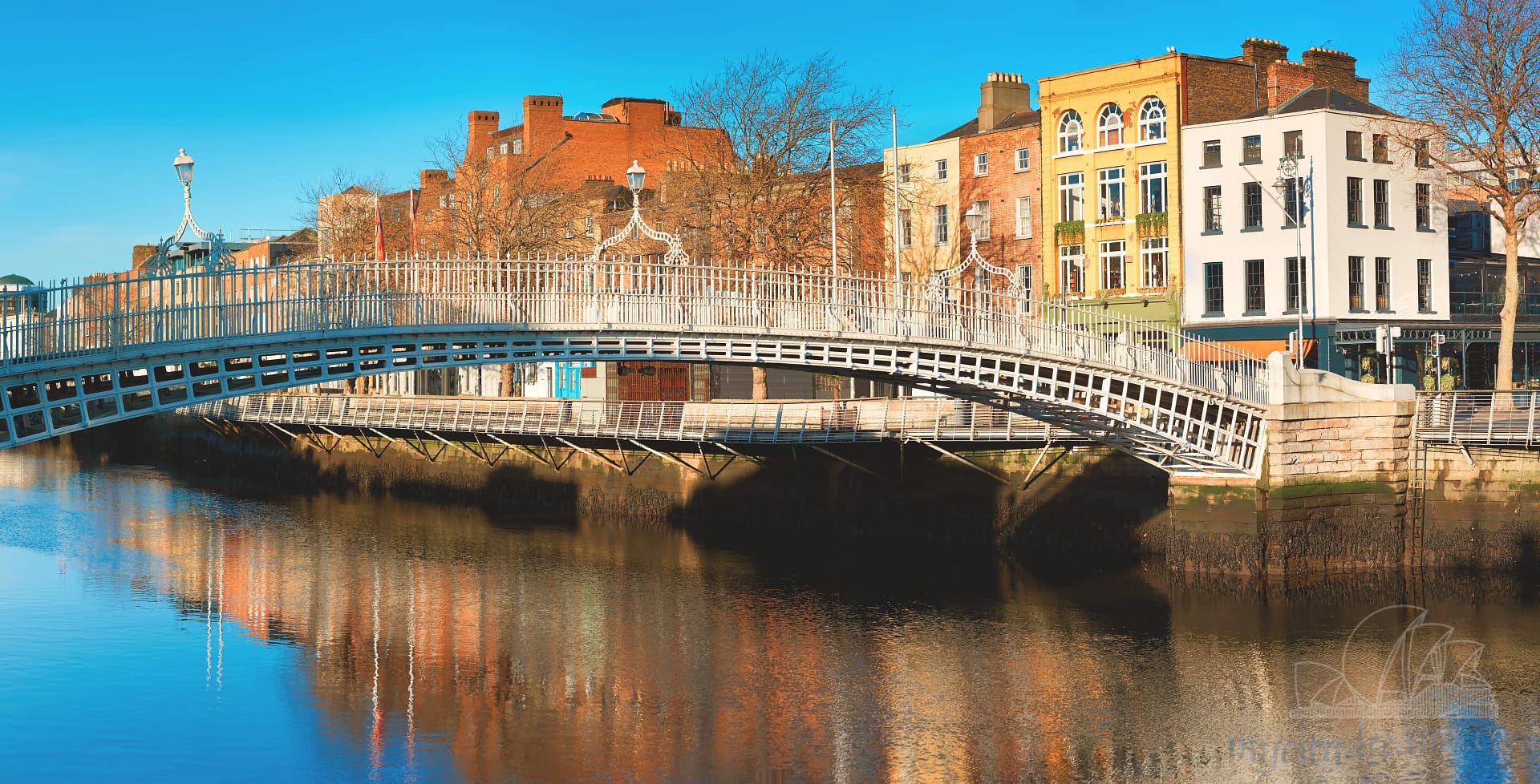
Nestled along the River Liffey, Dublin is a city that seamlessly blends rich history, vibrant culture, and modern charm—all accessible to budget travelers. Known worldwide for its welcoming atmosphere, lively pubs, and literary heritage, Dublin offers an authentic Irish experience that doesn’t require a hefty price tag. Whether you’re wandering through historic streets, enjoying free cultural events, or sampling local cuisine without overspending, Dublin proves that memorable travel can be affordable. Its compact size makes it easy to explore on foot or by affordable public transport, allowing visitors to maximize their experience without stretching their budget. From iconic landmarks to hidden gems, Dublin invites travelers to immerse themselves in its lively spirit while keeping costs low.
In this guide, you’ll discover practical tips for budget-friendly accommodations, delicious yet inexpensive dining options, and free or low-cost attractions that highlight Dublin’s unique character. We’ll also share insider insights on how to experience the city like a local, ensuring your getaway is both affordable and unforgettable. Get ready to uncover the magic of Dublin without overspending—your budget-friendly Irish adventure starts here!

Need something to watch on the plane? With Prime Video, you can download movies and series before you take off and watch them offline for free during your trial.
The Guinness Storehouse: Ireland’s Iconic Beer Museum
Introduction and Location
The Guinness Storehouse stands as one of Dublin’s most celebrated attractions, offering visitors an immersive journey into Ireland’s most famous export—beer. Situated in the heart of Dublin’s St. James’s Gate Brewery, this sprawling complex is easily accessible via public transport or by car, with dedicated parking available nearby. Its central location makes it an ideal stop for travelers exploring Dublin on a budget, as entry fees are reasonable compared to other major attractions, and the experience provides excellent value for money.
Main Features and Highlights
The Storehouse spans seven floors, each dedicated to different aspects of Guinness’s history, brewing process, and cultural significance. Visitors are greeted with a stunning panoramic view of Dublin from the Gravity Bar, located on the top floor, which offers a complimentary pint of Guinness with admission. Throughout the museum, interactive exhibits showcase the history of Arthur Guinness, the brewing techniques, and the social impact of the stout.
- Brewing Process: Engage with interactive displays demonstrating the art and science behind brewing Guinness, including the importance of water, barley, hops, and yeast.
- Historical Exhibits: Discover the story of Arthur Guinness and the evolution of the brewery since 1759.
- Tasting Experiences: Learn the proper way to pour a perfect pint and enjoy tastings included with admission.
Why It’s Worth Visiting
For budget travelers, the Guinness Storehouse offers an affordable and memorable experience that combines education, entertainment, and culture. The interactive nature of the exhibits makes it engaging for all ages, and the panoramic views from the Gravity Bar provide a stunning backdrop for photos. Additionally, the museum’s focus on Irish heritage makes it a meaningful visit that deepens understanding of Dublin’s identity. The experience is well-organized, and the on-site café and gift shop provide options for souvenirs without overspending.
Practical Tips for Visitors
- Book tickets online in advance to secure discounts and avoid long queues.
- Visit early in the day or late afternoon to beat crowds.
- Allow at least two hours to explore thoroughly.
- Bring comfortable shoes, as the museum involves a fair amount of walking and standing.

The National Museum of Ireland: Archaeology and History
Introduction and Location
The National Museum of Ireland’s Archaeology and History branch, located on Kildare Street in Dublin city center, offers an enriching experience for those interested in Ireland’s ancient past. This museum is particularly appealing to budget travelers because admission is free, and its exhibits are both educational and captivating. The museum’s central location makes it easy to combine with other city sights, and its proximity to Trinity College and Grafton Street makes it a convenient stop during a day of sightseeing.
Main Features and Highlights
The museum houses a vast collection of artifacts spanning Ireland’s history from prehistoric times to the Middle Ages. Its most famous displays include the spectacular gold and bronze age jewelry, ancient weapons, and Viking relics. The highlight of the museum is the collection of bog bodies—preserved human remains dating back thousands of years, offering a rare glimpse into prehistoric life.
- Prehistoric Ireland: Discover stone tools, pottery, and cave paintings that reveal early human activity.
- Viking and Medieval Ireland: Explore artifacts from Dublin’s Viking era, including weapons, jewelry, and everyday objects.
- Mythology and Folklore: The museum features displays on Irish mythology, including legendary figures and ancient legends.
Why It’s Worth Visiting
This museum’s free entry makes it an excellent choice for travelers on a budget who seek a deep understanding of Ireland’s rich history. The exhibits are well-curated, with detailed descriptions that appeal to both casual visitors and history enthusiasts. The museum’s architecture itself is impressive, with a grand neoclassical facade that adds to the overall experience. Visiting here provides context for Ireland’s cultural identity, making it a meaningful addition to any Dublin itinerary.
Practical Tips for Visitors
- Allocate at least two hours to explore the exhibits thoroughly.
- Check for temporary exhibitions or special events during your visit.
- Use the free Wi-Fi to access additional information and audio guides.
- Visit the museum shop for affordable souvenirs related to Irish history.
Trinity College and the Book of Kells
Introduction and Location
Located in the heart of Dublin, Trinity College Dublin is one of Ireland’s most historic and iconic sites. Established in 1592, the college boasts a stunning medieval architecture and a vibrant academic atmosphere. The main attraction here is the world-famous Book of Kells, an illuminated manuscript dating back to the 9th century. For budget travelers, visiting Trinity College offers a rich cultural experience at a reasonable price, especially if you plan your visit during off-peak hours or seek combination tickets that include other college attractions.
Main Features and Highlights
The highlight of Trinity College is undoubtedly the Long Room Library, which houses over 200,000 old books in a breathtaking setting. The library’s wooden shelves, arched ceiling, and historic ambiance make it a must-see. The Book of Kells exhibit, housed in the Old Library, showcases the beautifully illuminated manuscript created by Celtic monks. Visitors can view detailed reproductions and learn about the manuscript’s history and significance.
- Old Library and Long Room: Marvel at the historic collection of manuscripts, rare books, and the stunning architecture.
- Book of Kells: Explore the illuminated manuscript, with detailed displays explaining its artistry and cultural importance.
- Trinity College Grounds: Wander the historic quadrangles, gardens, and courtyards for free, offering picturesque photo opportunities.
Why It’s Worth Visiting
For those traveling on a budget, Trinity College offers an affordable glimpse into Ireland’s literary and artistic heritage. The combination of historic architecture, rare manuscripts, and scenic grounds creates a comprehensive cultural experience. Visiting during the early morning or late afternoon can help avoid crowds and make the experience more intimate. Additionally, the college’s central location makes it easy to include in a day’s itinerary alongside other city sights.
Practical Tips for Visitors
- Buy tickets online in advance to avoid long lines, especially during peak season.
- Allocate at least two hours to explore the library and Book of Kells exhibit.
- Visit early or late in the day for a quieter experience.
- Take advantage of free guided tours or audio guides for deeper insights.

Each of these attractions offers a unique perspective on Dublin’s rich culture, history, and heritage, all while remaining accessible for travelers on a budget. Whether exploring Ireland’s brewing traditions, ancient artifacts, or literary treasures, visitors are sure to find memorable experiences that deepen their appreciation of Dublin’s vibrant character.
Best Time to Visit Dublin: A Practical Guide for Budget Getaways
Understanding Dublin’s Climate and Weather
Dublin experiences a temperate maritime climate, characterized by mild winters and cool summers. The weather can be unpredictable, with frequent rain showers throughout the year. For budget travelers, packing versatile clothing and waterproof gear is essential. Visiting during the shoulder seasons—spring and autumn—often offers milder weather and fewer rainfalls, making outdoor exploration more enjoyable without the summer crowds.
Peak Tourist Seasons and Their Impact
The busiest time to visit Dublin is during the summer months from June to August. During this period, the city buzzes with festivals, events, and longer daylight hours. However, prices for accommodations and flights tend to soar, and popular attractions can be crowded. If you aim to save money, consider traveling during these months but plan well in advance for deals or opt for less central accommodations.
Advantages of Visiting During Off-Peak Periods
Autumn (September to November) and early spring (March to May) are ideal for budget travelers. During these months, you’ll find lower prices, fewer tourists, and a more relaxed atmosphere. Additionally, many cultural festivals and events occur during these seasons, offering authentic experiences without the crowds. The weather is generally still mild enough for city walks and outdoor activities, especially with proper planning.
Summary of Pros and Cons
| Timing | Pros | Cons |
|---|---|---|
| Summer (June–August) | Vibrant festivals, long days, lively atmosphere | Higher prices, crowded attractions |
| Autumn & Spring (March–May, September–November) | Lower costs, fewer tourists, pleasant weather | Variable weather, some attractions may have limited hours |
| Winter (December–February) | Lowest prices, festive events, cozy atmosphere | Cold weather, shorter days, limited outdoor activities |
In conclusion, for budget-conscious travelers, the best times to visit Dublin are during the shoulder seasons. These periods offer a balance of manageable weather, fewer crowds, and more affordable prices—perfect for exploring the city without breaking the bank.
Getting to Dublin: Your Ultimate Guide for Budget Travelers
Flights to Dublin
Travelers seeking the most convenient and often cost-effective option should consider flying into Dublin Airport (DUB). Several budget airlines operate direct flights from major European hubs, making it accessible without breaking the bank. Look for deals on low-cost carriers such as Ryanair and Aer Lingus, especially if you book in advance or during sales periods. To find the best fares, compare prices across multiple booking platforms and consider flying mid-week, which often offers lower prices. Dublin Airport is well-connected to the city center, with frequent bus and shuttle services.
Train and Bus Options
If you’re already in Europe, trains provide a scenic and budget-friendly way to reach Dublin. The Irish Rail network connects Dublin with cities across Ireland and some routes from the UK. For example, traveling from Belfast or Cork by train offers affordable fares and comfortable journeys.
For those traveling from the UK, ferry services from Holyhead, Liverpool, or Portsmouth to Dublin are economical options, especially if you prefer to bring a vehicle or save on flight costs. Once in Ireland, buses are a popular, inexpensive choice for city travel and intercity routes. Companies like Bus Éireann and Dublin Bus operate extensive networks, making it easy to explore on a budget.
Driving to Dublin
Renting a car is a flexible option, especially if you’re planning to explore rural Ireland or travel with a group. Major rental agencies operate at Dublin Airport and city locations. Remember, driving in Ireland involves driving on the left side, and toll roads are common on some routes.
Travel Tips for Budget Travelers:
– Always compare prices for flights, trains, and buses early to snag the best deals.
– Consider overnight buses or trains for saving on accommodation costs.
– Use public transportation within Dublin to cut down on expenses.
– Check for discounts or travel passes that offer unlimited travel within the city or region.
Important Travel Information:
– Dublin Airport is approximately 10 km from the city center, with multiple affordable transport options.
– Irish weather can be unpredictable; pack accordingly, especially if traveling by road or train.
– Keep an eye on travel advisories or seasonal deals to maximize your budget.
Best Places to Stay in Dublin for Every Budget
Whether you’re planning a quick weekend escape or an extended cultural journey, Dublin offers a range of accommodations tailored to every budget. From luxurious hotels with historic charm to affordable hostels perfect for budget travelers, the city ensures a memorable stay without breaking the bank. Here’s a guide to help you find the ideal place to rest your head during your Dublin adventure.
Luxury Options: Indulge in Dublin’s Finest
If you seek opulence and exceptional service, Dublin’s luxury hotels promise an unforgettable experience. The Shelbourne Hotel stands out as a historic icon, dating back to 1824. Nestled in the heart of the city, it offers elegant rooms, world-class dining, and a renowned spa. Its central location makes it perfect for exploring Dublin’s top attractions.
Another excellent choice is the Mespil Hotel. Though slightly more modern, it combines contemporary comfort with sophisticated decor. Guests appreciate its spacious rooms, attentive staff, and proximity to the Grand Canal Dock, ideal for those wanting to enjoy Dublin’s vibrant business and cultural districts.
Mid-Range Stays: Comfort with Value
For travelers seeking a balance between comfort and affordability, Dublin boasts numerous mid-range hotels. The Clontarf Castle Hotel offers a unique experience within a restored 12th-century castle. It blends historic charm with modern amenities, including a spa, golf course, and stylish rooms. Its location on the outskirts of the city provides a peaceful retreat while remaining accessible via public transport.
The Camden Court Hotel is another popular choice. Located near Trinity College, it provides comfortable rooms, friendly service, and easy access to Dublin’s lively pubs, shopping streets, and cultural sites. Its affordability makes it a favorite among mid-range travelers wanting to explore without overspending.
Budget-Friendly Options: Explore Without Excess
For those traveling on a tight budget, Dublin offers numerous hostels and budget hotels that do not compromise on cleanliness or safety. The Generator Hostel Dublin is a standout, featuring modern dormitories and private rooms. Its social atmosphere, lively bar, and communal spaces make it perfect for meeting fellow travelers.
The Abbey Court Hostel provides simple, clean accommodations in a prime location near Temple Bar. It’s ideal for backpackers and solo travelers eager to immerse themselves in Dublin’s vibrant nightlife and cultural scene without overspending.
Summary Table of Accommodation Options
| Budget Level | Recommended Hotels | Highlights |
|---|---|---|
| Luxury | Shelbourne Hotel, Mespil Hotel | Historic charm, top amenities, central locations |
| Mid-Range | Clontarf Castle Hotel, Camden Court Hotel | Comfort, good value, unique settings |
| Budget | Generator Hostel, Abbey Court Hostel | Affordable, social atmosphere, prime locations |
Ultimately, Dublin’s diverse accommodations ensure every traveler finds a perfect fit. Whether you desire luxury, comfort, or budget-friendly options, the city welcomes you with warm Irish hospitality and unforgettable experiences.
Essential Travel Products for Visiting Dublin
1. Dublin City Travel Pass
The Dublin City Travel Pass is a must-have for budget-conscious travelers eager to explore the city efficiently. This all-in-one card combines unlimited access to Dublin’s public transportation network, including buses, trams, and trains, with discounts on major attractions. Its versatility allows visitors to hop on and off at popular sites like Trinity College, Dublin Castle, and the Guinness Storehouse without worrying about individual fares. The pass is available in various durations—24 hours, 48 hours, or 72 hours—making it adaptable to different itineraries.
One of the key features of this pass is its ease of use. Simply purchase the card online or at designated stations, and load it with your preferred duration. It eliminates the need to carry cash or purchase multiple tickets daily. Additionally, the pass often includes special offers at local restaurants and shops, helping travelers save even more during their stay. For those planning to explore Dublin extensively over a short period, this product provides excellent value and convenience. You can buy the Dublin City Travel Pass at official transportation websites or authorized vendors across the city.
2. Compact Travel Umbrella with Windproof Design
Given Dublin’s unpredictable weather, a reliable, compact umbrella is an essential accessory. The windproof travel umbrella offers durability and portability, making it perfect for budget travelers on the go. Its sturdy construction features reinforced ribs and a flexible canopy, allowing it to withstand Dublin’s gusty conditions without flipping inside out.
This umbrella folds down to a small size, fitting easily into a backpack or purse, which is ideal for spontaneous rain showers. Its lightweight design ensures it won’t add extra weight to your luggage, while the water-resistant fabric keeps you dry during sudden downpours. Many models also feature UV protection, providing shade during sunny spells. You can purchase high-quality windproof umbrellas at outdoor gear stores, Amazon, or local Dublin shops. Investing in this product ensures you stay comfortable and dry without splurging on expensive weather gear, making it a smart choice for budget travelers.
Budget Travel Guide Books for Dublin
1. “Budget Travel Guide Dublin” (Available on Kindle Unlimited and Audible)
This comprehensive guide is tailored specifically for travelers seeking affordable ways to experience Dublin. It covers free and low-cost attractions, budget-friendly dining options, and economical accommodation suggestions. The book emphasizes exploring Dublin’s rich history and vibrant neighborhoods without overspending, making it perfect for backpackers and students. It also includes insider tips on avoiding tourist traps and discovering hidden gems, ensuring travelers get authentic experiences at a fraction of the usual cost. The guide’s practical itineraries and maps help visitors maximize their limited budgets while enjoying the city’s best offerings.
2. “Dublin on a Dime: The Ultimate Budget Travel Companion” (Available on Kindle Unlimited and Audible)
This book offers detailed advice on how to enjoy Dublin without breaking the bank. It features budget hacks for transportation, affordable dining spots, and free cultural activities. The author shares personal anecdotes and tips for saving money on entrance fees and guided tours. Additionally, it highlights budget-friendly accommodations and hostels, along with suggestions for inexpensive shopping and entertainment. This guide is especially useful for first-time visitors who want to experience Dublin’s lively atmosphere without overspending, providing practical strategies to stretch every euro further.
3. “Cheap & Cheerful Dublin: A Budget Traveler’s Guide” (Available on Kindle Unlimited and Audible)
Designed for travelers who prioritize cost savings but still want a fun and memorable trip, this guide focuses on the essentials. It features curated lists of free events, walking tours, and community activities that showcase Dublin’s culture. The book also provides tips on finding affordable meals, budget accommodations, and transportation options. Its engaging writing style and curated recommendations make it easy for travelers to plan an enjoyable trip without financial stress. Whether you’re backpacking or traveling on a tight budget, this guide helps you discover Dublin’s vibrant spirit without overspending.
In summary, combining practical travel products like the Dublin City Travel Pass and a durable umbrella with insightful budget travel books can significantly enhance your Dublin experience. These resources empower you to explore the city’s highlights affordably while uncovering its hidden treasures, making your trip both memorable and budget-friendly.
Unlimited access to Lonely Planet, Rough Guides, and more – free trial available!
Frequently Asked Questions About Budget Travel in Dublin
1. How can I explore Dublin on a tight budget?
Exploring Dublin without overspending is entirely possible with some strategic planning. Start by taking advantage of free attractions such as Trinity College’s Book of Kells, St. Stephen’s Green, and the National Museum of Ireland. Walking is a fantastic way to see the city’s historic streets and vibrant neighborhoods, saving transportation costs. Utilize the Dublin Bus and Luas tram systems, which offer affordable day passes. Additionally, many pubs and cafes host free live music nights, providing authentic Irish experiences without extra costs. Planning your sightseeing around free or low-cost activities ensures you make the most of your budget while immersing yourself in Dublin’s rich culture.
2. Where are the best budget-friendly accommodations in Dublin?
For travelers seeking affordable stays, Dublin offers numerous budget-friendly options. Hostels like Generator Dublin and Abigail’s Hostel are popular choices, offering clean, comfortable dorms and private rooms at reasonable prices. Budget hotels such as the Dublin Central Inn and Travelodge Dublin City Centre also provide good value, often including complimentary breakfast. Consider booking accommodations slightly outside the city center, such as in Phibsborough or Drumcondra, where prices tend to be lower. Always compare online reviews and book in advance to secure the best deals, especially during peak travel seasons.
3. What are some cost-effective dining options in Dublin?
Dining on a budget in Dublin is easy with its diverse food scene. Look for local cafes, food markets, and casual eateries offering hearty meals at affordable prices. Popular options include the Dublin Food Co-op, which features local produce and budget-friendly options, and street food vendors at the Temple Bar Food Market. For quick bites, try fish and chips shops or traditional Irish pubs with daily specials. Many restaurants also offer early bird menus or student discounts, so it’s worth asking. Cooking your own meals using ingredients from supermarkets like Lidl or Aldi is another excellent way to save money.
4. Are there any free or cheap cultural activities in Dublin?
Absolutely! Dublin is rich in history and culture, much of which can be enjoyed free of charge. Visit the National Gallery of Ireland and the Irish Museum of Modern Art for free entry. Walk through historic neighborhoods like Temple Bar and Grafton Street, soaking in lively street performances and local art. Attend free events and festivals, which often happen during the summer months. Additionally, many churches and historic sites, such as Christ Church Cathedral and St. Patrick’s Cathedral, offer discounted entry on certain days or times. These activities provide deep cultural insights without straining your budget.
5. How can I save money on transportation in Dublin?
To keep transportation costs low, consider purchasing a Leap Card, which offers discounted fares on buses, trams, and trains. Walking is also a practical option for exploring central Dublin, especially since many attractions are within walking distance. Biking is another affordable and eco-friendly alternative; Dublin Bikes provides budget-friendly bike rentals with numerous stations around the city. If planning multiple trips, daily or weekly travel passes can significantly reduce transportation expenses. Planning routes in advance and avoiding taxis unless necessary will further help you stay within your budget.
6. When is the best time to visit Dublin for budget travelers?
The shoulder seasons of spring (April to June) and fall (September to November) are ideal for budget travelers. During these periods, accommodation prices tend to be lower, and the city is less crowded. Summer (July and August) is peak tourist season, which means prices are higher, and availability can be limited. Winter months, excluding the festive season, often feature discounted rates on hotels and flights. Additionally, many cultural festivals and events happen during the shoulder seasons, offering authentic experiences without the crowds and high prices of peak summer.
7. What are some unique budget-friendly experiences in Dublin?
For a truly memorable yet affordable experience, consider exploring Dublin’s literary heritage by visiting the Dublin Writers Museum or taking a free literary walking tour. Enjoy panoramic views from the free-to-access Phoenix Park or the Dublin Castle gardens. Attend traditional Irish music sessions in local pubs, many of which are free or have a low cover charge. Participating in community-led events and markets, like the Dublin Flea Market, offers a taste of local life without spending much. These experiences allow you to connect deeply with Dublin’s culture while staying within your budget.

Going on holiday? Make sure you get cashback on all your bookings! From flights to travel insurance, every little saving adds up. Sign up now for free!
Discover Dublin on a Budget and Create Unforgettable Memories
In conclusion, Dublin offers an incredible blend of history, culture, and vibrant city life—all accessible without breaking the bank. By taking advantage of free or low-cost attractions such as Trinity College, St. Stephen’s Green, and the Guinness Storehouse, travelers can immerse themselves in the city’s rich heritage. Staying in budget-friendly accommodations like hostels or guesthouses, combined with affordable dining options such as local markets and traditional pubs, ensures your trip remains economical yet authentic. Additionally, utilizing public transportation and exploring off-the-beaten-path neighborhoods can significantly reduce expenses while providing a more genuine experience.
What makes Dublin truly stand out for budget travelers is its welcoming atmosphere and the ease of discovering hidden gems without overspending. Whether you’re wandering through historic streets, enjoying lively music sessions, or simply relaxing in scenic parks, Dublin promises a memorable adventure for every budget-conscious explorer. Remember, the essence of budget travel is to connect with the destination authentically, and Dublin excels in offering that opportunity.
So, why wait? Start planning your budget getaway to Dublin today and unlock the city’s treasures without stretching your finances. With careful planning and an open mind, you can experience the magic of Dublin and create stories to cherish forever.
Are you entitled to compensation for a delayed flight?