Complete Guide to Brussels
Complete Guide to Brussels: Discover the Heart of Europe
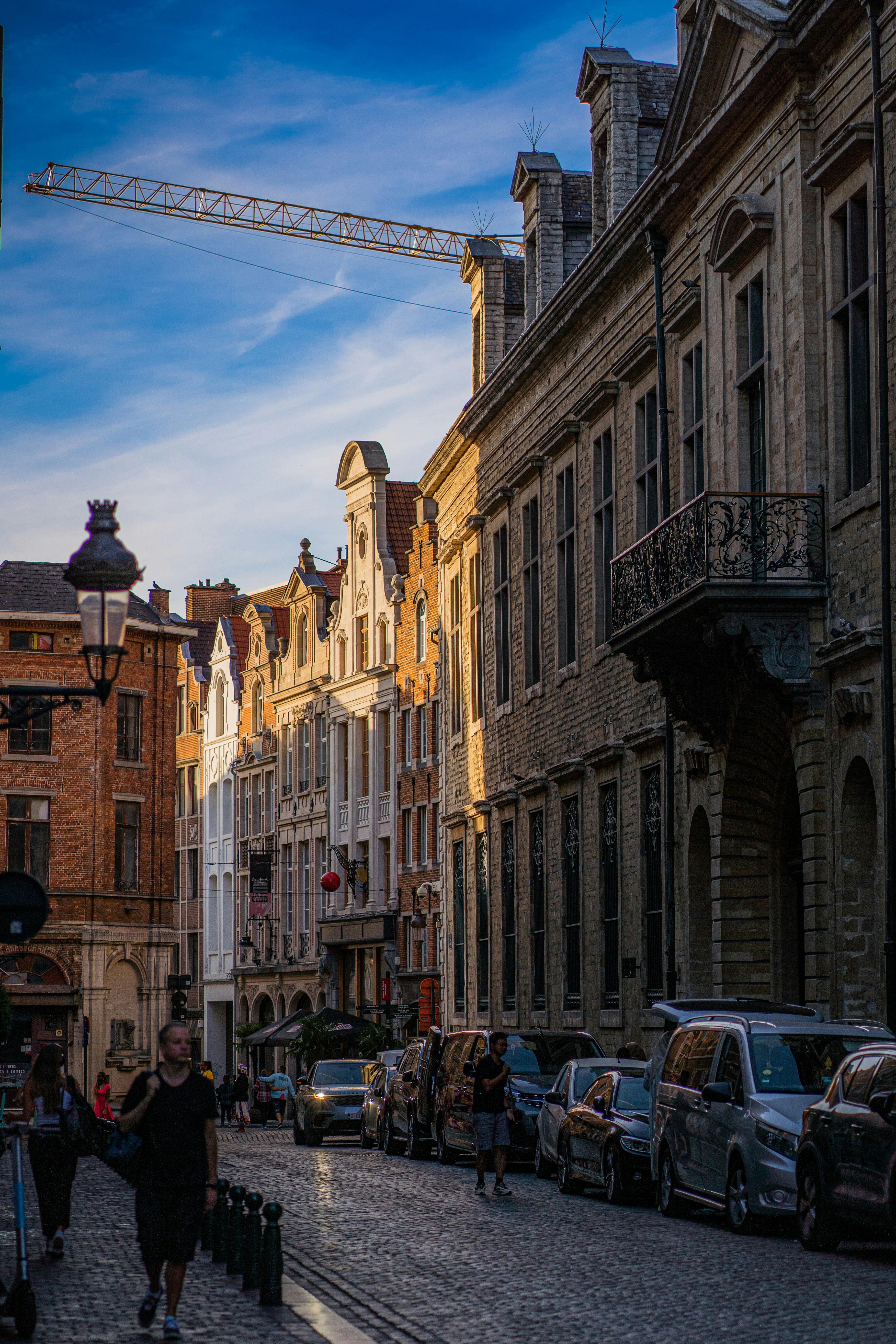
Brussels stands as a vibrant fusion of history, culture, and modern innovation, making it a must-visit destination for travelers seeking a truly unique European experience. As the capital of Belgium and the administrative hub of the European Union, Brussels exudes an energetic atmosphere that reflects its role on the world stage. The city’s blend of medieval architecture, contemporary design, and lively neighborhoods creates an inviting environment for explorers of all interests. Whether you’re captivated by its historic landmarks, intrigued by its cosmopolitan vibe, or eager to indulge in world-renowned cuisine, Brussels offers something for everyone. Its compact size allows visitors to immerse themselves in diverse experiences—walking through charming streets, exploring vibrant markets, or relaxing in scenic parks. This guide will take you through the essential aspects of Brussels, revealing hidden gems, cultural insights, and practical tips to ensure your trip is both memorable and enriching. Prepare to uncover the city’s unique charm and discover why Brussels continues to enchant travelers from around the globe.
Traveling solo? Prime Video is the perfect companion. Enjoy your favorite movies, series, and even exclusive Prime Originals for free during the trial period!
Top Attractions in Brussels: Discovering the Heart of Belgium
Brussels, the vibrant capital of Belgium, is renowned for its rich history, stunning architecture, and lively cultural scene. Whether you’re a history enthusiast, art lover, or simply seeking to immerse yourself in Belgian charm, the city offers an array of captivating attractions. Here, we explore the top three must-visit sites that truly define Brussels’ unique character. Each destination promises an unforgettable experience, blending historical grandeur with modern vibrancy.
1. Grand Place (Grote Markt): The Architectural Jewel of Brussels
Location and Significance
The Grand Place, situated in the heart of Brussels’ historic center, is arguably the most iconic square in Belgium. Nestled between the Rue du Marché aux Herbes and the Rue de la Colline, this UNESCO World Heritage site is a masterpiece of Gothic and Baroque architecture. The square’s central position makes it easily accessible from all parts of the city, serving as a hub for both locals and tourists alike.
Main Features
The grandeur of the Grand Place is evident in its stunning guild houses, the Town Hall, and the King’s House (Maison du Roi). The Town Hall, built in the 15th century, features a towering spire topped with a statue of Saint Michael, symbolizing protection. The guild houses, each with unique facades, showcase intricate carvings, gilded details, and vibrant colors that narrate Brussels’ medieval prosperity.
During the year, the square hosts various events, including the famous Flower Carpet event held every two years in August, where millions of begonias create a breathtaking tapestry across the cobblestones. The square is illuminated beautifully at night, offering a magical ambiance.
Why It’s Worth Visiting
- Experience the historical grandeur of medieval Brussels in a lively setting.
- Enjoy the vibrant atmosphere during festivals and markets.
- Capture stunning photographs of architectural masterpieces.
- Learn about Brussels’ history through guided tours and informational plaques.
Practical Information
- Best time to visit: Spring and summer for festivals, but the square is lively year-round.
- Opening hours: Open 24/7 for strolling; guided tours available during the day.
- Accessibility: Central location with good public transport links, including Brussels Central Station.
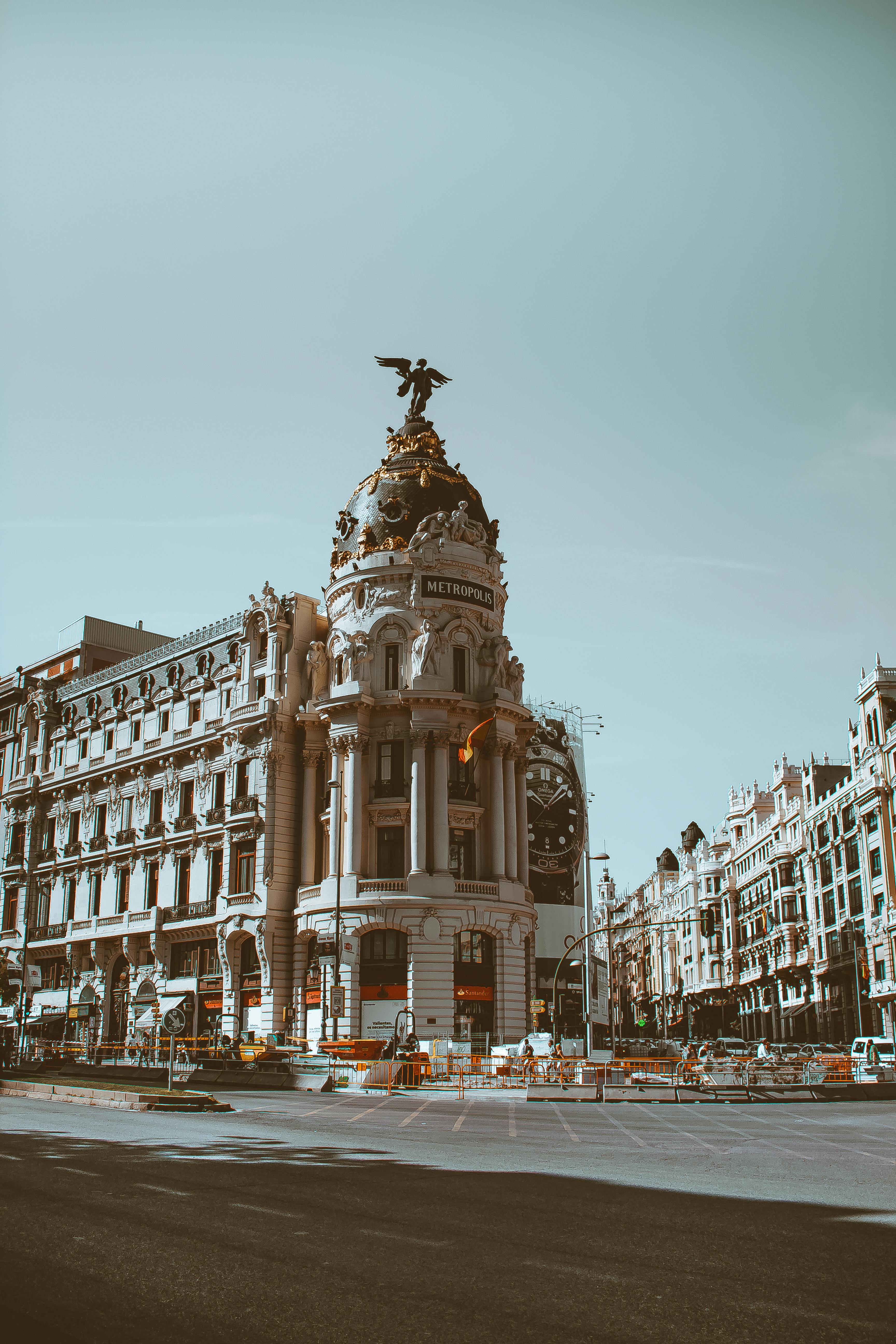
2. Atomium: A Futuristic Icon and Architectural Marvel
Location and Background
Perched in the Heysel Park, the Atomium is an unmistakable symbol of Brussels and Belgium’s innovation spirit. Constructed for the 1958 Brussels World’s Fair (Expo 58), this unique structure was designed by engineer André Waterkeyn and architects André and Jean Polak. Originally intended as a temporary exhibit, it has since become a permanent fixture and a must-see destination for visitors seeking modern architecture intertwined with scientific symbolism.
Main Features
The Atomium consists of nine interconnected spheres, each with a diameter of 18 meters, connected by tubes that serve as escalators. The spheres symbolize an iron crystal magnified 165 billion times, representing scientific progress and atomic age optimism. Visitors can explore several spheres, which house exhibitions, a panoramic restaurant, and viewing platforms offering panoramic views of Brussels.
The top sphere provides a 360-degree vista of the city, allowing visitors to appreciate Brussels’ skyline and surrounding countryside. The structure’s gleaming stainless steel surface reflects sunlight, creating a striking visual effect, especially during sunset.
Why It’s Worth Visiting
- Experience cutting-edge architecture that blends science, art, and history.
- Enjoy panoramic views of Brussels from the highest sphere.
- Participate in interactive exhibitions inside the spheres.
- Learn about the history of Expo 58 and Belgium’s technological innovations.
Practical Information
- Opening hours: Typically from 10 am to 6 pm; check the official website for seasonal timings.
- Tickets: Available online or at the entrance; combined tickets include access to exhibitions and the panoramic terrace.
- Accessibility: Fully accessible for visitors with mobility challenges.
- Getting there: Easily reachable via tram lines 7 and 51, or by bus from Brussels city center.
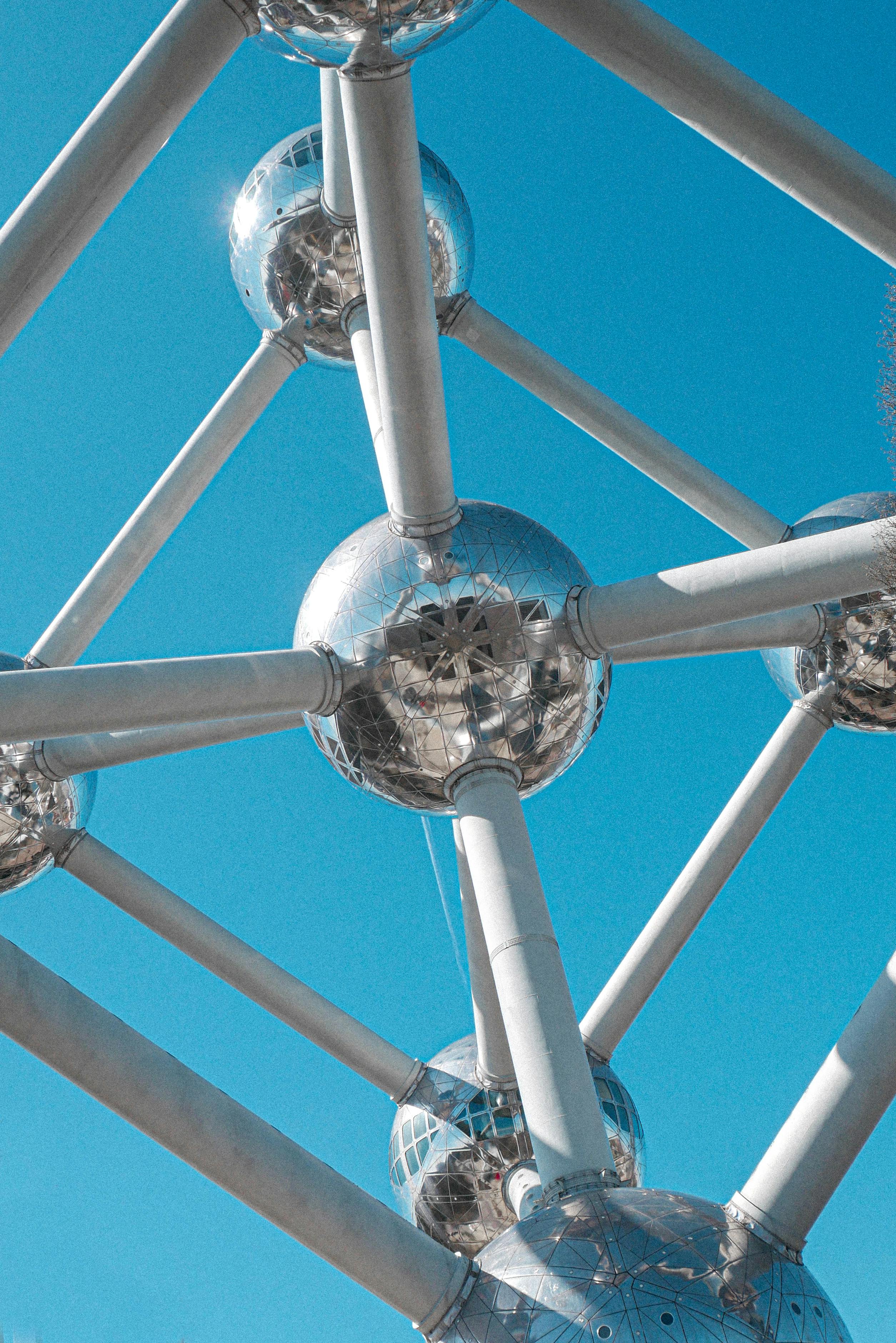
3. Royal Palace of Brussels: The Official Residence of the Belgian Monarchy
Location and Historical Context
Located in the Place des Palais (Palace Square), the Royal Palace serves as the official residence and workplace of the Belgian monarch. Situated in the historic center, it stands as a symbol of Belgium’s constitutional monarchy and national heritage. Built in the late 18th century, the palace has witnessed numerous historical events and royal ceremonies, making it a significant cultural landmark.
Main Features
The façade of the Royal Palace is an impressive neoclassical structure with 17 columns supporting a grand portico. The palace’s interiors are equally magnificent, featuring richly decorated rooms, gilded furniture, and exquisite artworks. During the summer months, the palace is open to the public for guided tours, allowing visitors to explore state rooms, ballrooms, and the throne room.
Outside, the vast Royal Gardens provide a peaceful retreat with beautifully maintained lawns, fountains, and statues. The Changing of the Guard ceremony, held regularly in front of the palace, offers a glimpse into royal traditions and is a popular spectacle for visitors.
Why It’s Worth Visiting
- Discover the grandeur of Belgian royal history and architecture.
- Experience the pomp and ceremony of the Changing of the Guard.
- Enjoy the scenic Royal Gardens, perfect for leisurely walks.
- Gain insight into Belgium’s monarchy through guided tours and exhibits.
Practical Information
- Visiting period: Guided tours available from July to September; check the official schedule.
- Opening hours: Usually from 10 am to 4 pm during the tour season.
- Admission: Tickets can be purchased online or on-site; guided tours are recommended for a richer experience.
- Getting there: Located within walking distance from Brussels Central Station or accessible via tram lines 92 and 93.
Conclusion
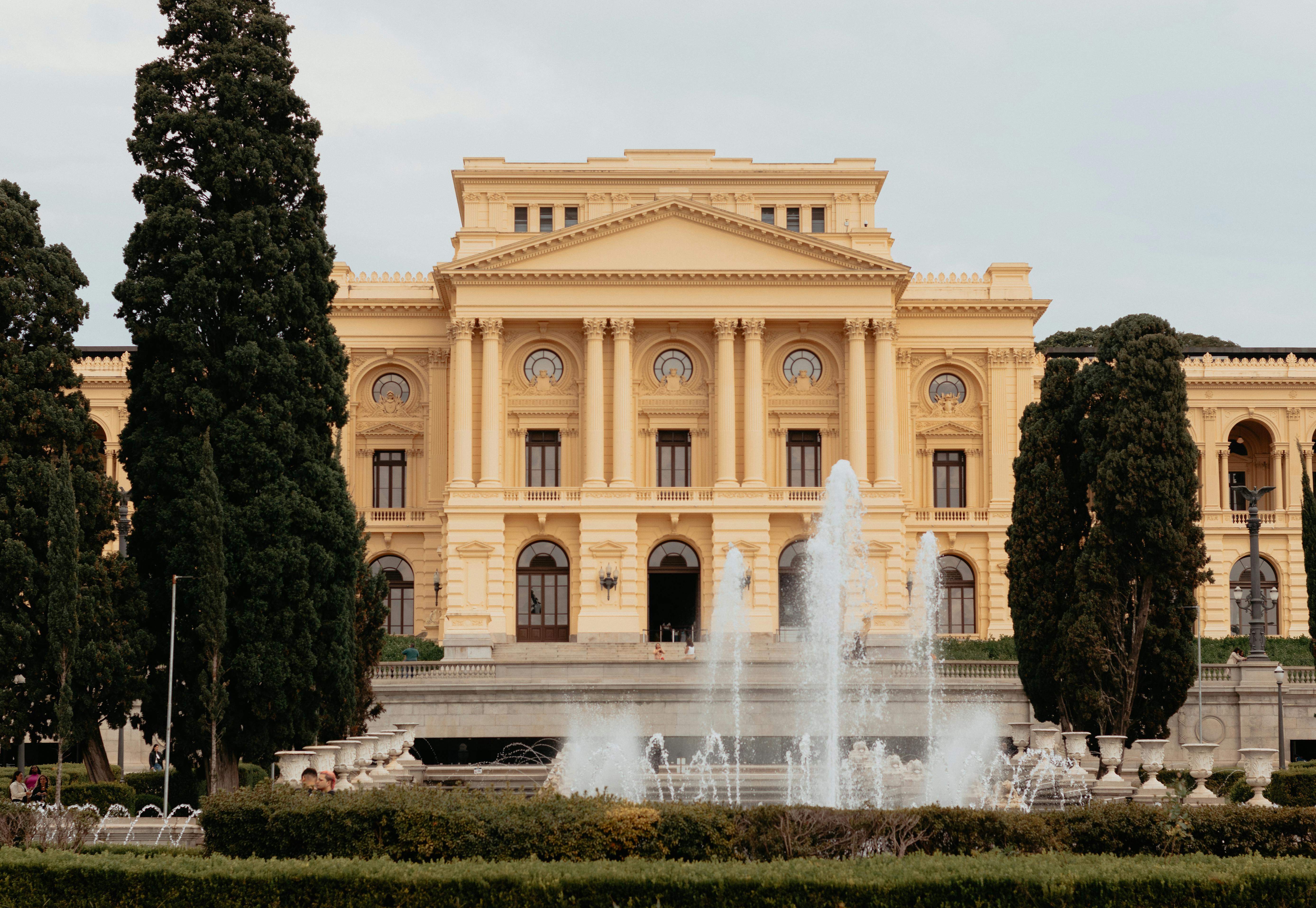
Brussels’ top attractions each tell a story—of history, innovation, and monarchy—that collectively create a captivating tapestry of Belgian culture. From the historic grandeur of the Grand Place, through the futuristic marvel of the Atomium, to the regal elegance of the Royal Palace, each site offers a unique perspective on Brussels’ diverse identity. Whether you’re exploring the city’s past or marveling at its modern achievements, these attractions promise enriching experiences that will leave a lasting impression. Plan your visit accordingly, and immerse yourself in the vibrant spirit that makes Brussels a truly exceptional destination.
When Is the Best Time to Visit Brussels?
Understanding the Climate and Weather
Brussels experiences a temperate maritime climate, characterized by mild summers and cool winters. The best weather generally occurs from late spring to early autumn, roughly between May and September. During these months, temperatures range from 15°C to 25°C, making it ideal for outdoor exploration and enjoying the city’s vibrant street cafes. However, visitors should be prepared for occasional rain, especially in spring and autumn, so packing a light waterproof is advisable.
Peak Tourist Seasons
The busiest time to visit Brussels aligns with the summer months, especially June through August. During this period, the city buzzes with festivals, open-air markets, and cultural events. While the lively atmosphere is appealing, expect larger crowds at major attractions like Grand Place and the Atomium. Hotel prices tend to rise, and reservations should be made well in advance.
Off-Peak Benefits
Visiting during the shoulder seasons—spring (April to May) and early autumn (September)—can offer a more relaxed experience. These months typically feature fewer tourists, lower accommodation costs, and shorter lines at popular sights. Additionally, the weather remains pleasant enough for sightseeing, and the city’s parks and gardens are in full bloom or showcasing autumnal colors, adding to the visual appeal.
Practical Tips for Planning Your Visit
- For pleasant weather and fewer crowds, consider late spring or early autumn.
- Summer offers the most events but comes with higher prices and busier attractions.
- Winter, especially around Christmas, transforms Brussels with festive markets, but be prepared for cold weather and shorter days.
Summary: Pros and Cons of Visiting Brussels at Different Times
| Timing | Pros | Cons |
|---|---|---|
| Late Spring to Early Autumn (May – September) |
|
|
| Spring and Autumn (April, October) |
|
|
| Winter (December – February) |
|
|
In conclusion, choosing the best time to visit Brussels depends on your preferences. For ideal weather and lively events, late spring and early autumn are excellent options. However, if you prefer a quieter experience or festive holiday markets, winter could be the perfect season. Planning ahead ensures you can enjoy Brussels at its best, regardless of when you choose to go.
Getting to Brussels: Your Comprehensive Travel Guide
By Air
Brussels is well-connected globally through its two main airports: Brussels Airport (Zaventem) and Brussels South Charleroi Airport. Brussels Airport, located approximately 12 kilometers northeast of the city center, offers direct flights from major international hubs including London, New York, and Dubai. Many airlines, such as Brussels Airlines, Lufthansa, and Ryanair, operate regular services here. For travelers arriving from distant continents, booking a flight to Brussels Airport is often the most convenient option.
Brussels South Charleroi Airport primarily caters to budget airlines and is located about 50 kilometers south of the city. It’s ideal for those seeking affordable fares, especially from European destinations.
By Train
Traveling by train is a popular choice for visitors coming from neighboring countries. The city’s main station, Brussels Central, is a hub for high-speed trains like Thalys, Eurostar, and ICE. These trains connect Brussels to cities such as Paris, London, Amsterdam, and Cologne efficiently and comfortably. If you’re traveling from within Belgium, regional trains operated by SNCB/NMBS provide frequent service to Brussels from various cities and towns.
Booking tickets in advance can often secure better prices and guarantee seat availability, especially during peak travel times.
By Bus
Several bus companies, including FlixBus and Eurolines, offer affordable routes to Brussels from multiple European cities. Buses usually arrive at Brussels North or Brussels Midi stations, making them a practical option for budget travelers or those seeking flexible schedules.
While bus travel might take longer than trains or flights, it provides an economical and often direct route to the city center.
By Car Rental
If you prefer driving, car rentals are widely available at Brussels airports and city centers. Renting a car offers flexibility, especially if you plan to explore beyond Brussels or visit nearby regions like Flanders or Wallonia. Keep in mind that parking in the city can be limited and expensive, so plan accordingly. Also, familiarize yourself with Belgium’s driving rules and toll systems before setting out.
Travel Tips & Important Information
- Always carry a valid passport or ID, especially for international train or bus journeys.
- Check visa requirements if you’re traveling from outside the European Union.
- Consider purchasing an Interrail or Eurail pass for flexible train travel across Europe.
- For last-minute flights or train tickets, online booking platforms often offer discounts.
- Arrive at the airport or station at least two hours before your international departure.
Best Places to Stay in Brussels: Catering to Every Budget
Brussels, the vibrant heart of Europe, offers a diverse range of accommodations that suit all travelers’ needs and preferences. Whether you seek luxury, mid-range comfort, or budget-friendly options, this city has something for everyone. Here, we explore the top choices across different budgets, highlighting what makes each stand out in this dynamic destination.
Luxury Stays in Brussels
For travelers who desire an opulent experience, Brussels boasts several world-class hotels that blend elegance with impeccable service. The Hotel Amigo exemplifies refined luxury, situated just steps from Grand Place. Its historic façade conceals a modern, sophisticated interior with spacious rooms, plush furnishings, and top-tier amenities. Guests appreciate the personalized service and exquisite dining options, making it ideal for those seeking a memorable, indulgent stay.
Another excellent choice is the Sofitel Brussels Europe, located near the European Parliament. This hotel combines contemporary design with classic comfort, offering luxurious rooms, a wellness center, and a renowned restaurant. Its strategic location makes it perfect for business travelers or visitors wanting easy access to Brussels’ political and cultural hubs.
Mid-Range Options for Comfortable Stays
For travelers seeking a balance between comfort and affordability, Brussels has several well-rated mid-range hotels. The MEININGER Hotel Brussels City Center offers modern, clean rooms with a youthful vibe. Its location near the city center provides easy access to major attractions, and the friendly staff make it a popular choice for families and solo travelers alike.
The Hotel Queen Anne is another standout, blending classic charm with contemporary amenities. Located close to the Grand Place, it features cozy rooms and a welcoming atmosphere, perfect for those who want to explore Brussels without overspending. Its breakfast offerings and helpful staff add to the overall positive experience.
Budget-Friendly Accommodations
Budget travelers will find plenty of affordable options that do not compromise on quality. The Sleep Well Youth Hostel offers clean dormitories and private rooms at an unbeatable price. Located in the city center, it provides a social atmosphere and easy access to Brussels’ main sights, making it ideal for backpackers and young explorers.
The MEININGER Brussels City Center also caters to budget-conscious guests, providing comfortable rooms with modern amenities at a fraction of the cost of luxury hotels. Its communal spaces encourage social interaction, and its central location ensures visitors are never far from the action.
Summary Table of Accommodation Options
| Budget Level | Recommended Hotels | Highlights |
|---|---|---|
| Luxury | Hotel Amigo, Sofitel Brussels Europe | Elegant decor, prime locations, top-tier amenities |
| Mid-Range | MEININGER Hotel Brussels City Center, Hotel Queen Anne | Comfortable, well-located, excellent value |
| Budget | Sleep Well Youth Hostel, MEININGER Brussels City Center | Affordable, social atmosphere, central location |
Choosing the right accommodation in Brussels depends on your budget and travel style. From luxurious retreats to cozy hostels, each option provides a unique way to experience the city’s charm and history. No matter where you stay, Brussels’ vibrant neighborhoods and welcoming atmosphere promise an unforgettable visit.
Essential Travel Products for Visiting Brussels
1. Brussels City Card
The Brussels City Card is an invaluable tool for travelers eager to explore the city without hassle. This all-in-one pass offers free entry to over 40 museums and attractions, including the iconic Grand Place, the Magritte Museum, and the Royal Palace. Additionally, it provides unlimited access to public transportation, such as trams, buses, and metro lines, making it easy to navigate the city efficiently.
One of its key features is the inclusion of guided tours and discounts at various restaurants and shops, enhancing your cultural immersion and saving money. The card is available for durations ranging from 24 hours to 72 hours, allowing flexibility based on your itinerary. It can be conveniently purchased online through the official Brussels tourism website or at major transportation hubs upon arrival. For visitors looking to maximize their sightseeing while minimizing costs, the Brussels City Card is an essential companion, especially for first-time visitors eager to experience the city’s rich history and vibrant culture.
2. Compact Travel Umbrella
Brussels is renowned for its unpredictable weather, often featuring sudden rain showers, even during the summer months. A compact travel umbrella becomes an indispensable accessory for visitors. Look for models that are lightweight, wind-resistant, and easily foldable—such as the Repel Windproof Travel Umbrella. These umbrellas typically weigh under a pound and fold down to a small size, fitting comfortably into a bag or pocket.
This product’s durability ensures it withstands gusty winds, common in Brussels’ urban environment. Its water-repellent canopy keeps you dry without adding bulk, and some models feature automatic open and close mechanisms for quick deployment. You can find high-quality options at outdoor retailers like REI, Amazon, or local travel stores. Carrying a reliable umbrella ensures you stay comfortable while sightseeing, regardless of the weather, making your experience in Brussels more enjoyable and stress-free.
Guidebooks for Exploring Brussels
Complete Guide Brussels: Top Picks on Kindle Unlimited and Audible
When planning your trip to Brussels, a comprehensive guidebook can transform your experience from ordinary to extraordinary. The following titles, available on Kindle Unlimited and Audible, offer in-depth insights, local tips, and engaging narratives to help you navigate the city like a seasoned traveler.
1. “Brussels Travel Guide” by Lonely Planet
This guide provides a thorough overview of Brussels’ must-see sights, hidden gems, and cultural highlights. It includes practical tips on transportation, dining, and accommodations, making it ideal for first-time visitors. The book’s detailed maps and itineraries help travelers maximize their time, whether you want to explore historic sites or enjoy the vibrant nightlife. Its engaging tone and expert recommendations make it a trusted companion for planning your adventures.
2. “Discover Brussels: An Insider’s Guide” by Rick Steves
Rick Steves’ guide offers an insider’s perspective, emphasizing local experiences and authentic encounters. It features walking tours, lesser-known attractions, and suggestions for local eateries that aren’t overrun by tourists. The narrative style makes it easy to follow, and its practical advice on navigating public transport and etiquette enhances your confidence while exploring. Available on Kindle Unlimited and Audible, this book is perfect for travelers seeking a deeper, more personal connection to Brussels.
3. “Brussels: The Essential Guide” by Fodor’s Travel
This guide combines comprehensive coverage with elegant design, offering detailed itineraries and thematic tours. It highlights Brussels’ art, architecture, and culinary scene, helping visitors craft tailored experiences. The book also provides practical tips on shopping, nightlife, and family-friendly activities. Its availability on Audible allows you to listen on the go, making it convenient for busy travelers or those who prefer audio guides. Overall, it’s a valuable resource for making the most of your Brussels visit.
Incorporating these guidebooks into your travel planning ensures you gain local insights, discover hidden treasures, and enjoy a richer experience of Brussels. Whether you prefer reading on your Kindle or listening to an engaging narration on Audible, these resources will help you navigate the city with confidence and curiosity.
Upgrade your travels with digital guidebooks – free for 30 days!
Frequently Asked Questions About Brussels: Your Complete Guide
1. What is the best time of year to visit Brussels?
Brussels experiences a mild climate with distinct seasons, making it a year-round destination. However, the most favorable times to visit are during spring (April to June) and early autumn (September to October). During these months, the weather is generally pleasant, with temperatures ranging from 10°C to 20°C, ideal for exploring the city comfortably. Summer (July and August) can be warm, often exceeding 25°C, but it also brings more tourists and higher prices. Winter (December to February) is cold, with temperatures often dropping below freezing, but the city’s festive markets and holiday decorations create a magical atmosphere. Consider visiting during shoulder seasons for a balance of good weather and fewer crowds.
2. How can I get around Brussels efficiently?
Brussels boasts an extensive and efficient public transportation system, making it easy for travelers to navigate the city. The network includes buses, trams, and the metro, all operated by STIB/MIVB. A rechargeable card called the STIB Card offers unlimited travel within a set period, providing convenience and savings. Walking is also highly recommended, especially in the historic city center, where many attractions are within close proximity. Biking is gaining popularity, with dedicated bike lanes and bike rental services available. Taxis and ride-sharing options like Uber are also accessible for more comfort or late-night travel.
3. What are must-see attractions in Brussels?
Brussels is renowned for its blend of historic and modern sights. Key attractions include:
- The Grand Place: A UNESCO World Heritage site, famous for its ornate guildhalls and vibrant atmosphere.
- Manneken Pis: The quirky bronze statue symbolizing the city’s humor and charm.
- Atomium: An iconic structure representing atomic science, offering panoramic city views.
- Royal Palace of Brussels: The official palace of the Belgian royal family, open to visitors during summer months.
- European Quarter: Home to the European Parliament, perfect for those interested in politics and international affairs.
Additionally, explore the numerous museums, such as the Magritte Museum and the Museum of the City of Brussels, to deepen your cultural experience.
4. Is Brussels a safe city for travelers?
Yes, Brussels is generally safe for tourists. Like any major city, it’s important to stay vigilant, especially in crowded areas where pickpocketing can occur. Travelers should avoid poorly lit neighborhoods at night and keep valuables secure. The city’s police presence is noticeable, and emergency services are reliable. When exploring unfamiliar areas, it’s advisable to use reputable transportation options and stay informed about local safety tips. Overall, common sense and awareness will ensure a safe and enjoyable visit.
5. What are some local foods and beverages to try in Brussels?
Brussels is famous for its culinary delights. Be sure to indulge in:
- Belgian Waffles: Crispy on the outside, soft inside, topped with whipped cream, fruit, or chocolate.
- Chocolate: Belgium’s renowned pralines and truffles, available at numerous chocolatiers across the city.
- Frites: Thick-cut fries served with a variety of sauces, especially the classic mayonnaise.
- Beer: Sample local brews like Lambic, Gueuze, and Trappist ales at breweries or bars.
- Moules-Frites: Steamed mussels served with crispy fries, a Belgian classic.
Exploring local markets and cafes offers authentic tastes and a chance to experience Brussels’ rich culinary heritage firsthand.
6. 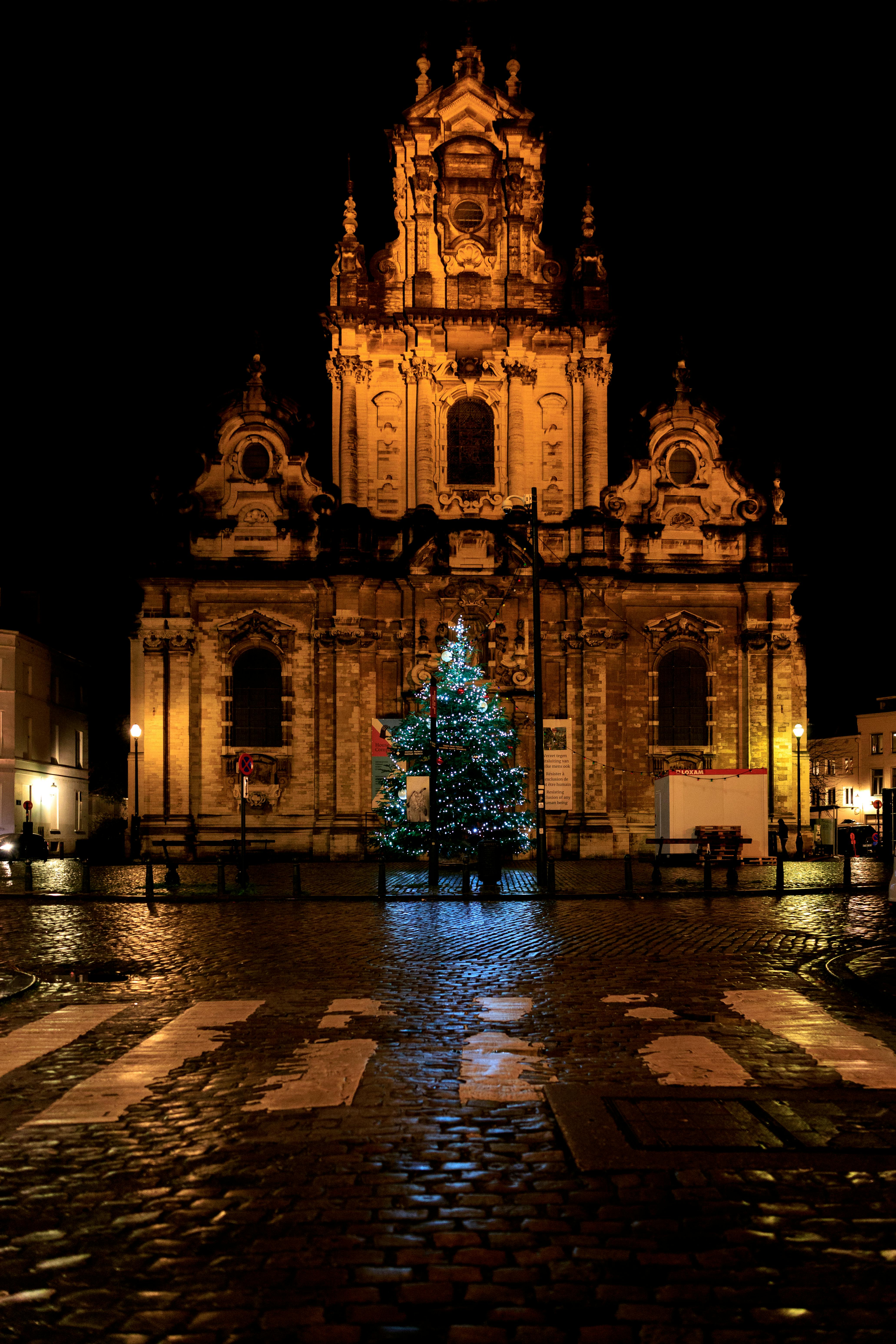 What should I know about accommodations in Brussels?
Brussels offers a wide range of accommodations, from luxury hotels to budget hostels. The city center is ideal for travelers seeking proximity to major attractions and vibrant nightlife. For a more authentic experience, consider staying in neighborhoods like Ixelles or Saint-Gilles, which are known for their lively atmospheres and local charm. Booking in advance is recommended, especially during peak seasons and major events like the Brussels Flower Carpet or Christmas markets. Many hotels and apartments provide amenities such as free Wi-Fi, breakfast options, and easy access to public transportation, ensuring a comfortable stay.
7. How can I experience Brussels beyond the tourist spots?
To truly immerse yourself in Brussels’ local culture, explore lesser-known neighborhoods, visit local markets, and participate in community events. Discover the vibrant street art scene in Schaerbeek or enjoy a leisurely walk through Parc du Cinquantenaire. Attend a concert or theater performance at local venues, or take a day trip to nearby towns like Leuven or Bruges for additional cultural insights. Engaging with local residents and trying regional specialties will enrich your experience, making your visit memorable and authentic.
From holiday essentials to last-minute travel insurance, get cashback on all your bookings. It’s free, easy, and saves you money!
Conclusion: Embark on Your Brussels Adventure Today
Brussels stands out as a captivating destination that seamlessly blends rich history, vibrant culture, and modern charm. From exploring iconic landmarks like the Grand Place and Atomium to indulging in world-famous chocolates and Belgian waffles, the city offers a diverse array of experiences for every traveler. Its blend of historic architecture and contemporary art scenes creates a unique atmosphere that invites visitors to discover something new at every turn.
Additionally, Brussels serves as an excellent hub for exploring neighboring regions, making it perfect for day trips or extended adventures. Whether you’re passionate about history, cuisine, or simply soaking in the lively street scenes, Brussels promises an unforgettable journey. To truly appreciate its multifaceted personality, plan your visit with a focus on local neighborhoods, hidden gems, and cultural festivals that define the city’s soul.
Now is the perfect time to start planning your trip. Dive deeper into the city’s vibrant neighborhoods, savor its culinary delights, and immerse yourself in its lively festivals. Brussels awaits with open arms—ready to offer you a memorable experience that will leave you eager to return.
Are you entitled to compensation for a delayed flight?
You May Also Like
Discover the Charms of Amsterdam: Your Complete Travel GuideAmsterdam, often…
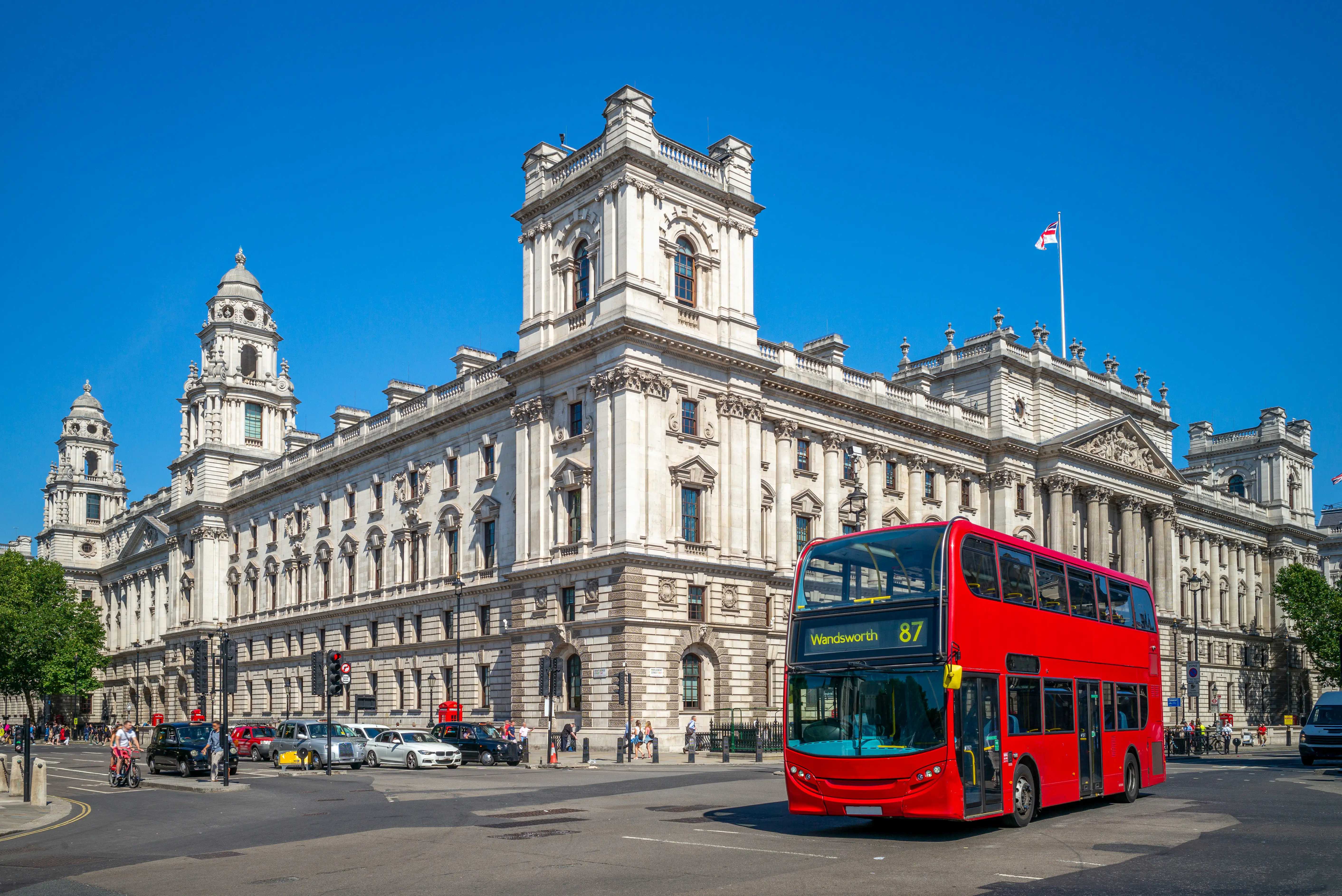
Exploring Destination guides london: A Complete Guide