Complete Guide to Berlin
Complete Guide to Berlin: Discover the Heart of Germany’s Capital

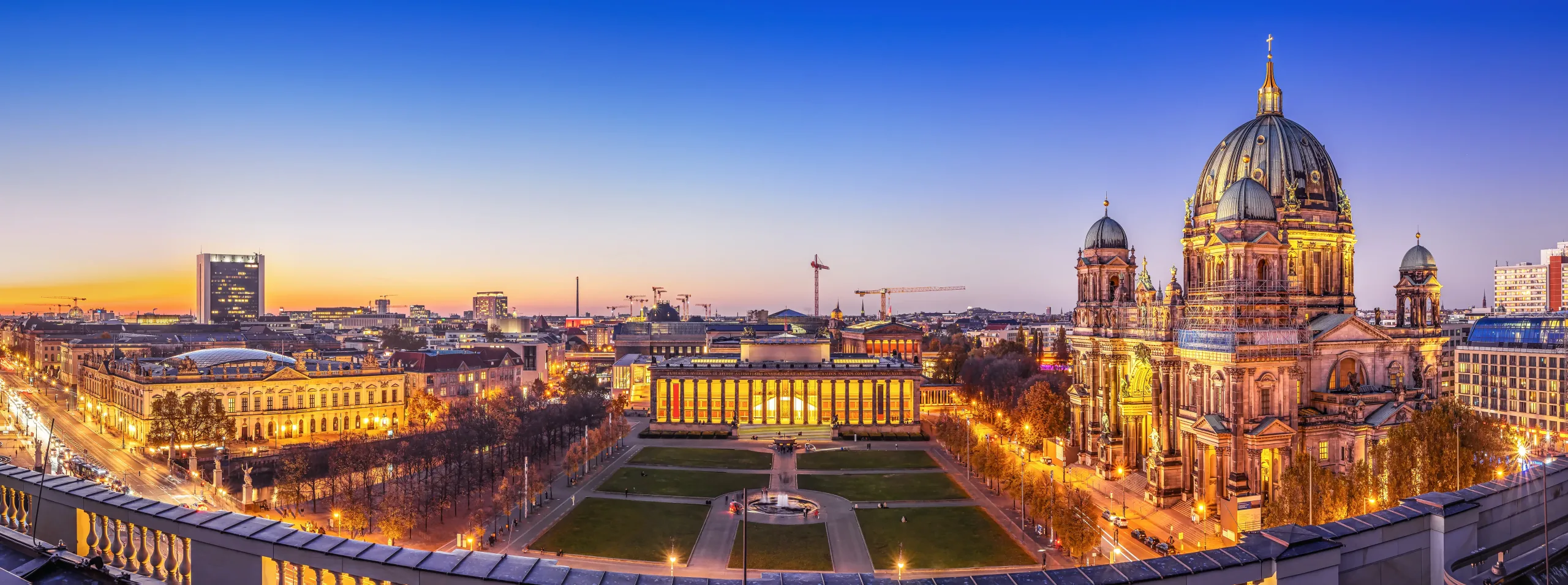
Berlin stands as a vibrant metropolis where history, culture, and innovation seamlessly intertwine. As Germany’s capital, it offers travelers a unique blend of past and present, making it an essential destination for those eager to explore a city rich in stories and modern energy. From its iconic historical sites to its thriving arts scene, Berlin captivates visitors with its dynamic atmosphere and diverse neighborhoods. The city’s openness and resilience shine through in its architecture, street art, and cultural institutions, offering a compelling narrative of transformation and creativity. Whether you’re drawn to its museums, lively nightlife, or tranquil parks, Berlin promises an experience that’s both enriching and unforgettable. This guide aims to provide a comprehensive overview, helping you navigate the city’s many facets and uncover its hidden gems. Expect insights into local customs, practical tips, and curated suggestions that will elevate your journey through this extraordinary destination.
Watch anytime, anywhere – Prime Video offers a free trial for new users!
The Brandenburg Gate: An Icon of History and Unity
Location and Significance
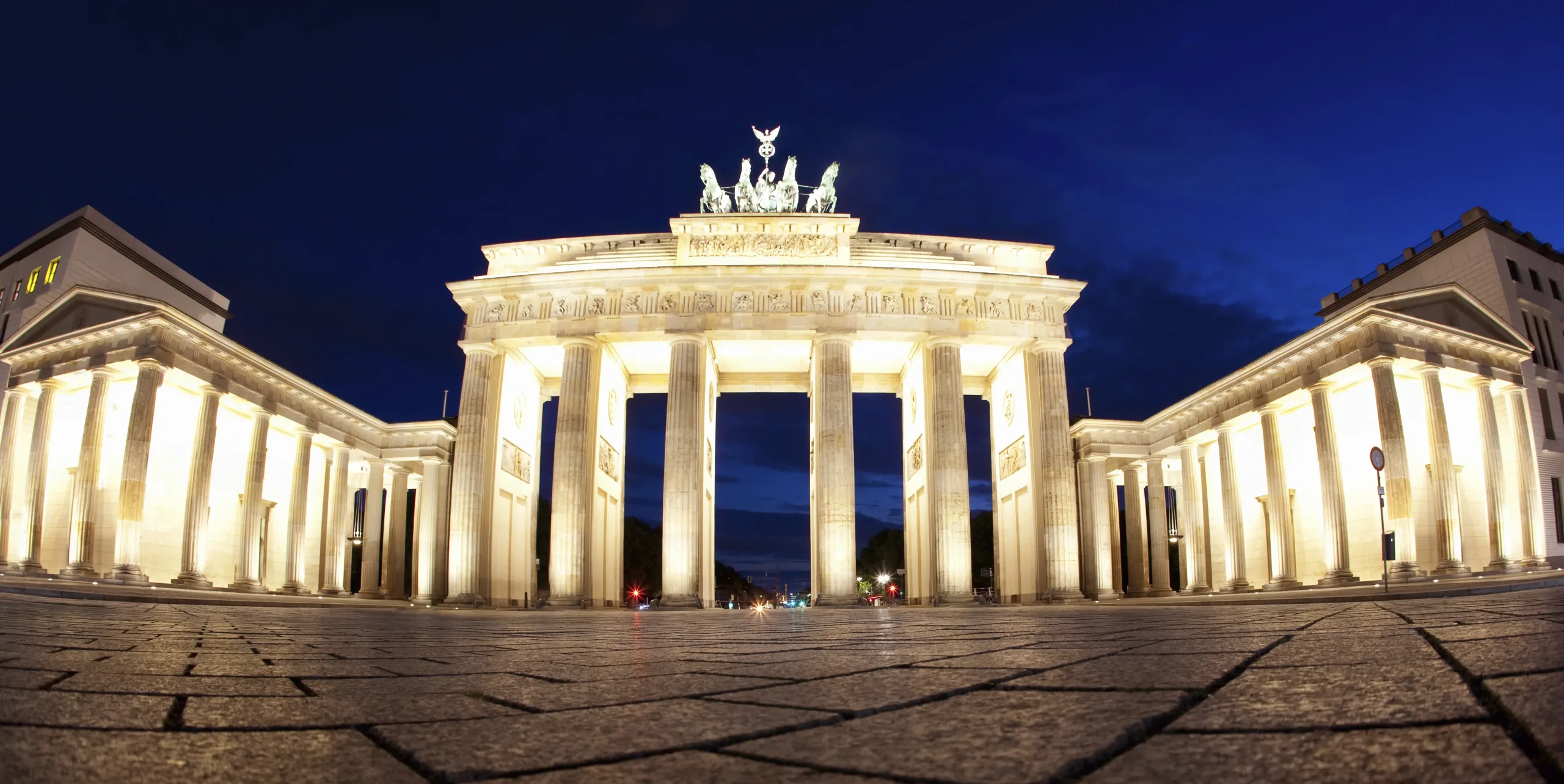
The Brandenburg Gate, situated at Pariser Platz in the heart of Berlin, stands as a powerful symbol of Germany’s tumultuous history and its reunification. Originally commissioned by King Frederick William II of Prussia and completed in 1791, this neoclassical monument has witnessed pivotal moments—from Napoleon’s occupation to the Cold War division. Today, it embodies unity, peace, and resilience, making it one of the most recognizable landmarks in the world.
Main Features and Architectural Marvels
The gate measures approximately 26 meters high, 65 meters wide, and 11 meters deep. It features twelve Doric columns, forming five passageways, with the central one historically reserved for royalty and now open to pedestrians. Atop the gate sits the Quadriga, a chariot drawn by four horses driven by Victoria, the Roman goddess of victory. The statue, crafted by Johann Gott Schadow, was restored after World War II and remains a striking symbol of triumph and hope.
Why It’s Worth Visiting
Visiting the Brandenburg Gate offers more than just viewing a historic monument; it provides an immersive experience into Berlin’s past and present. The area around the gate is lively, with nearby embassies, the Reichstag building, and the Holocaust Memorial creating a compelling cultural landscape. Visiting at sunset or during the evening illuminations enhances its majestic presence. For travelers, the site is easily accessible via public transportation, with U-Bahn and S-Bahn stations nearby, making it a convenient starting point for exploring Berlin’s historic core.
The Berlin Wall Memorial: A Testament to Freedom
Location and Historical Context
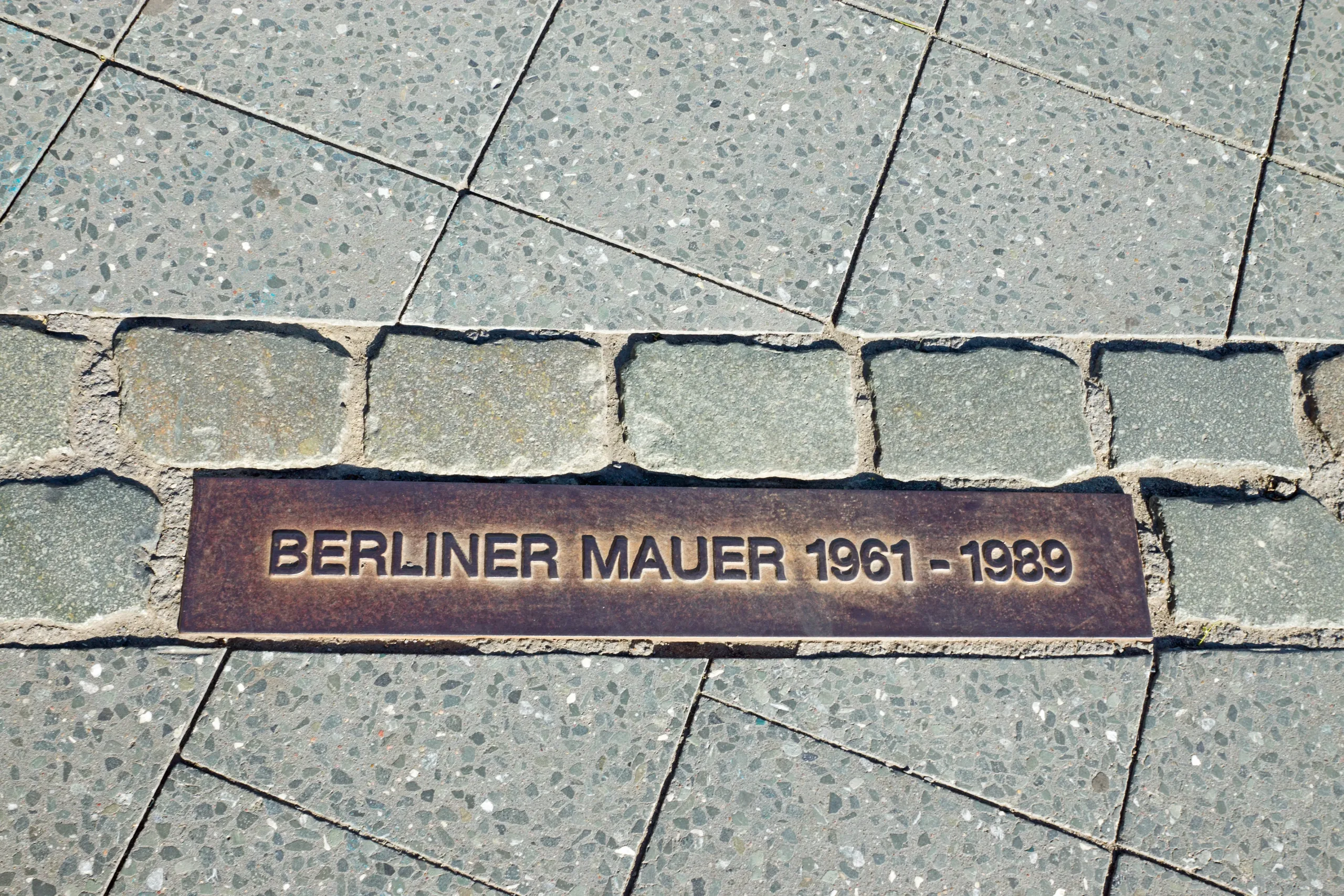
Located on Bernauer Straße in the former East Berlin, the Berlin Wall Memorial is a poignant reminder of the city’s division during the Cold War. Established in 1998, it preserves a section of the wall along with an exhibition that narrates the stories of those who attempted to escape and the impact of the wall’s presence on Berliners’ lives. The memorial offers an authentic glimpse into the stark reality of division and the enduring struggle for freedom.
Main Features and Highlights
The memorial spans approximately 1.4 kilometers, featuring a preserved section of the original wall, a watchtower, and a visitor center with multimedia exhibits. The “Death Strip” area, now a landscaped zone, helps visitors understand the harsh measures taken to prevent escapes. The documentation center provides detailed stories, photographs, and artifacts from those affected. One of the most powerful features is the “Window of Remembrance,” where visitors can leave notes honoring those who suffered or lost their lives.
Practical Information and Visitor Experience
Open daily from early morning until late evening, the Berlin Wall Memorial is free to access. Guided tours are available for deeper insights, often led by historians or former East Berliners. The site is wheelchair accessible, and educational programs are tailored for school groups and families. Visiting during the spring and summer months offers a more vibrant experience, with the outdoor sections in full bloom. Nearby public transport options include S-Bahn and bus stops, making it easy to incorporate into your Berlin itinerary.
The Museum Island: A Cultural Treasure Trove
Location and Overview
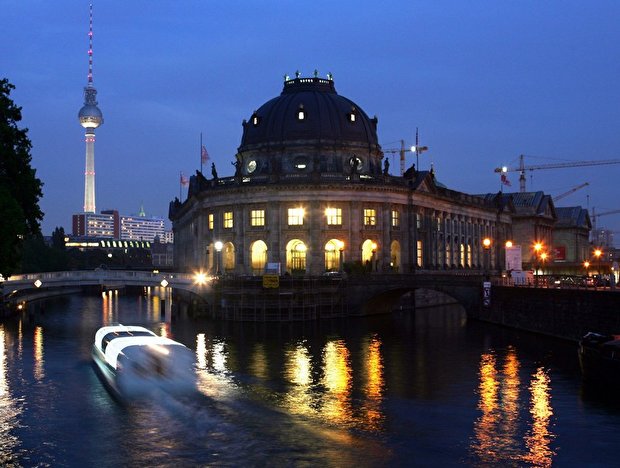
Situated in the heart of Berlin along the Spree River, Museum Island (Museumsinsel) is a UNESCO World Heritage Site renowned for its collection of world-class museums. This island, nestled between the historic Mitte district and the river, serves as a cultural hub that showcases art, archaeology, and history from ancient to modern times. It’s a must-visit for anyone eager to explore Berlin’s rich artistic heritage.
Main Museums and Collections
- The Pergamon Museum: Famous for its monumental reconstructions like the Gate of Ishtar from Babylon and the Market Gate of Miletus, this museum offers a glimpse into ancient civilizations.
- The Altes Museum: Focuses on classical antiquities, including Greek and Roman sculptures, jewelry, and artifacts.
- The Neues Museum: Home to Egyptian and prehistoric collections, including the iconic bust of Nefertiti.
- The Bode Museum: Specializes in Byzantine art and sculptures, with an impressive coin collection.
Each museum provides a unique perspective on history, art, and culture, making Museum Island a comprehensive experience for visitors of all interests.
Visitor Tips and Practical Information
Tickets can be purchased online or at the entrance, with combined passes available for multiple museums. Opening hours vary, typically from 10 am to 6 pm, with extended hours on certain days. The island is easily accessible via Friedrichstraße station, served by multiple S-Bahn and U-Bahn lines. To avoid crowds, consider visiting early in the morning or during weekdays. Guided tours and audio guides enrich the experience, providing context and detailed explanations of the exhibits.
Conclusion
Berlin’s top attractions reflect its complex history, cultural richness, and resilience. The Brandenburg Gate stands as a symbol of unity and hope, the Berlin Wall Memorial narrates stories of division and liberation, and Museum Island offers a treasure chest of human achievement. Exploring these sites provides visitors with a profound understanding of Berlin’s past and its vibrant present. Whether interested in history, architecture, or art, each destination promises a memorable experience that captures the essence of Berlin’s unique character.
Best Time to Visit Berlin
Understanding the Climate and Weather
Berlin experiences a temperate seasonal climate, with distinct variations throughout the year. Summers, from June to August, are generally warm, with average temperatures ranging between 20°C and 25°C (68°F to 77°F). Spring (March to May) and autumn (September to November) offer mild weather, making these shoulder seasons ideal for exploring the city comfortably. Winters, from December to February, can be cold, often dropping below freezing, with shorter daylight hours and occasional snowfall. If you prefer milder weather, visiting during late spring or early autumn is advisable.
Peak Tourist Seasons and Crowds
The busiest period in Berlin coincides with the summer months and major holidays, such as Christmas and New Year. During these times, attractions, restaurants, and accommodations can be crowded, and prices tend to rise. Summer festivals, outdoor concerts, and open-air markets also draw large crowds, creating a lively atmosphere but potentially long waits and higher costs. If you enjoy a bustling city vibe and don’t mind crowds, visiting in summer is perfect. Conversely, winter, especially around Christmas, offers a festive experience with fewer tourists and charming markets.
Advantages of Visiting During Off-Peak
Traveling during the shoulder seasons or winter offers several benefits. Accommodation prices are generally lower, and popular attractions are less crowded, allowing for a more relaxed experience. Additionally, visiting in winter provides the opportunity to enjoy Berlin’s renowned Christmas markets, ice skating, and cozy cafes. Spring and autumn also feature pleasant weather with fewer tourists, making sightseeing more enjoyable and spontaneous.
Summary of Pros and Cons
| Time of Year | Pros | Cons |
|---|---|---|
| Summer (June – August) |
|
|
| Winter (December – February) |
|
|
| Spring and Autumn (March – May & September – November) |
|
|
In conclusion, the best time to visit Berlin depends on your preferences. For lively festivals and warm weather, summer is ideal. However, if you prefer a quieter experience with lower costs, spring or autumn are excellent choices. Winter offers a festive atmosphere, perfect for holiday travelers. Consider your priorities, weather tolerance, and budget to choose the perfect time for your Berlin adventure.
Getting to Berlin: Your Comprehensive Travel Guide
Flights to Berlin
For international travelers, flying is often the most convenient option. Berlin’s main airport, Berlin Brandenburg Airport (BER), is well-connected to major cities worldwide. Several airlines operate direct flights to BER, including Lufthansa, easyJet, and Ryanair. Upon arrival, travelers can access the city center via the Airport Express train, which takes approximately 30 minutes. Taxis and ride-sharing services are also available for quick, door-to-door transportation.
Traveling by Train
Europe’s extensive rail network makes train travel an attractive choice. Berlin is served by numerous high-speed trains, such as the ICE (InterCity Express) and EC (EuroCity), connecting it with cities like Hamburg, Prague, and Warsaw. The Hauptbahnhof (main station) is centrally located and offers seamless connections to local transit. Booking tickets in advance can secure better prices, and traveling by train provides scenic views along the way, enriching your journey.
Bus and Coach Services
For budget travelers, long-distance bus companies like FlixBus and Eurolines operate regular routes to Berlin from many European cities. Buses are economical and often run frequently, with stations conveniently located near city centers. While travel time might be longer than trains or flights, buses offer a cost-effective alternative, especially for shorter trips or last-minute plans.
Car Rentals and Driving Tips
If you prefer flexibility, renting a car is a viable option. Major rental agencies such as Avis, Hertz, and Europcar operate in Berlin. Keep in mind that driving in the city requires awareness of local traffic regulations, and parking can be challenging in central areas. Additionally, Germany’s highway system (Autobahn) allows for high-speed driving, but always adhere to posted speed limits and local laws.
Useful Travel Tips and Important Information
- Advance booking often secures better prices on flights and trains.
- Consider travel insurance for international trips.
- Public transportation in Berlin is efficient; purchasing a Berlin WelcomeCard provides unlimited travel and discounts.
- Check current travel advisories or restrictions, especially during seasonal or pandemic-related changes.
Best Places to Stay in Berlin: A Guide for Every Budget
Berlin, a city renowned for its vibrant culture, rich history, and dynamic arts scene, offers a wide array of accommodations to suit every traveler’s needs. Whether you’re seeking luxury, mid-range comfort, or budget-friendly options, this guide highlights the best places to stay in Berlin, ensuring a memorable visit tailored to your preferences and budget.
Luxury Options: Indulge in Berlin’s Finest
For travelers who desire a lavish experience, Berlin boasts several world-class hotels that combine opulence with exceptional service. The Hotel Adlon Kempinski stands out as an iconic choice, located right next to the Brandenburg Gate. Its historic grandeur, luxurious rooms, and top-tier amenities make it perfect for those seeking a regal experience. Guests can enjoy spa facilities, fine dining, and impeccable hospitality, making it a symbol of Berlin’s luxury.
Another excellent option is the Waldorf Astoria Berlin, situated in the City West district. This hotel offers sleek, modern interiors, stunning city views, and a renowned spa. Its central location makes it ideal for exploring Berlin’s major attractions while indulging in comfort and elegance.
Mid-Range Accommodations: Comfort and Convenience
If you prefer a balance between quality and affordability, Berlin’s mid-range hotels provide excellent value. The nhow Berlin hotel, located on the River Spree, offers contemporary design, vibrant decor, and spacious rooms. It’s particularly popular among creative travelers, thanks to its music-themed interiors and proximity to cultural hotspots.
Another commendable choice is the Select Hotel Berlin The Wall, which provides comfortable rooms with modern amenities, along with a convenient location near the East Side Gallery. Its friendly atmosphere and affordable rates make it a favorite among families and solo travelers alike.
Budget-Friendly Options: Explore Without Breaking the Bank
Travelers on a tighter budget will find Berlin’s hostel and budget hotel scene welcoming and well-equipped. The Generator Berlin Mitte hostel is centrally located, offering dormitory beds and private rooms at affordable prices. It features a lively social atmosphere, making it easy to connect with other travelers and explore the city’s vibrant neighborhoods.
For a more traditional hotel experience, the Hotel Berlin, Berlin provides comfortable rooms at reasonable rates. Its strategic location near public transportation hubs ensures easy access to all parts of the city, making it an ideal base for budget-conscious explorers.
| Budget Level | Recommended Accommodation | Highlights |
|---|---|---|
| Luxury | Hotel Adlon Kempinski | Historic elegance, prime location, luxury amenities |
| Mid-Range | nhow Berlin | Contemporary design, vibrant interiors, riverside location |
| Budget | Generator Berlin Mitte | Affordable, social atmosphere, central location |
Ultimately, Berlin’s diverse accommodation options ensure every traveler can find a place that matches their style and budget. From regal hotels to cozy hostels, the city welcomes all with open arms and unforgettable experiences.
Essential Travel Products for Visiting Berlin
1. Berlin City Pass – The Ultimate Access Card
The Berlin City Pass is an invaluable travel companion, offering visitors seamless access to many of the city’s top attractions. This all-in-one card typically includes free entry to museums, historical sites, and public transportation, making it both economical and convenient. The pass often features skip-the-line privileges, which save precious time during peak tourist seasons, allowing travelers to maximize their sightseeing. For example, with the Berlin City Pass, visitors can explore iconic landmarks such as the Brandenburg Gate, the Berlin Wall Memorial, and Museum Island without worrying about individual ticket purchases.
One of the most notable features of this pass is its integration with public transit. It usually includes unlimited travel on buses, trams, and trains within Berlin, which means visitors can hop from one site to another effortlessly. This is especially useful for those unfamiliar with the city’s transit system, as it simplifies navigation and reduces transportation costs. Available through official tourism websites or travel retailers like GetYourGuide or Tiqets, the Berlin City Pass is perfect for travelers seeking flexibility and savings during their stay.
2. Compact Travel Backpack – Practical and Stylish
For those exploring Berlin’s vibrant streets, a durable, lightweight backpack is essential. The compact travel backpack offers ample storage for daily essentials such as water bottles, maps, cameras, and personal items. Look for features like water resistance, multiple compartments, and padded straps for comfort. Brands like Osprey, eBags, or North Face produce models that balance functionality with style, making them suitable for urban adventures and museum visits alike.
This type of backpack is especially useful for navigating Berlin’s diverse neighborhoods, from the historic Mitte district to the trendy Kreuzberg. Its compact size ensures it doesn’t become cumbersome during long walks or bike rides, which are popular ways to explore the city. Additionally, a secure zipper and anti-theft features can provide peace of mind in crowded areas. You can purchase these backpacks from outdoor gear stores, Amazon, or specialty travel outlets, ensuring you’re well-prepared for your Berlin adventure.
Recommended Guidebooks for Exploring Berlin
Complete Guide Berlin – Kindle Unlimited and Audible Selections
For travelers seeking comprehensive insights into Berlin, several guidebooks available on Kindle Unlimited and Audible stand out. These books not only provide detailed itineraries but also enrich your understanding of Berlin’s history, culture, and hidden gems. Here are three top choices:
1. Berlin Travel Guide 2023 by Lonely Planet
This extensive guidebook offers a thorough overview of Berlin’s must-see attractions, neighborhoods, and local experiences. It features practical tips on transportation, dining, and accommodations, making it ideal for first-time visitors. The book also highlights off-the-beaten-path sites that reveal Berlin’s lesser-known stories, perfect for travelers who want a deeper connection with the city. Available on Kindle Unlimited, it allows easy access to maps and updates, and the Audible version makes it convenient for on-the-go listening during commutes or walks.
2. Discover Berlin: The Essential Travel Companion by Rick Steves
Rick Steves’ guide provides a friendly, insightful approach to exploring Berlin. It emphasizes cultural context, local history, and practical advice for navigating the city’s public transit and neighborhoods. The book’s engaging narrative helps travelers appreciate Berlin’s complex past and vibrant present. Its availability on Kindle Unlimited and Audible makes it a flexible resource for planning your days or relaxing with stories about Berlin’s iconic sites, like Checkpoint Charlie and the Berlin Wall.
3. Berlin Insider’s Guide by Insight Guides
This guide is tailored for travelers who want to uncover Berlin’s hidden treasures and local favorites. It includes curated walking tours, restaurant recommendations, and tips for experiencing Berlin like a local. The Audible version offers narrated tours that can be listened to while exploring the city, adding an immersive layer to your visit. The Kindle Unlimited edition features detailed maps and vibrant photos, helping you visualize your journey through Berlin’s diverse districts.
In summary, pairing these well-rounded guidebooks with your travel products ensures a smooth, enriching experience in Berlin. Whether you prefer reading detailed itineraries or listening to engaging stories, these resources will deepen your understanding of this dynamic city and help you make the most of your visit.
Your perfect travel companion: unlimited guidebooks, maps & phrasebooks – free for a month.
Frequently Asked Questions about Complete Guide Berlin
1. What is the best time of year to visit Berlin?
Berlin is a year-round destination, but the best time to visit depends on your preferences. Spring (April to June) offers mild weather and blooming parks, making it perfect for outdoor explorations. Summer (July and August) is lively with festivals, open-air events, and longer daylight hours, ideal for sightseeing and social activities. Autumn (September and October) provides cooler temperatures and fewer crowds, with beautiful fall foliage enhancing city walks. Winter (December to February) transforms Berlin into a festive wonderland, especially during Christmas markets, though it can be quite cold. When planning your trip, consider local events like Berlin Fashion Week or the Berlin International Film Festival, which draw crowds and influence accommodation availability.
2. How can I get around Berlin efficiently?
Berlin boasts an extensive and efficient transportation network, making it easy to navigate the city. The U-Bahn (subway), S-Bahn (urban train), trams, and buses cover almost every neighborhood. Purchasing a Berlin WelcomeCard or daily travel pass offers unlimited rides and discounts on attractions. Biking is also popular, with dedicated bike lanes and rental services like Lime or Nextbike. For short distances, walking is often enjoyable, especially through historic districts. Taxis and ride-sharing services like Uber are available but tend to be more expensive. To maximize your time, plan routes using the BVG app, which provides real-time schedules and route options.
3. What are must-visit attractions in Berlin?
Berlin is rich in history, culture, and modern attractions. Key sites include:
- The Berlin Wall Memorial and East Side Gallery for a glimpse into Cold War history.
- The Brandenburg Gate, symbolizing unity and peace.
- The Reichstag Building with its stunning glass dome, offering panoramic city views.
- The Museum Island complex, home to world-renowned museums like the Pergamon and Altes Museum.
- The Holocaust Memorial, a poignant tribute to victims of genocide.
- The Berlin Cathedral and Gendarmenmarkt square for architecture and cultural ambiance.
Exploring these highlights provides a well-rounded experience of Berlin’s diverse history and vibrant culture.
4. Is Berlin a safe city for travelers?
Yes, Berlin is generally considered safe for tourists. Like any major city, it’s important to stay vigilant, especially in crowded areas or at night. Pickpocketing can occur in busy tourist spots and public transportation, so keep your belongings secure. Avoid poorly lit areas late at night and be cautious when using ATMs. The city’s police presence is visible, and emergency services are accessible. Overall, Berlin’s friendly atmosphere and efficient public services make it a safe destination for solo travelers, families, and groups alike.
5. What local cuisine should I try during my visit?
Berlin’s culinary scene reflects its multicultural makeup. Be sure to try:
- Currywurst: a popular street food of sausage topped with curry ketchup.
- Berliner Pfannkuchen: jelly-filled donuts enjoyed especially during Carnival season.
- Sauerbraten: marinated pot roast served with potatoes or red cabbage.
- International cuisines: Berlin offers excellent Turkish, Vietnamese, Middle Eastern, and Italian restaurants, reflecting its diverse population.
- Visit local markets like Markthalle Neun for fresh produce, artisanal foods, and authentic bites.
Pair your meals with local beers or a glass of Berlin’s famous craft cider for a true taste of the city’s vibrant food culture.
6. Are there any hidden gems or lesser-known spots worth exploring?
Beyond the popular landmarks, Berlin offers numerous hidden treasures. Consider visiting:
- Teufelsberg: an abandoned Cold War listening station built on a hill made from WWII rubble, offering panoramic views and street art.
- Spreepark: an abandoned amusement park with eerie, nostalgic charm.
- Klunkerkranich: a rooftop bar atop a parking garage in Neukölln, perfect for sunset views and relaxed vibes.
- Prinzenpark: a peaceful green space ideal for picnics and local sports.
- Explore Berlin’s vibrant street art scene in neighborhoods like Friedrichshain and Kreuzberg for a colorful, authentic experience.
These spots provide unique insights into Berlin’s creative spirit and history beyond the usual tourist trail.
Conclusion
Berlin is a dynamic city that seamlessly blends history, culture, and modernity. Whether you’re interested in exploring iconic landmarks, discovering hidden corners, or enjoying its diverse culinary scene, Berlin offers something for every traveler. Planning ahead—considering the best visiting times, transportation options, and local experiences—will ensure your trip is memorable and enriching. Dive into the city’s vibrant neighborhoods and embrace its welcoming atmosphere for an unforgettable adventure.

Cut the cost of your next trip – earn cashback on flights & hotels!
Discover Berlin: Your Ultimate Travel Destination
As we conclude our comprehensive guide to Berlin, it’s clear that this vibrant city offers an unparalleled blend of history, culture, and modernity. From iconic landmarks like the Brandenburg Gate and Berlin Wall to the dynamic art scenes and diverse culinary experiences, Berlin truly has something for every traveler. Whether you’re wandering through historic neighborhoods, exploring world-class museums, or enjoying lively nightlife, each moment promises a new discovery.
Key Highlights Recap
- Rich historical sites that tell stories of resilience and change
- Vibrant neighborhoods bursting with street art, cafes, and boutique shops
- Innovative culinary scene reflecting global influences
- Exciting events and festivals that showcase Berlin’s lively spirit
To make the most of your trip, plan your itinerary around these highlights, and don’t hesitate to explore lesser-known gems. Berlin’s unique blend of past and present invites visitors to experience a city that is constantly evolving yet deeply rooted in its history.
Now is the perfect time to start planning your adventure. Dive deeper into local customs, hidden spots, and authentic experiences to truly immerse yourself in Berlin’s culture. Whether you’re a history enthusiast, art lover, or culinary explorer, this city promises unforgettable memories.
Embark on your journey today and uncover the many layers of Berlin. Let this guide be your starting point for a trip filled with discovery, excitement, and inspiration. The city awaits—are you ready to explore?
Are you entitled to compensation for a delayed flight?
You May Also Like
Discover the Charms of Amsterdam: Your Complete Travel GuideAmsterdam, often…