Paris Travel Tips and Best Visiting Times
Discover the Charm and Elegance of Paris: Your Ultimate Destination Guide
Explore Paris: The City of Light and Endless Possibilities
Paris, often celebrated as the cultural and artistic heart of the world, beckons travelers with its timeless allure and vibrant energy. Known for its iconic architecture, world-renowned cuisine, and rich history, this city seamlessly blends old-world charm with modern sophistication. Whether you’re wandering through historic neighborhoods, indulging in gourmet delights, or simply soaking in the romantic atmosphere, Paris offers an experience unlike any other. Its unique blend of tradition and innovation makes it a top destination for travelers seeking inspiration, adventure, and cultural enrichment. From the bustling streets to tranquil parks, Paris is a city that invites exploration at every turn.
In this comprehensive guide, you will find practical information to enhance your visit. We will cover essential tips on navigating the city, best times to visit, local customs, and insider advice to make your trip smooth and memorable. Additionally, discover how to make the most of your time, whether you’re a first-time visitor or returning to explore new corners of this enchanting metropolis. Prepare to uncover the secrets of Paris that make it a truly extraordinary destination for every traveler.
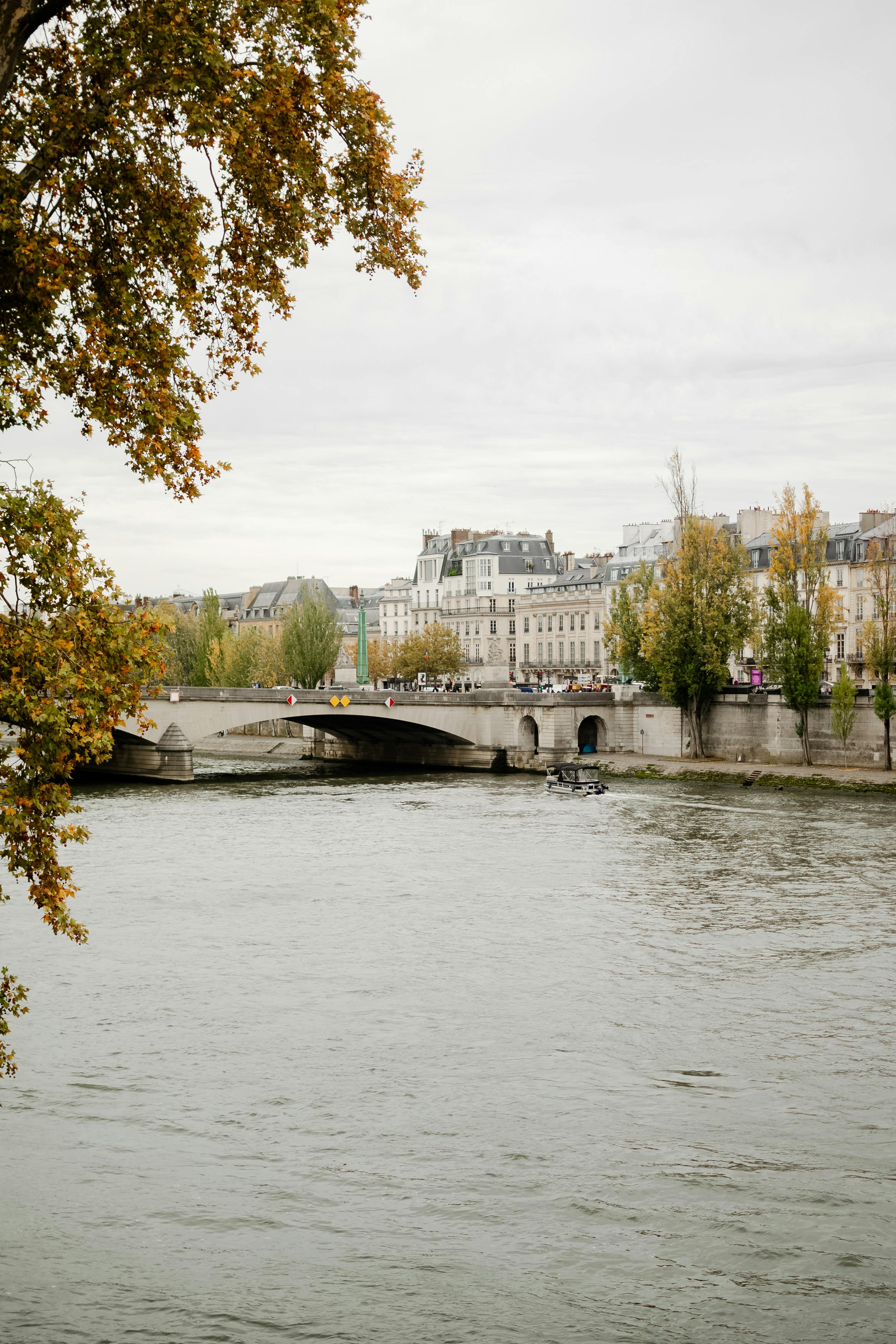
When Is the Best Time to Visit Paris?
Understanding the Climate and Seasons
Paris experiences a temperate oceanic climate, with mild winters and warm summers. Spring (March to May) and fall (September to November) are particularly pleasant, offering comfortable temperatures and fewer crowds. Summers (June to August) can be warm, with temperatures often rising above 25°C (77°F), while winters (December to February) are cooler, averaging around 5°C to 10°C (41°F to 50°F). Rainfall is fairly evenly distributed throughout the year, so packing an umbrella is advisable regardless of the season.
Peak Tourist Seasons and Crowds
The busiest times in Paris are during late spring and summer, especially from June through August. During these months, iconic attractions like the Eiffel Tower and Louvre are crowded, and prices for accommodations tend to be at their highest. Spring and early fall also see a surge of tourists, drawn by pleasant weather and vibrant city events. If you prefer avoiding large crowds and long lines, consider visiting during the shoulder seasons of late fall and winter, outside major holidays and festivals.
Benefits of Visiting During Off-Peak Periods
Traveling during off-peak seasons offers several advantages. First, you can enjoy lower prices on hotels and flights, making your trip more budget-friendly. Second, attractions are less crowded, allowing for more relaxed visits and better photo opportunities. Additionally, off-peak times often feature unique cultural events, such as winter markets or autumn festivals, providing a more authentic experience.
Practical Tips for Choosing Your Visit Time
- If you love lively atmospheres and outdoor events, late spring and summer are ideal.
- For a quieter experience with better deals, consider visiting in late fall or winter.
- Always check local event calendars; major festivals can influence prices and availability.
- Plan ahead for weather variations, especially if visiting during shoulder seasons.
Summary: Pros and Cons of Visiting at Different Times
| Season | Pros | Cons |
|---|---|---|
| Spring (March-May) | Beautiful blooms, mild weather, fewer tourists than summer | Unpredictable weather, some attractions still busy |
| Summer (June-August) | Warm weather, outdoor festivals, lively atmosphere | High prices, crowds, long lines at popular sites |
| Fall (September-November) | Comfortable temperatures, fewer tourists, fall foliage | Shorter days, some attractions close earlier |
| Winter (December-February) | Festive holiday markets, lower prices, fewer visitors | Cold weather, shorter daylight hours, some attractions may be closed |
Ultimately, the optimal time to visit Paris depends on your preferences for weather, crowd levels, and budget. Whether you seek the bustling energy of summer or the tranquility of winter, Paris offers a memorable experience throughout the year.
Getting to Paris: Practical Travel Information
Paris, the City of Light, is one of the world’s most accessible and well-connected destinations. Whether you’re arriving from within Europe or across the globe, understanding your transportation options will ensure a smooth journey. From flights to local transit, this guide provides essential practical tips to help you reach Paris efficiently and comfortably.
Flights to Paris
The most common way to reach Paris from international locations is by air. The city is served by three major airports:
- Charles de Gaulle Airport (CDG): The largest and busiest, located about 25 kilometers northeast of the city center. It handles numerous international flights daily.
- Orly Airport (ORY): Situated approximately 13 kilometers south of Paris, this airport primarily serves domestic and European flights.
- Beauvais-Tillé Airport (BVA): Located around 85 kilometers north of Paris, it caters mainly to low-cost carriers and charter flights.
When booking your flight, consider the airport closest to your final destination or the most convenient connection. Many airlines offer direct flights to Paris, simplifying your travel plans. Remember to check baggage policies and arrive at the airport at least two hours before domestic flights and three hours before international flights.
Traveling to Paris by Train
For travelers within Europe, trains provide a comfortable and efficient alternative. Paris is a major hub with several high-speed rail connections:
- Eurostar: Connects London to Paris via the Channel Tunnel in approximately 2 hours and 20 minutes.
- TGV: High-speed trains link Paris to major French cities like Lyon, Marseille, and Bordeaux, often reaching destinations within 3 hours.
- Regional Trains: Serve surrounding regions and smaller towns, offering flexible options for day trips or local travel.
Booking train tickets in advance can save money and guarantee your preferred departure times. Stations such as Gare du Nord, Gare de Lyon, and Gare Montparnasse are central hubs for different routes, so plan your connections accordingly.
Bus and Coach Services
Long-distance buses are a budget-friendly way to reach Paris from neighboring countries. Companies like FlixBus and Eurolines operate regular routes, often arriving at stations like Gare Routière Internationale or Porte Maillot. Buses are ideal for travelers seeking economical options, though they may take longer than trains or flights. Be sure to check schedules and book tickets in advance for the best rates.
Driving and Car Rentals
If you prefer flexibility and wish to explore beyond Paris, renting a car is a practical choice. Major international car rental companies, such as Avis, Hertz, and Europcar, have offices near airports and city centers. Keep in mind that driving in central Paris can be challenging due to traffic congestion and limited parking. For practical reasons, consider using a rental car for regional excursions rather than city-center travel.
Travel Tips and Important Information
- Advance Planning: Book flights and trains early, especially during peak seasons, to secure better prices and availability.
- Transport Passes: Consider purchasing transportation passes like the Paris Visite for unlimited travel on public transit within the city.
- Language: While many staff speak English, learning basic French phrases can enhance your travel experience.
- Accessibility: Major airports and stations are equipped for travelers with reduced mobility. Confirm assistance needs when booking.
Understanding these practical options and tips can help ensure a smooth start to your journey in Paris, making your visit more enjoyable and stress-free.
Practical Information for Travel to Kyoto: Your Essential Guide
Traveling to Kyoto offers a unique opportunity to immerse yourself in Japan’s rich cultural heritage. However, navigating the city efficiently requires practical knowledge. This guide provides detailed insights to enhance your journey, ensuring you make the most of your visit with ease and confidence.
Getting There: Transportation Options and Tips
By Air
Kyoto does not have its own airport. The nearest major airport is Kansai International Airport (KIX), located approximately 75 minutes away by train. Osaka Itami Airport (ITM) is also nearby, offering domestic flights. From these airports, travelers typically take a combination of trains or buses to reach Kyoto.
By Train
The train network is the most efficient way to reach Kyoto. The Shinkansen bullet trains connect Kyoto Station directly to major cities like Tokyo, Osaka, and Nagoya. The Tokaido Shinkansen Line offers frequent services, with the Nozomi train reaching Kyoto in about 2 hours from Tokyo.
- Purchase Japan Rail Passes in advance for cost-effective travel.
- Reserve seats during peak seasons to avoid inconvenience.
By Bus
Long-distance buses connect Kyoto with other regions, often offering cheaper alternatives to trains. Companies like Willer Express and JR Bus provide comfortable services with multiple departure times daily.
Local Transportation within Kyoto
Getting around the city is straightforward thanks to an extensive network of buses, subways, and taxis. Consider purchasing a prepaid IC card, such as ICOCA, to simplify fare payments across all modes of transportation.
- Use buses for visiting temples and traditional districts.
- The subway is faster for traveling across the city’s central areas.
- Taxis are convenient but more expensive, suitable for late-night travel or group trips.
Accommodation: Finding the Perfect Stay
Types of Accommodation
Kyoto offers a diverse range of lodging options tailored to different preferences and budgets:
- Traditional ryokans (Japanese inns) for an authentic experience.
- Modern hotels with amenities and comfort.
- Guesthouses and hostels for budget travelers and social atmospheres.
- Machiya houses for a unique, home-like stay in historic districts.
Location Tips
Choose accommodations near major transportation hubs like Kyoto Station or Gion to maximize convenience. Staying near these areas allows easy access to attractions and reduces travel time.
During peak seasons, such as cherry blossom or autumn foliage periods, booking well in advance is recommended to secure your preferred lodging.
Best Times to Visit and What to Expect
Peak Seasons
The ideal times to visit Kyoto are during spring (March to May) and autumn (October to November). These seasons feature mild weather and breathtaking scenery, such as cherry blossoms and vibrant fall foliage.
Off-Peak Travel
Traveling during winter or early summer can lead to fewer crowds and better deals on accommodations. However, be prepared for colder weather and shorter daylight hours.
Practical Tips for a Smooth Trip
Language and Communication
While English signage is increasing, learning basic Japanese phrases helps immensely. Carry a translation app or phrasebook for convenience, especially when visiting less touristy areas.
Currency and Payments
The local currency is the Japanese Yen. Cash remains widely used, especially at small shops and temples. Credit cards are accepted in many hotels, restaurants, and larger stores, but always carry some cash as a backup.
Health and Safety
- Travel insurance is recommended for unforeseen incidents.
- Tap water is safe to drink, but bottled water is available if preferred.
- Familiarize yourself with local emergency numbers and nearest medical facilities.
Additional Resources and Tips
| Resource | Purpose |
|---|---|
| Kyoto City Official Tourism Website | Latest updates on events, transportation, and attractions |
| Japan Travel App | Navigation, language assistance, and local tips |
| Travel Insurance Providers | Coverage details and purchase options |
By understanding these practical aspects of travel to Kyoto, you can plan a seamless and enjoyable visit. Whether exploring historic temples or wandering through traditional neighborhoods, being well-prepared helps ensure your experience is both enriching and stress-free.