Lisbon Travel Guide: Top Attractions and Tips for 2026
Discover Lisbon: A Captivating Gateway to Portugal’s Rich Heritage and Vibrant Culture
Explore the Enchanting City of Lisbon: Your Ultimate Destination Guide for 2026
Lisbon, Portugal’s charismatic capital, stands out as a must-visit destination for travelers seeking a blend of history, innovation, and lively street life. Known for its picturesque hills, colorful neighborhoods, and stunning vistas, Lisbon offers an authentic experience that captures the soul of Southern Europe. As one of Europe’s oldest cities, it seamlessly combines centuries-old traditions with modern trends, making it a compelling choice for 2026’s must-visit destinations. From its iconic tram routes to its vibrant culinary scene, Lisbon invites visitors to immerse themselves in a city that is both timeless and forward-thinking. Whether you’re wandering through historic districts, enjoying panoramic views from viewpoints, or exploring its thriving arts scene, Lisbon promises an unforgettable journey. This article will guide you through the key aspects that make Lisbon a standout destination, highlighting what travelers should prioritize when planning their trip to this captivating city. Get ready to discover why Lisbon is poised to be one of the top travel hotspots of 2026.
Belem Tower
The Belem Tower, or Torre de Belém, stands as one of Lisbon’s most iconic landmarks, symbolizing Portugal’s Age of Discoveries and maritime heritage. Located on the banks of the Tagus River, this UNESCO World Heritage Site was constructed in the early 16th century, serving as a defensive fortress and a ceremonial gateway to Lisbon. Its strategic position allowed it to guard the entrance to the city’s port, making it a vital part of Portugal’s maritime history. Today, the tower is a must-visit destination for travelers seeking both history and stunning architecture.

The tower’s design is a captivating blend of Manueline and Gothic styles, characterized by intricate stone carvings, ornate battlements, and decorative turrets. Its asymmetric structure features a bastion projecting into the river, with a central tower rising above. Visitors can explore the terraces, balconies, and small chapels, all offering panoramic views of the river and the surrounding area. The detailed stonework, including maritime motifs, showcases Portugal’s seafaring prowess and artistic craftsmanship of the period.
Walking around the tower provides a sense of stepping back in time, with the opportunity to learn about Portugal’s Age of Exploration. It’s particularly captivating at sunset when the golden light accentuates its architectural details. Practical information for visitors includes opening hours from morning to late afternoon, with an entrance fee that is modest but well worth it for the experience. Guided tours are available, offering insights into the tower’s history and architecture. Due to its popularity, early arrival is recommended, especially during peak seasons. Visiting the Belem Tower is an essential step for those eager to understand Portugal’s maritime legacy and to capture memorable photos of this historic fortress.
Jeronimos Monastery
The Jeronimos Monastery, or Mosteiro dos Jeronimos, is a masterpiece of Manueline architecture and one of Lisbon’s most significant cultural landmarks. Situated in the Belém district, it was commissioned in the late 15th century to honor Vasco da Gama’s successful voyage to India. This awe-inspiring monastery served as a religious center, a burial site for Portuguese explorers, and a symbol of Portugal’s maritime dominance. Its historical importance and stunning design make it a must-see for travelers seeking to immerse themselves in Portugal’s golden age of exploration.

The monastery’s façade is a marvel of intricate stonework, featuring elaborate Manueline motifs such as ropes, crosses, and natural elements that reflect Portugal’s seafaring history. Inside, visitors are greeted by a vast cloister with soaring columns, detailed carvings, and tranquil gardens that evoke a sense of serenity and grandeur. The church within the monastery is equally impressive, housing the tomb of Vasco da Gama and other notable explorers. Its high vaults and ornate altars exemplify the craftsmanship of the period.
Exploring the monastery offers a glimpse into Portugal’s rich maritime past and architectural ingenuity. It’s recommended to allocate at least a couple of hours to fully appreciate its beauty and history. Practical tips include purchasing tickets in advance to avoid long lines, especially during peak season. Guided tours are available, providing detailed narratives about the monastery’s construction, significance, and the explorers buried there. The Jeronimos Monastery is not only a historical site but also a testament to Portugal’s pioneering spirit, making it an essential stop on any Lisbon itinerary for those interested in history, architecture, and exploration.
Sao Jorge Castle
Perched atop one of Lisbon’s highest hills, Sao Jorge Castle offers visitors a captivating journey into the city’s medieval past. This ancient fortress dates back to the 11th century and served as the royal residence and military stronghold for centuries. Its commanding position provides breathtaking views over Lisbon’s rooftops, the Tagus River, and beyond. Visiting Sao Jorge Castle is a quintessential experience for travelers eager to explore Lisbon’s historic core and enjoy a blend of history, panoramic vistas, and lush gardens.
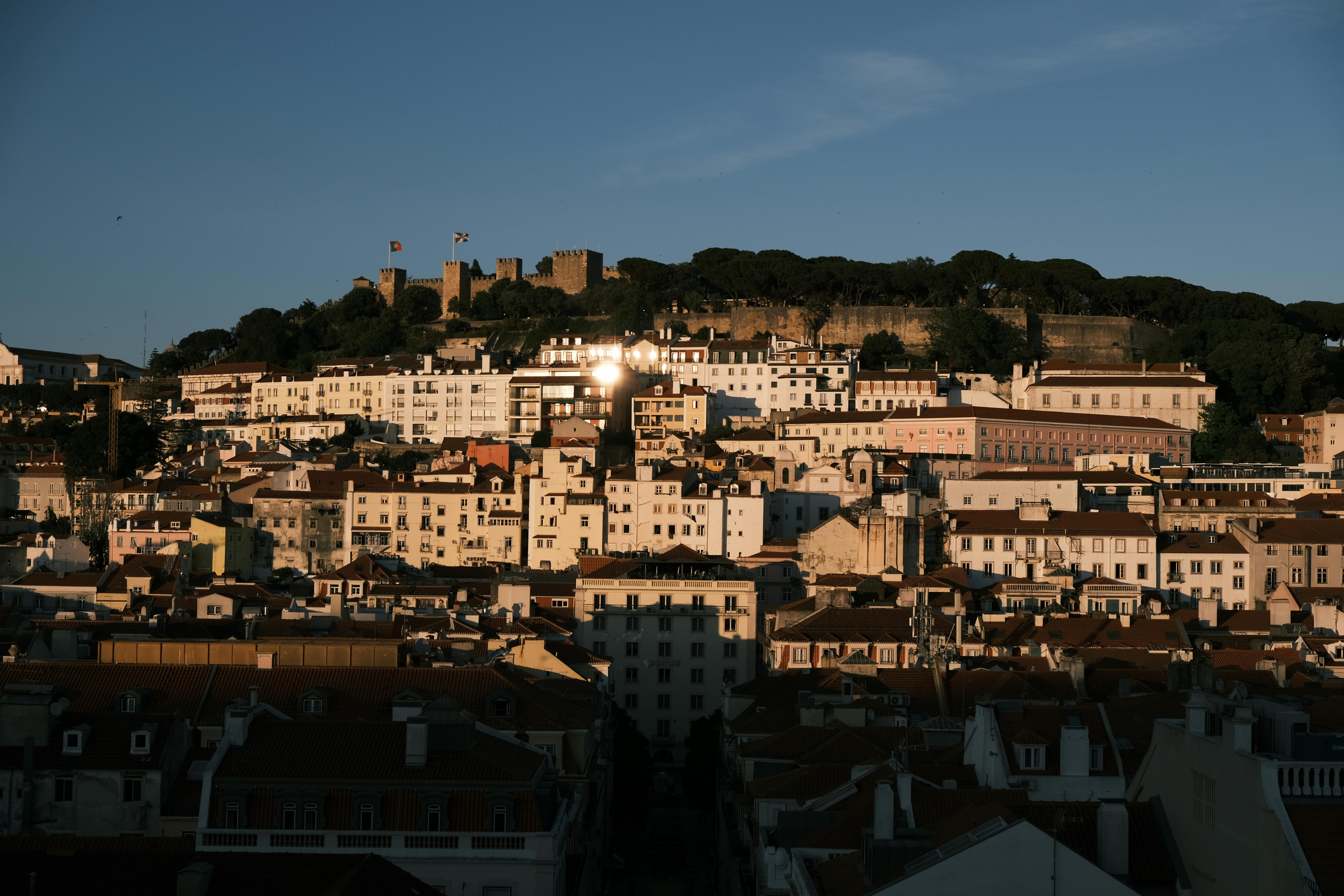
The castle’s walls are built from robust stone and feature defensive battlements, towers, and gates that tell stories of medieval warfare. Inside, visitors can wander through courtyards, explore the remains of royal chambers, and admire the well-preserved ramparts. The castle grounds are dotted with gardens, offering peaceful spots to relax while soaking in spectacular views of Lisbon’s historic neighborhoods and the river. The site also hosts cultural events and exhibitions, enriching the visitor experience.
For practical planning, tickets can be purchased on-site or online, with discounts for children and seniors. The best time to visit is early morning or late afternoon, when the light enhances the cityscape vistas. Guided tours are highly recommended for history enthusiasts, as they provide detailed insights into the castle’s strategic importance and architectural evolution. Accessibility is good, with pathways leading to most areas, though some steep sections may require additional care. A visit to Sao Jorge Castle combines history, scenic beauty, and a sense of stepping back in time, making it an essential highlight for those exploring Lisbon’s rich heritage in 2026.
Lisbon Oceanarium
The Lisbon Oceanarium, located within the Parque das Nações area, stands as one of Europe’s largest indoor aquariums and a must-visit destination for travelers seeking an immersive marine experience. Situated in the eastern part of the city, near the Tagus River, this modern marvel offers visitors a captivating journey through diverse aquatic ecosystems. The Oceanarium is renowned for its innovative design, extensive collection of marine species, and educational exhibits that appeal to visitors of all ages.

As you step inside, you’ll be greeted by a massive central tank that simulates an open ocean environment, measuring approximately 5 million liters of water. Surrounding this core are four distinct habitats representing different parts of the world: the Atlantic coast, the Antarctic, the Indian Ocean, and the Pacific. Each zone showcases species native to those regions, including colorful tropical fish, graceful rays, sharks, and even penguins. The Oceanarium’s design allows visitors to walk through transparent tunnels and viewing panels, providing an up-close experience with marine life that feels truly immersive.
One of the highlights is the large tank dedicated to sharks and rays, where visitors can observe these majestic creatures gliding effortlessly. The Oceanarium also features interactive exhibits, educational programs, and touch pools suitable for children and adults alike. Its commitment to conservation and awareness makes it more than just an attraction; it’s an educational hub promoting marine sustainability.
Practical information for visitors includes opening hours from morning until evening, with guided tours and feeding demonstrations scheduled throughout the day. The site is accessible by public transportation, with ample parking nearby. Whether you’re a marine enthusiast or a family looking for an engaging day out, the Lisbon Oceanarium provides an unforgettable experience that highlights the beauty and fragility of ocean ecosystems. Visiting this attraction in 2026 guarantees an inspiring encounter with the wonders beneath the waves, making it a highlight of any Lisbon itinerary.
Rossio Square
Located in the heart of Lisbon, Rossio Square, officially known as Praça Dom Pedro IV, is a vibrant historic hub that embodies the city’s lively spirit and rich history. This central square has been a focal point of social and political life since the Middle Ages, serving as a gathering place for locals and visitors alike. Its strategic location makes it an excellent starting point for exploring Lisbon’s main attractions, shopping districts, and cultural sites.

The square’s most striking feature is its distinctive wave-patterned cobblestone paving, which adds a dynamic visual element to the space. Surrounded by elegant 19th-century buildings, cafes, and shops, Rossio exudes a charming blend of historic architecture and modern vibrancy. The iconic Rossio Railway Station, with its ornate facade, connects visitors to other parts of Portugal and is worth a quick visit for its stunning design.
At the center of the square stands the statue of King Pedro IV, a symbol of Portuguese independence and monarchy. Nearby, you’ll find the neoclassical Church of São Domingos, which has survived fires and earthquakes, adding to the area’s historical depth. The square is lively throughout the day, with street performers, outdoor cafes, and bustling markets creating an energetic atmosphere.
Rossio Square is also a gateway to exploring nearby neighborhoods like Baixa and Chiado, making it an ideal spot to soak in Lisbon’s urban pulse. Visitors should consider visiting early in the morning or late in the afternoon to enjoy a more relaxed experience. Whether you’re interested in history, architecture, or simply people-watching, Rossio Square offers a quintessential Lisbon experience filled with charm and character, making it a must-visit destination in 2026.
Alfama District
The Alfama District is the oldest and most soulful neighborhood of Lisbon, offering a captivating glimpse into the city’s Moorish past and traditional culture. Nestled on a hillside overlooking the Tagus River, Alfama is characterized by its narrow winding streets, historic buildings, and authentic atmosphere. Wandering through this labyrinth of alleys feels like stepping back in time, making it an essential stop for travelers seeking a deep cultural connection.

The district is home to iconic landmarks such as the Lisbon Cathedral, the oldest church in the city, and the Moorish Castle, which offers panoramic views over Lisbon. As you stroll through Alfama, you’ll encounter vibrant local life, with traditional Fado houses, quaint shops, and lively taverns that serve authentic Portuguese cuisine. The district’s steep slopes and cobblestone streets create a charming, if sometimes challenging, exploration experience that rewards visitors with stunning vistas and hidden courtyards.
Alfama is also famous for its Fado music venues, where soulful performances evoke the district’s historical melancholies and passions. Visiting these intimate venues provides an authentic cultural experience that captures the heart of Lisbon’s musical heritage. The neighborhood’s vibrant festivals, especially during saints’ days, showcase local traditions and community spirit, making every visit unique.
Practical tips include wearing comfortable shoes due to the uneven terrain and exploring early in the day to avoid crowds. The district’s central location makes it easy to access from other parts of Lisbon, and guided walking tours can enhance your understanding of Alfama’s rich history. In 2026, the enduring charm of Alfama continues to make it a must-visit destination for those eager to experience Lisbon’s authentic soul and timeless beauty.
Praca do Comercio
Praca do Comercio, also known as Commerce Square, stands as one of Lisbon’s most iconic and historically significant landmarks. Situated along the Tagus River, this expansive square served as the heart of Portugal’s maritime empire during the Age of Discoveries. Its strategic location in the Baixa district makes it a vibrant hub for both locals and tourists alike. The square is framed by grand neoclassical buildings, which once housed the royal customs house, and now host shops, cafes, and government offices. The central feature of the square is the impressive equestrian statue of King José I, symbolizing Portugal’s golden age of exploration. Visitors are drawn here not only for its historical importance but also for the lively atmosphere, stunning architecture, and panoramic river views.

Walking through Praca do Comercio offers an immersive experience into Lisbon’s rich past. The square’s expansive open space is perfect for leisurely strolls, especially during the golden hours of sunrise or sunset when the light accentuates the grandeur of the surrounding buildings. The surrounding arcades provide shaded areas ideal for relaxing at a cafe while watching street performers and local vendors. The square also functions as a starting point for exploring nearby attractions such as the historic Alfama district or the bustling Rua Augusta shopping street. Practical tips for visitors include arriving early to avoid crowds, especially in peak tourist season, and taking advantage of guided tours that delve into Lisbon’s maritime history. Accessibility is excellent, with nearby public transportation options, including tram stops and metro stations, making it easy to incorporate into any sightseeing itinerary.
Santa Justa Lift
The Santa Justa Lift, or Elevador de Santa Justa, is an engineering marvel and one of Lisbon’s most distinctive landmarks. Located in the heart of the city, it connects the lower Baixa district with the higher Carmo Square, offering stunning views of Lisbon’s rooftops and historic streets. Built in the early 20th century by Raoul Mesnier du Ponsard, a disciple of Gustave Eiffel, this iron elevator combines functionality with exquisite architectural detail. Its neo-Gothic design features intricate ironwork and arched windows, making it a visual delight for architecture enthusiasts. The lift is not only a practical transportation link but also a popular tourist attraction, offering panoramic vistas from its observation deck. Visitors can ascend quickly to enjoy breathtaking views of the city’s terracotta rooftops, the Tagus River, and the nearby São Jorge Castle. The lift operates daily, with tickets available at the entrance or through combined city passes. It’s highly recommended to visit during late morning or late afternoon to avoid crowds and capture the best photographs of Lisbon’s skyline.
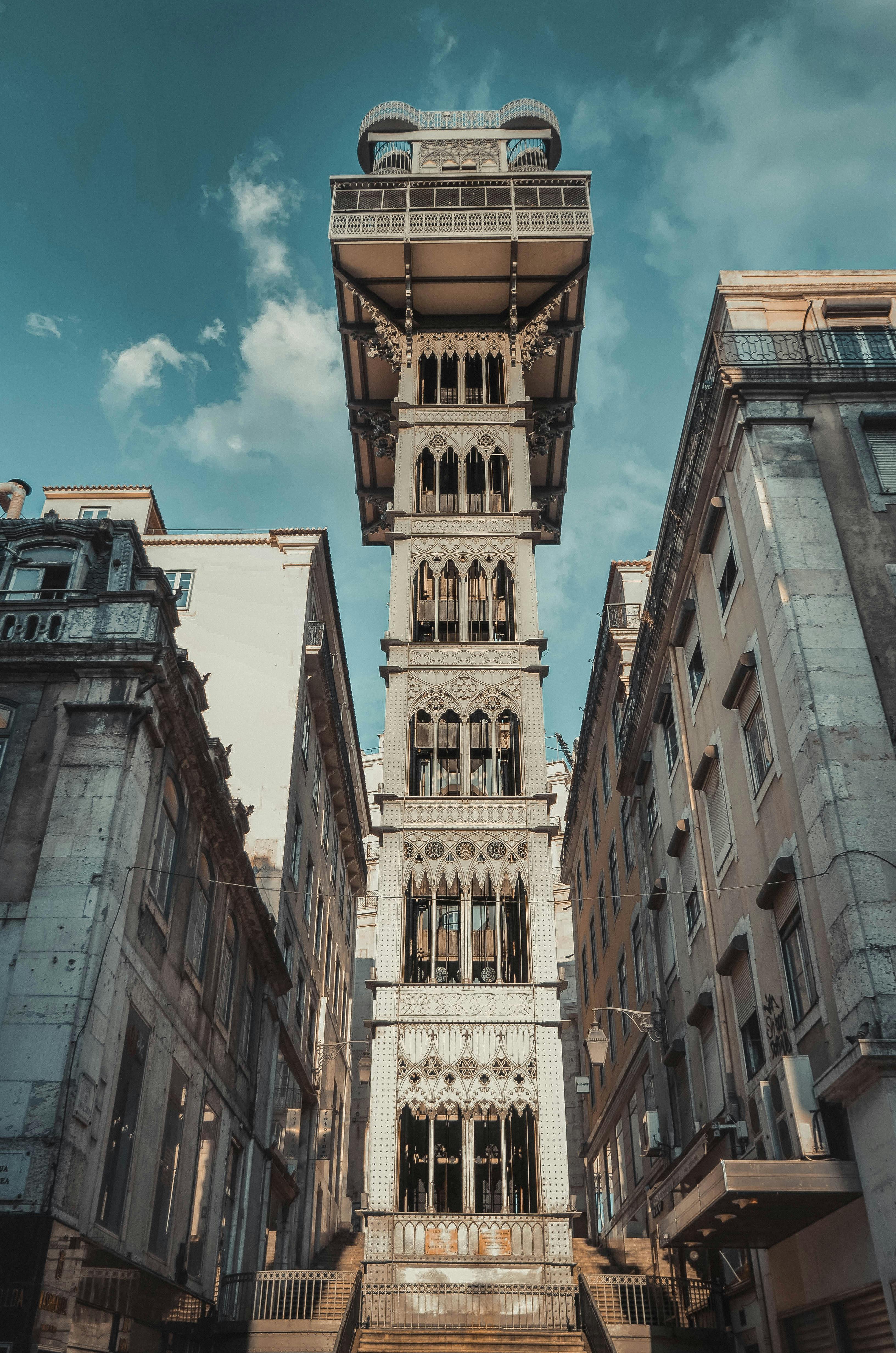
The Santa Justa Lift’s location makes it a convenient stop during a day of exploring Lisbon’s historic center. Once at the top, visitors can enjoy a short walk to Carmo Convent ruins or the vibrant Chiado neighborhood, known for its cafes, boutiques, and cultural venues. The lift also features a small café at the top, perfect for relaxing with a coffee while taking in the spectacular city views. For those interested in architecture and engineering, the lift offers insights into early 20th-century design and the innovative use of wrought iron. Practical advice includes purchasing tickets in advance during peak seasons to avoid long lines, and wearing comfortable shoes for the walk around the surrounding areas. Visiting the Santa Justa Lift provides both a functional transit experience and a unique perspective on Lisbon’s urban beauty, making it an essential stop for travelers seeking an authentic and panoramic glimpse of the city.
National Tile Museum
The National Tile Museum, or Museu Nacional do Azulejo, is a captivating destination that showcases Portugal’s rich tradition of decorative ceramic tile art. Located in the historic Madre de Deus Convent, the museum offers a comprehensive journey through centuries of azulejo craftsmanship, from the Moorish influence to modern interpretations. The museum’s extensive collection features intricate tiles, murals, and panels that illustrate the evolution of Portuguese tile design, reflecting cultural, religious, and historical themes. Visitors can explore various exhibitions that highlight the techniques, symbolism, and artistry involved in creating these beautiful ceramics. The museum also provides insight into how azulejos have been used to adorn churches, palaces, and ordinary homes across Portugal, transforming everyday spaces into works of art. The atmospheric cloisters and restored convent buildings enhance the experience, immersing visitors in the historical context of the craft.

For those interested in art, history, or design, the National Tile Museum offers an enriching experience that connects Portugal’s past with its artistic heritage. The museum also hosts workshops, temporary exhibitions, and guided tours that deepen visitors’ understanding of azulejo techniques and symbolism. Located in the Alcântara district, it is easily accessible via public transportation, making it a convenient addition to your Lisbon itinerary. Practical tips include allocating at least two hours to explore thoroughly and checking the museum’s schedule for special events or temporary exhibitions. Photography is encouraged, especially of the vibrant and detailed tiles that decorate the walls and floors. Visiting the National Tile Museum provides a unique opportunity to appreciate the craftsmanship behind Portugal’s iconic decorative art, making it a must-visit for art lovers and cultural explorers alike, especially in 2026, when renewed interest in traditional crafts is expected to grow.
Lisbon Cathedral
Introduction and Location
The Lisbon Cathedral, also known as the Sé de Lisboa, stands as the oldest and most iconic religious monument in Portugal’s vibrant capital. Nestled in the historic Alfama district, this majestic structure is easily accessible from numerous nearby attractions, making it a must-visit for travelers eager to immerse themselves in Lisbon’s rich history. Its strategic location offers visitors the chance to explore narrow, winding streets filled with traditional Fado houses, quaint shops, and local cafes, all within walking distance.
Main Features and Architectural Significance
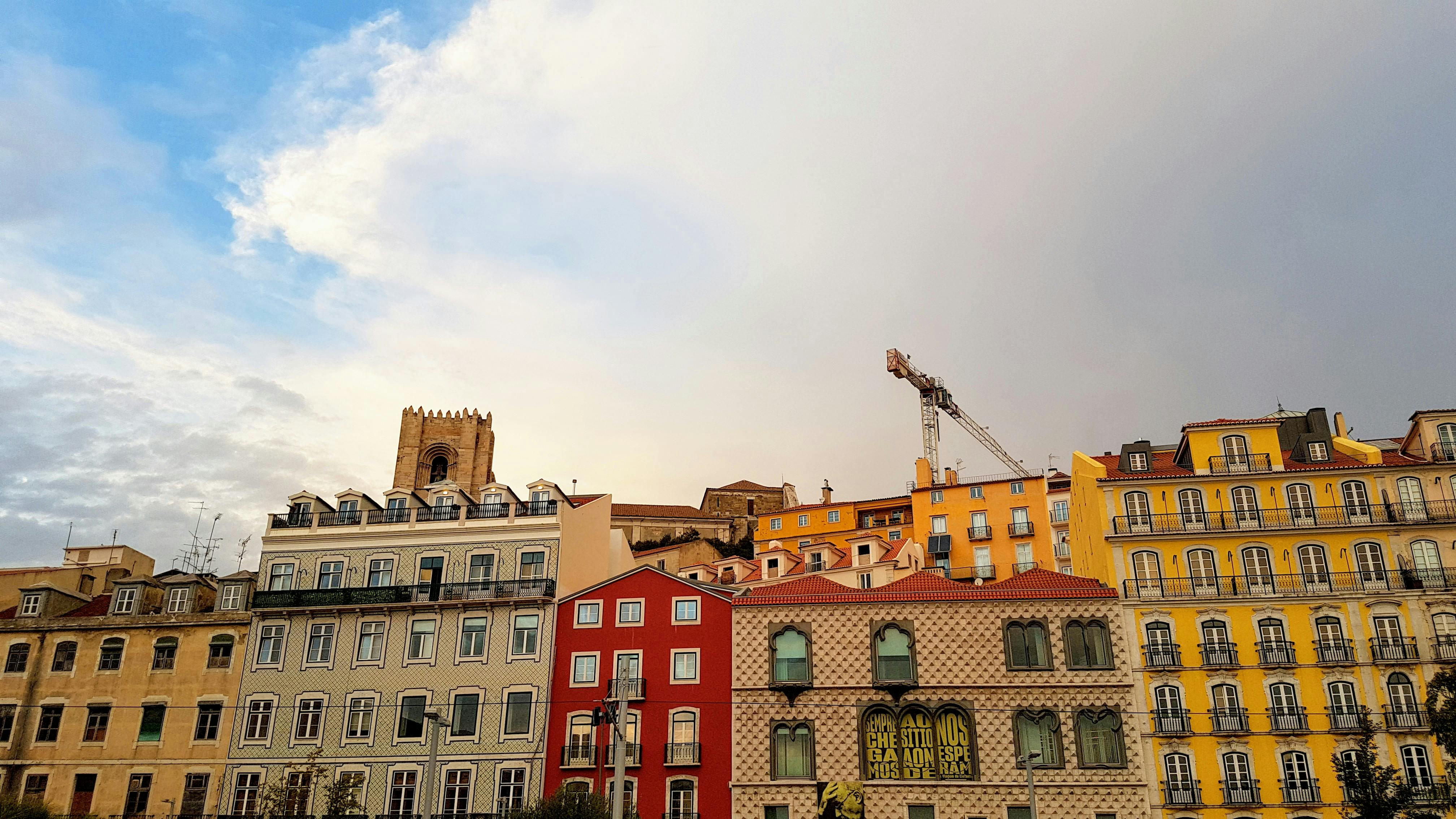
The cathedral’s architecture is a captivating blend of Romanesque, Gothic, Manueline, and Baroque styles, reflecting its centuries-long history of reconstruction and renovation. The original structure was built in 1147, shortly after the Christian reconquest, making it a symbol of Lisbon’s resilience. Over the centuries, it has endured earthquakes, wars, and renovations, each leaving its mark. The most striking feature is its imposing Romanesque façade, characterized by massive stone walls and rounded arches. Inside, visitors are greeted with a serene nave, intricate vaulted ceilings, and stunning stained-glass windows that cast colorful light across the interior.
Why It’s Worth Visiting
The Lisbon Cathedral offers more than just its architectural grandeur; it provides a tangible connection to the city’s past. Visitors can explore the ancient crypts, which house relics and tombs of notable figures from Lisbon’s history. The cathedral’s rooftop terrace offers panoramic views of the Alfama district and the Tagus River, making it an ideal spot for photography enthusiasts. Moreover, attending a service or concert can deepen your appreciation for the cathedral’s spiritual and cultural significance. Its historical resilience and stunning artistry make it an essential stop for anyone seeking to understand Lisbon’s layered history.
Practical Information for Visitors
- Location: Largo da Sé, Alfama, Lisbon
- Opening Hours: Daily from 9:00 AM to 6:00 PM, with occasional evening services
- Entry Fee: Free for general visitors; guided tours available for a small fee
- Accessibility: The site has limited accessibility due to its age and uneven cobblestone streets, though assistance can be arranged
- Tips: Visit early in the morning or late afternoon to avoid crowds. Don’t miss the rooftop terrace for breathtaking city views.
Whether you’re a history enthusiast, architecture lover, or simply seeking a meaningful cultural experience, the Lisbon Cathedral stands out as a must-visit destination in 2026. Its enduring presence and captivating beauty make it a symbol of Lisbon’s resilience and spiritual heart.
Essential Travel Products for Visiting Lisbon
1. Portable Power Bank – Anker PowerCore 10000
When exploring Lisbon’s vibrant streets, historic sites, and scenic viewpoints, staying connected is crucial. The Anker PowerCore 10000 is a compact, lightweight portable charger that ensures your devices remain powered throughout your adventures. With a capacity of 10,000mAh, it can charge most smartphones up to three times, making it ideal for long days of sightseeing.
This power bank features fast-charging technology, which means less time plugged in and more time exploring. Its small form factor easily fits into pockets or bags, so you can carry it effortlessly while wandering through Alfama or along the Tagus River. Additionally, its high-speed charging capability ensures your phone is ready to capture Lisbon’s stunning architecture and panoramic views at any moment.
Buy the Anker PowerCore 10000 from major online retailers like Amazon or electronics stores such as Best Buy. Its durability and efficiency make it a must-have for travelers wanting to avoid the frustration of dead batteries while navigating the city.
2. Lightweight Travel Umbrella – Davek Solo Compact Umbrella
Lisbon’s weather can be unpredictable, with sudden showers often catching visitors off guard. The Davek Solo Compact Umbrella is an excellent choice for travelers seeking both durability and portability. Crafted with a sturdy, wind-resistant frame and a water-repellent canopy, this umbrella can withstand Lisbon’s gusty coastal breezes and light rain showers.
Its compact design allows it to fold into a small case, fitting easily into backpacks or handbags. Whether you’re exploring the historic neighborhoods or enjoying a sunset at Miradouro de Santa Catarina, this umbrella provides reliable protection without adding bulk to your daypack.
Available through online retailers and specialty travel stores, the Davek Solo is a worthwhile investment for travelers who want to stay dry without sacrificing convenience or style. Its robust construction ensures it will last through many trips, making it an essential accessory for your Lisbon adventure.
View hand-picked travel essentials on Amazon
Guidebooks for Exploring Lisbon: Your Ultimate Destination Guides
1. “Lisbon: The Essential Guide” (Kindle Unlimited & Audible)
This comprehensive guide offers detailed insights into Lisbon’s most iconic sights, hidden gems, and local experiences. It covers neighborhoods like Alfama, Bairro Alto, and Baixa, providing historical context and practical tips for navigating each area. The book emphasizes must-visit destinations such as Belém Tower, Jerónimos Monastery, and the vibrant Mercado da Ribeira.
What sets this guide apart is its curated recommendations for authentic dining, off-the-beaten-path attractions, and cultural events. It also includes practical advice on transportation, safety, and local customs, making it perfect for first-time visitors or seasoned travelers seeking to deepen their experience.
Available on Kindle Unlimited and Audible, this guide allows you to explore Lisbon at your own pace—whether through reading or listening during commutes or relaxed evenings. Its engaging narrative helps travelers immerse themselves in the city’s rich history and lively atmosphere.
2. “Lonely Planet Lisbon” (Kindle Unlimited & Audible)
As a trusted name in travel publishing, Lonely Planet’s Lisbon guide offers a balanced mix of practical tips and inspiring itineraries. It features detailed maps, suggested day trips, and neighborhood guides that help travelers maximize their time in the city. The book highlights Lisbon’s top attractions, from the historic Tram 28 route to the panoramic viewpoints known as miradouros.
This guide is especially useful for travelers interested in local culture, cuisine, and nightlife. It provides recommendations for authentic Fado music venues, traditional pastel de nata bakeries, and lively bars in Bairro Alto. The detailed itineraries cater to different interests, whether you’re a history buff, foodie, or outdoor enthusiast.
Accessible via Kindle Unlimited and Audible, this guide ensures you have a portable, reliable resource whether exploring on foot or using public transportation. Its practical insights help visitors enjoy Lisbon’s vibrant atmosphere while avoiding tourist traps.
3. “Frommer’s EasyGuide to Lisbon” (Kindle Unlimited & Audible)
This user-friendly guide offers straightforward advice for travelers seeking a stress-free experience. It emphasizes essential sights, practical travel tips, and local secrets that enhance your visit. The book provides curated walking tours, restaurant suggestions, and tips for avoiding crowds at popular sites.
What makes this guide particularly helpful is its focus on budget-friendly options and insider tips, making it ideal for travelers who want quality experiences without overspending. It also covers transportation options, hotel recommendations, and safety tips tailored specifically for Lisbon’s unique environment.
With availability on Kindle Unlimited and Audible, this guide is perfect for those who prefer to listen on the go or read at their leisure. Its clear, concise format helps travelers plan their days efficiently while discovering Lisbon’s authentic charm.
Whether you prefer detailed narratives, practical itineraries, or cultural insights, these guides ensure you are well-equipped to explore Lisbon’s must-visit destinations of 2026. They transform a simple trip into an immersive journey through Portugal’s captivating capital.
Never get lost or unprepared – try Kindle Unlimited free for access to essential travel resources.
Discover Lisbon: A Must-Visit Destination of 2026
As one of the most vibrant and culturally rich cities in Europe, Lisbon continues to captivate travelers with its unique blend of history, modernity, and warm hospitality. From the charming alleys of Alfama to the panoramic views from Miradouros, Lisbon offers an unforgettable experience for every visitor. The city’s iconic tram 28 provides a nostalgic journey through its historic neighborhoods, while its thriving culinary scene invites you to indulge in authentic Portuguese flavors. Notably, Lisbon’s emerging art districts and innovative architecture make it a top choice for those seeking inspiration and creativity. Whether you’re exploring its historic castles or enjoying lively Fado performances, Lisbon promises a diverse and enriching journey.
Why 2026 Is the Perfect Year to Visit
Looking ahead to 2026, Lisbon is poised to become even more accessible and exciting. Major infrastructure upgrades and cultural festivals are scheduled to enhance the visitor experience. Additionally, sustainable tourism initiatives ensure that your exploration leaves a positive impact on the city. For travelers seeking a destination that combines tradition with innovation, Lisbon stands out as a must-visit spot in 2026. Its warm climate, friendly locals, and stunning landscapes make it an ideal year-round destination.
Plan Your Adventure Today
Now is the perfect time to start planning your trip to Lisbon. Dive deeper into its hidden gems, immerse yourself in local traditions, and explore its vibrant neighborhoods. Whether you prefer leisurely strolls along the river or exploring bustling markets, Lisbon offers endless opportunities for discovery. Don’t wait—make 2026 your year to experience the magic of Lisbon firsthand. Pack your bags, and let this captivating city inspire your next adventure!
Are you entitled to compensation for a delayed flight?
Frequently Asked Questions About Lisbon: Your Ultimate Destination Guide for 2026
1. What are the must-see attractions in Lisbon for 2026?
Lisbon continues to captivate travelers with its blend of historic charm and modern vibrancy. In 2026, some of the must-visit attractions include the iconic Belem Tower, a UNESCO World Heritage site that embodies Portugal’s Age of Discovery. The Alfama District offers winding streets filled with Fado music, traditional restaurants, and stunning viewpoints, known as miradouros. The Jerónimos Monastery is another essential site, showcasing exquisite Manueline architecture. For panoramic city views, head to Miradouro de Santa Catarina. As Lisbon evolves, new art installations and cultural festivals are also enriching its landscape, making it an exciting destination for 2026 travelers.
2. When is the best time to visit Lisbon in 2026?
The ideal time to visit Lisbon is during the spring (March to May) and early fall (September to October). During these months, the weather is warm but not overly hot, averaging around 20-25°C (68-77°F). These periods also tend to be less crowded than the peak summer months, allowing for a more immersive experience. Summer (June to August) is popular due to festivals and lively street scenes but expect larger crowds and higher prices. Winter (November to February) is mild but can be rainy, though it offers a quieter, more authentic experience. Planning your trip during shoulder seasons ensures a balance of pleasant weather and fewer tourists.
3. How can I get around Lisbon efficiently?
Lisbon boasts an extensive and affordable public transportation system, making it easy to navigate. The city’s tram network, especially the historic Tram 28, is a scenic way to explore key neighborhoods. The metro covers major districts and is quick and reliable. Buses and funiculars help access hilly areas like Alfama and Bairro Alto. For convenience, consider purchasing a Viva Viagem card, which offers unlimited travel on buses, trams, and metro for a set period. Taxis and ride-sharing apps like Uber are also widely available for quick, hassle-free trips. Walking remains one of the best ways to discover Lisbon’s hidden corners, especially in central neighborhoods.
4. What are some authentic local experiences I should not miss?
To truly experience Lisbon in 2026, immerse yourself in its rich culture. Attend a live Fado performance in Alfama or Bairro Alto, where soulful music tells stories of love and longing. Savor traditional dishes like bacalhau (salt cod), pastéis de nata (custard tarts), and grilled sardines at local taverns. Explore the Time Out Market, a vibrant food hall featuring top chefs and regional specialties. Additionally, visit local markets such as Feira da Ladra for vintage finds or Mercado de Campo de Ourique for fresh produce. Engaging with artisans and attending cultural festivals will deepen your connection to Lisbon’s authentic charm.
5. Are there any new or emerging destinations in Lisbon for 2026?
Yes, Lisbon’s landscape is continually evolving, with several emerging neighborhoods gaining popularity. Marvila, once an industrial zone, now hosts innovative galleries, craft breweries, and trendy cafes. Beato is another area transforming into a hub for creative startups and street art. Additionally, the LX Factory complex offers a mix of shops, galleries, and eateries in a converted industrial space, perfect for exploring Lisbon’s contemporary scene. These neighborhoods offer a fresh perspective beyond traditional tourist spots, making them must-visit destinations in 2026 for those seeking modern culture and innovation.
6. What practical tips should I keep in mind when visiting Lisbon?
To make the most of your trip, plan ahead. Book accommodations near central districts like Baixa or Chiado for easy access to main attractions. Always carry a refillable water bottle, as Lisbon’s climate can be warm, especially in summer. Wear comfortable shoes because many streets are cobbled and hilly. Learn a few basic Portuguese phrases; locals appreciate the effort. Keep an eye on local events or festivals, which can enhance your experience. Lastly, respect local customs, especially when enjoying traditional music and cuisine, and support small businesses to contribute positively to the community.
Enjoy Your Journey to Lisbon in 2026!
With its blend of history, culture, and modern innovation, Lisbon remains a top destination for 2026 travelers. Whether exploring ancient neighborhoods or discovering new hotspots, the city offers an unforgettable experience. Prepare to be enchanted by its vibrant streets, warm hospitality, and captivating sights. Lisbon truly deserves a spot on your must-visit list this year and beyond.